💡 Quick Answer: Pick a mobile drum mix plant if you follow projects from site to site. Pick a stationary asphalt mixing plant if you supply one region for years. Both run on the same continuous drum technology. What differs is how you install, move and scale the plant.
Buying a plant is one of the biggest equipment decisions a road contractor makes. Choose well, and you produce consistent hot mix for years at a low cost per ton. Choose badly, and you pay for idle capacity or expensive relocations. The good news is that the continuous drum design behind a modern continuous asphalt plant comes in two proven forms: fixed and mobile. This guide explains how each works, what buyers ask most often, and how to match the layout to your project pipeline, using the SINOTO continuous range (40–120 tph) as a reference.
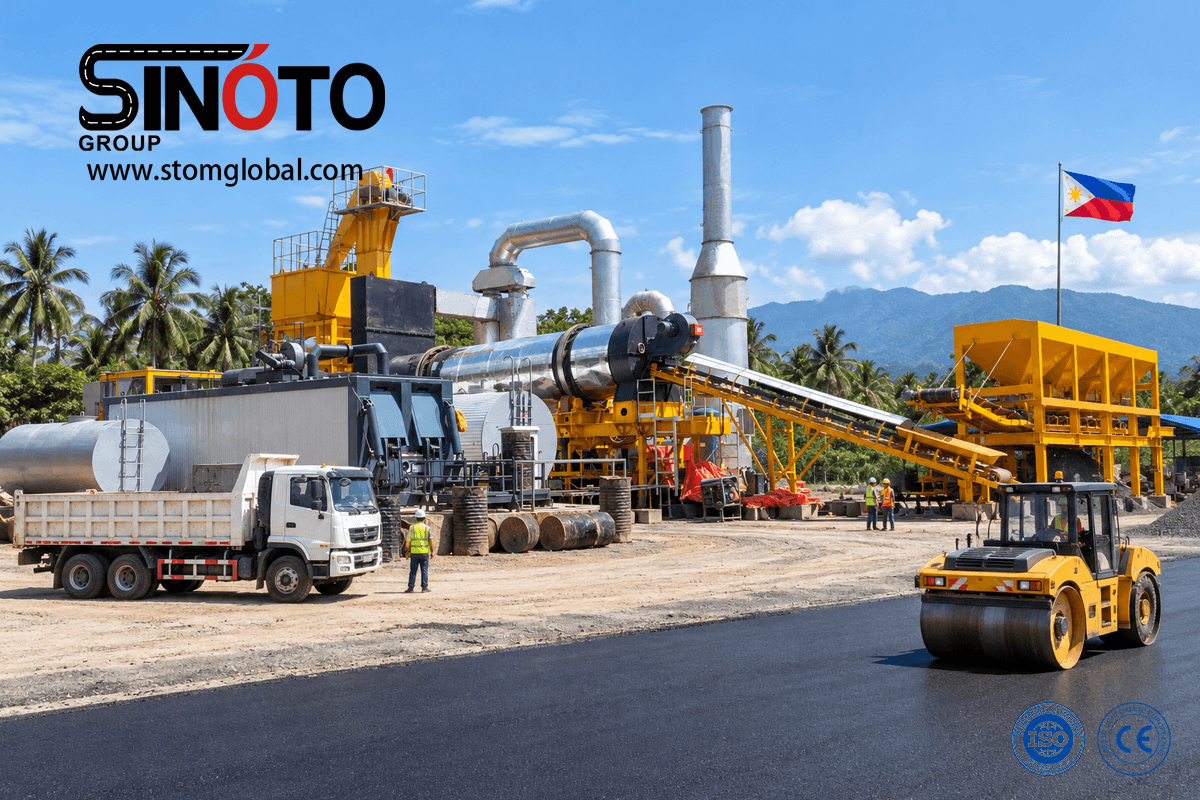
In a drum mix plant, aggregate drying, bitumen spraying and mixing all take place inside a single drying drum. Because there is no separate weighing-and-mixing cycle, production flows without interruption. Compared with traditional batch designs, an asphalt drum mix plant is compact, simple to operate and lower in investment, which is why it is so popular with international buyers.
The main systems are the cold aggregate feeder, drying drum, burner, dust collection, bitumen supply, pneumatic and control systems. Typical applications include municipal roads, low-grade highways, and the base and lower layers of high-grade highways.
| ⚡ Capacity | 🚚 Machine Types | ⛽ Fuel Options | 🔇 Noise Level |
|---|---|---|---|
| 40–120 tph | Stationary & mobile | Diesel, heavy oil, fuel oil, coal, natural gas | ≤ 70 dB |
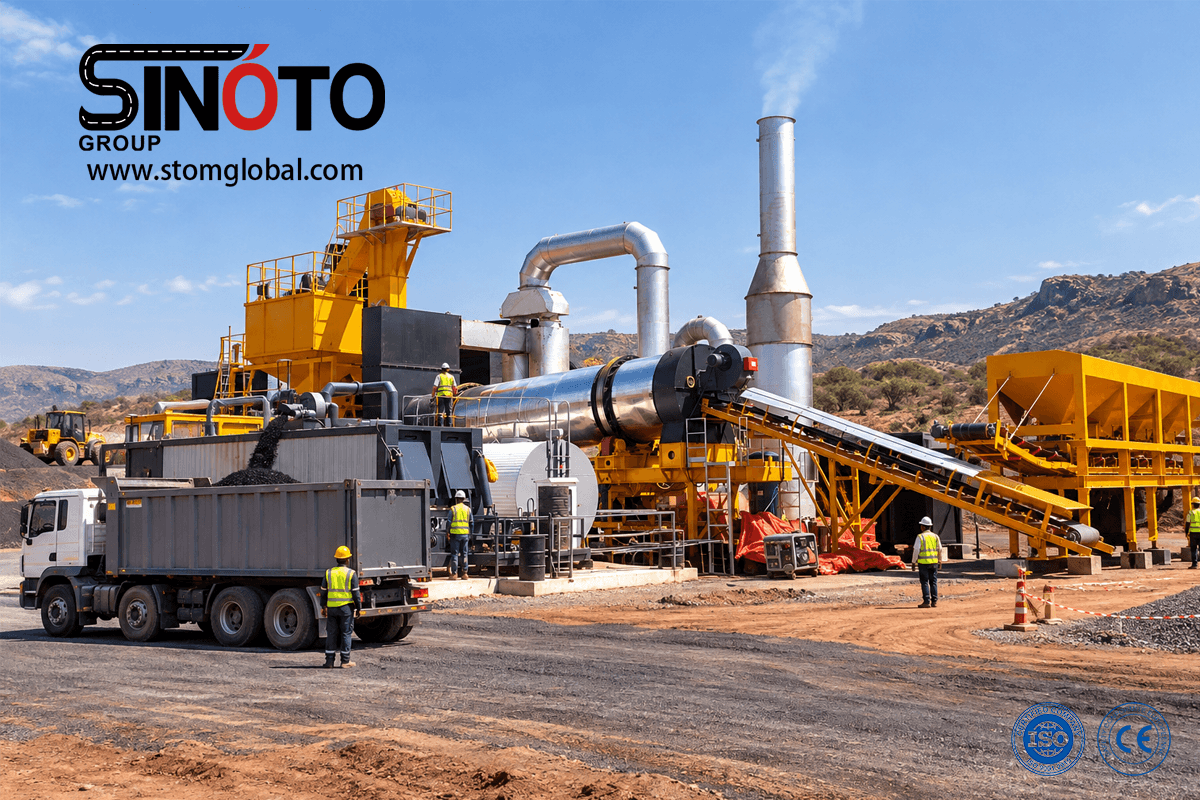
The drying-drum technology is identical in both versions. The chassis is what changes. The mobile version (SINOTO’s MDHB series) adds semi-trailer traveling units with suspension and 10.00-R20 tyres, so the whole plant can be towed to the next job. The stationary version (the DHB series) is installed at a fixed site and built for long-term supply.
| Factor | 🚛 Mobile (MDHB) | 🏭 Stationary (DHB) |
|---|---|---|
| Relocation | Quick installation and transfer on trailer units | Fixed site; moving means dismantling |
| Best for | Multi-site, remote or short-to-medium contracts | Long-term supply to one city or region |
| Site setup | Lighter preparation, faster start-up | Permanent layout and foundation |
| Capacity range | 60–120 tph | 60–120 tph |
| Core technology | Continuous drum mixing | Continuous drum mixing |
Mobile units shine when your contract calendar is unpredictable. A crew can commission the plant near the paving front, cut haul distances for hot mix, and move on when the job ends. Stationary units reward steady demand, because a fixed yard allows larger aggregate stockpiles, permanent storage and a more organized workflow year after year.
Buyers often search for a “mobile drum mix plant” or a “portable drum mix plant.” In practice, both terms describe this same trailer-mounted concept.
📌 Rule of thumb: If you expect to relocate more than once a year, go mobile. If you will produce from one location for several seasons, go stationary and build a permanent layout around it.
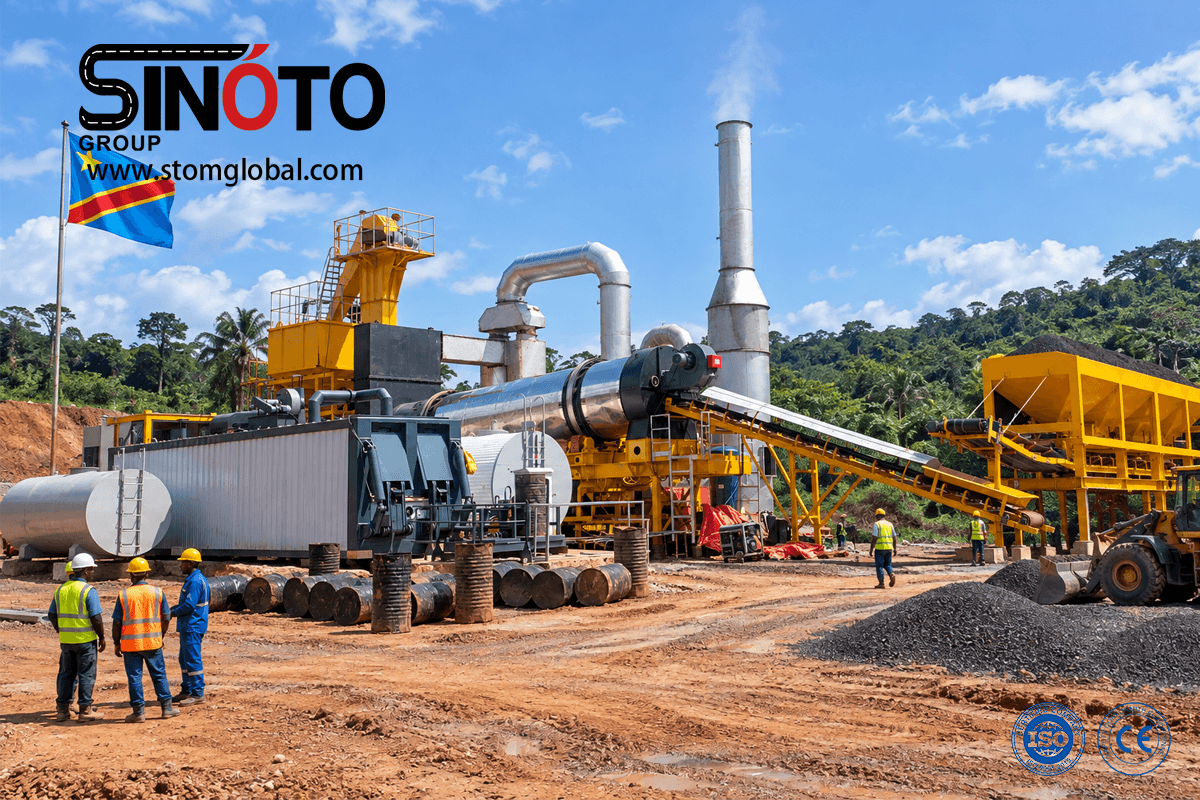
Based on the questions importers ask most, five concerns come up again and again. Each one maps to a strength of the continuous design:
For any asphalt mix plant, also check the control options. Manual operation is standard, while automatic computer control is optional. That choice affects mix consistency and labor needs.
❓ Does it really save fuel? Yes. Optimized burner technology and continuous heat exchange reduce heat loss compared with batching methods. That makes this type of hot mix plant a strong choice for large paving jobs where fuel is a major cost.
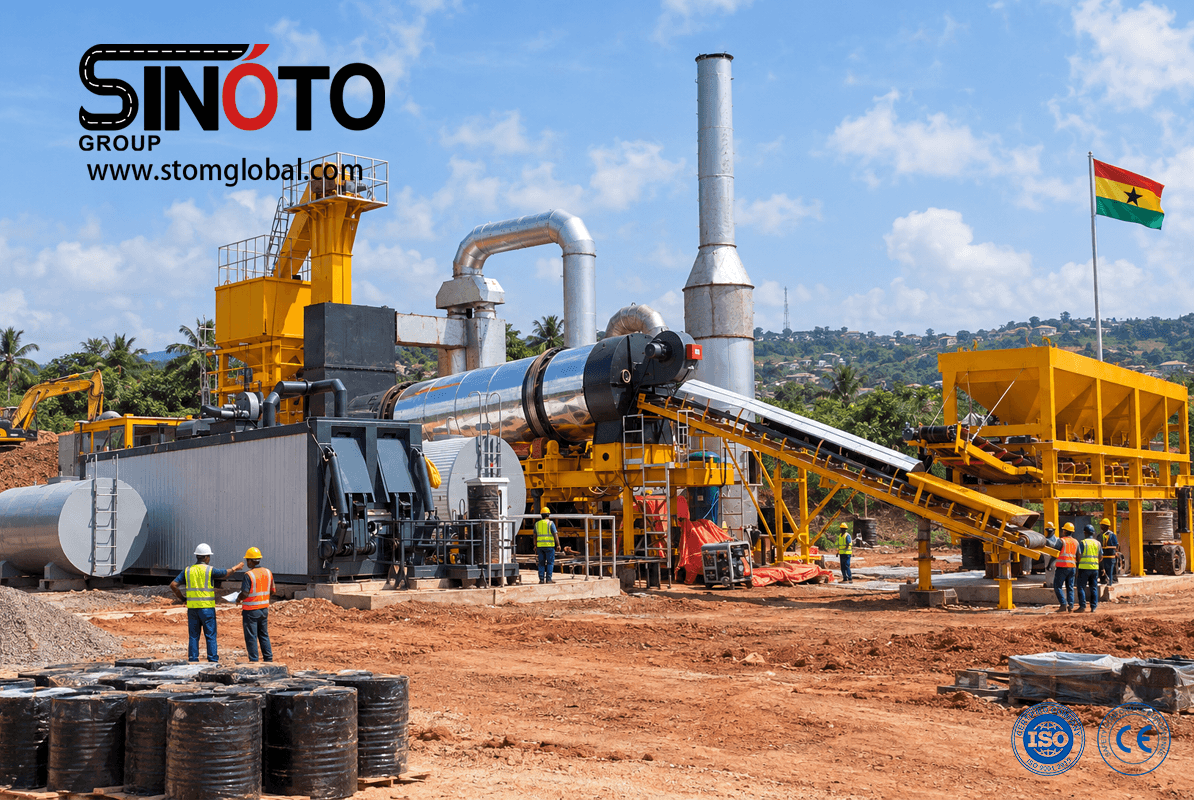
Continuous plants are not the answer to every project. Because aggregates are metered continuously rather than weighed batch by batch, a batch design gives you tighter control over mix proportions. For other high-grade road projects and environmentally sensitive areas, a batch-type plant is the recommended option.
If you are comparing an asphalt batch plant for sale or a batch mix plant for sale, weigh these points:
Keep the trade-off simple. Continuous production gives you speed, a lower purchase price and lower running costs. Batch production gives you finer control of every recipe. Neither is better in every case, and the honest test is the specification in your tender documents.
Many contractors combine both: a continuous unit for bulk base-layer supply and a batch unit for premium surface mixes. Either way, you are buying a hot mix asphalt plant, so match capacity and mix design to the work you actually win.
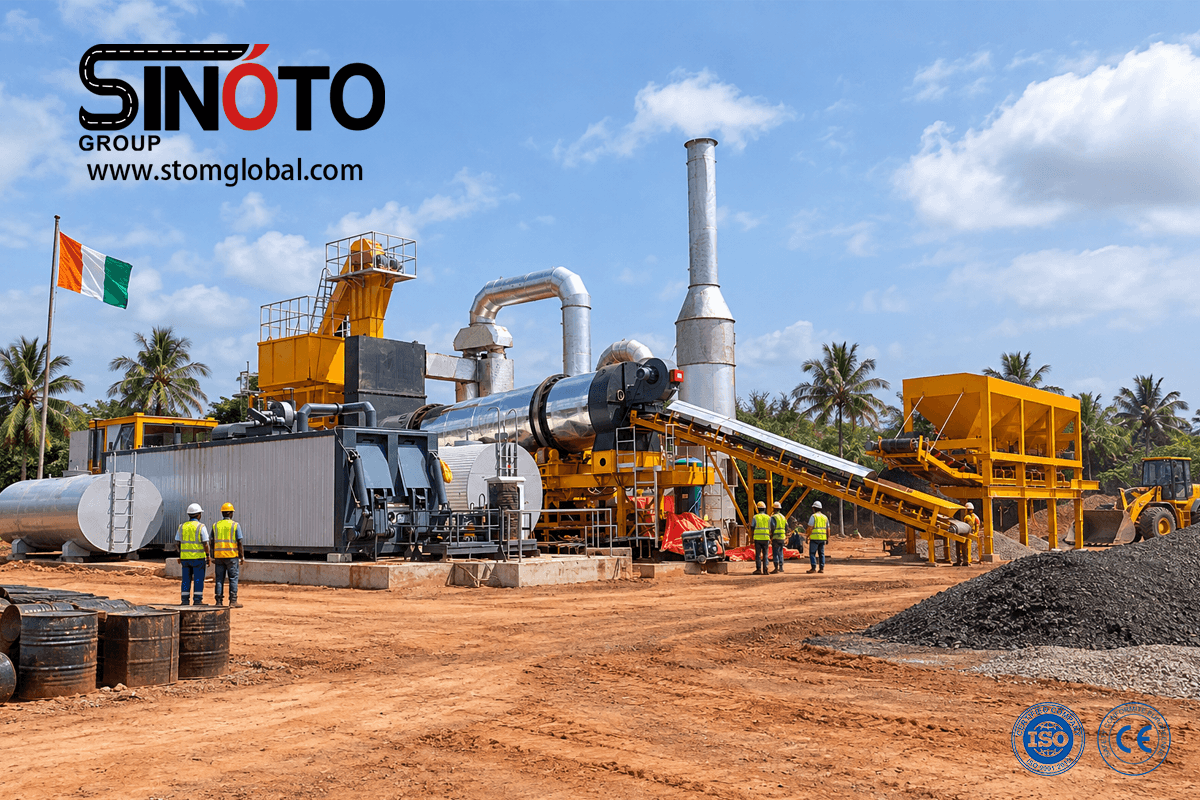
SINOTO’s series covers four capacities. The “M” prefix marks the mobile version of each model.
| Model | Capacity | Total Power | Dryer Drum (mm) | Bitumen Tank | Hot Mix Silo |
|---|---|---|---|---|---|
| DHB60 / MDHB60 | 60 t/h | 100 kW | Φ1500×6500 | 30 m³ | 3.5 m³ |
| DHB80 / MDHB80 | 80 t/h | 142 kW | Φ1500×6650 | 40 m³ | 4.5 m³ |
| DHB100 / MDHB100 | 100 t/h | 160 kW | Φ1600×9000 | 40 m³ | 10 m³ |
| DHB120 / MDHB120 | 120 t/h | 215 kW | Φ1800×9000 | 40 m³ | 10 m³ |
Specifications are for reference only and may change.
Use this four-step checklist to decide:
The right answer is rarely “mobile or stationary” in the abstract. It is whichever layout fits your next three years of work.
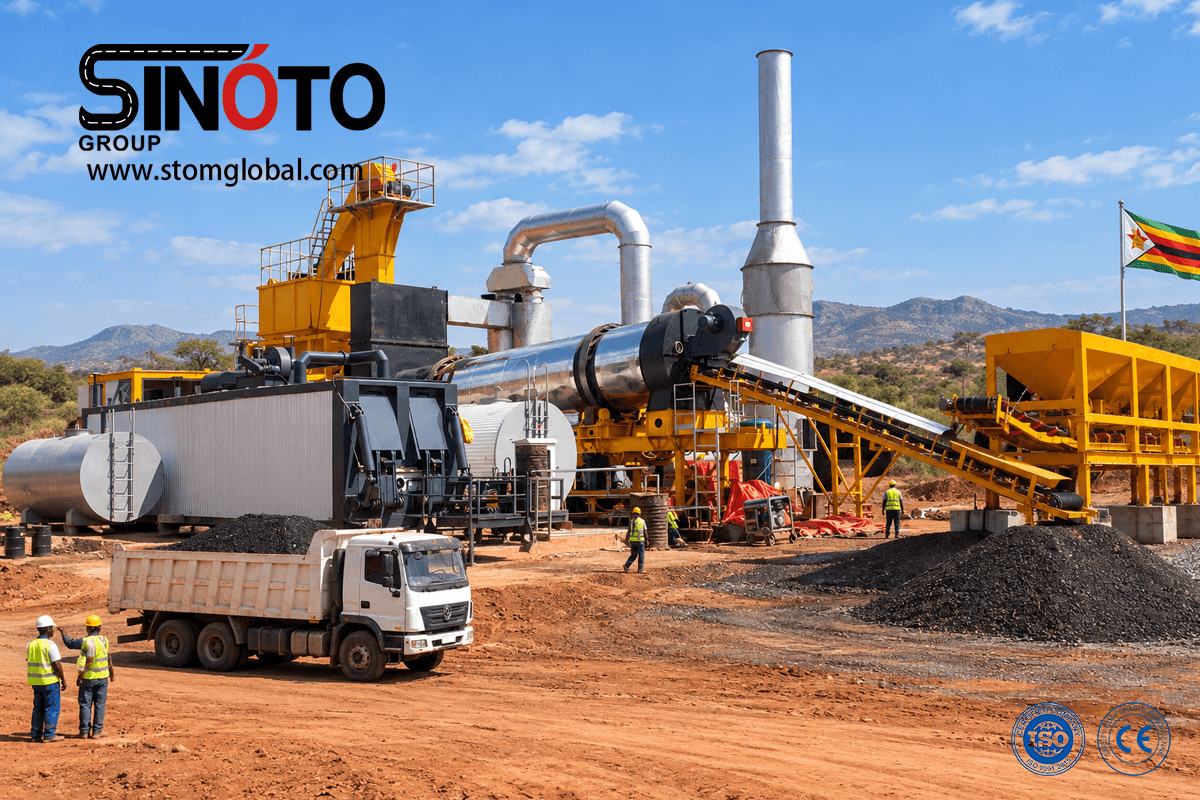
Tell our engineers your project location, target output and fuel type, and we will recommend the right asphalt mixing plant configuration.
👉 Request a Free Quote from SINOTO Today →
📧 info@stomglobal.com | 💬 WhatsApp: +86 190 5958 1045
#AsphaltMixingPlant #DrumMixPlant #HotMixAsphaltPlant #MobileAsphaltPlant #RoadConstruction #SINOTO

Whatsapp ID: 8619059581045

WeChat ID: +8619059581045

