Time is money on every road project. When contractors begin searching for an asphalt batching plant for sale, the first question is rarely about motor power or hopper size. It is about the schedule: how quickly can the equipment be installed, and how easily can it follow the crew to the next site? This guide answers both questions for the SINOTO mobile asphalt batching plant, drawing on the product’s published specifications and typical field practice, so you can plan your project with confidence.
| ⚙️ 80–160 tph | ⏱️ 45 seconds | 🚛 3–4+ units | 🌍 20+ countries |
|---|---|---|---|
| Production capacity | Mixing cycle | Mobile trailer units | Export markets |
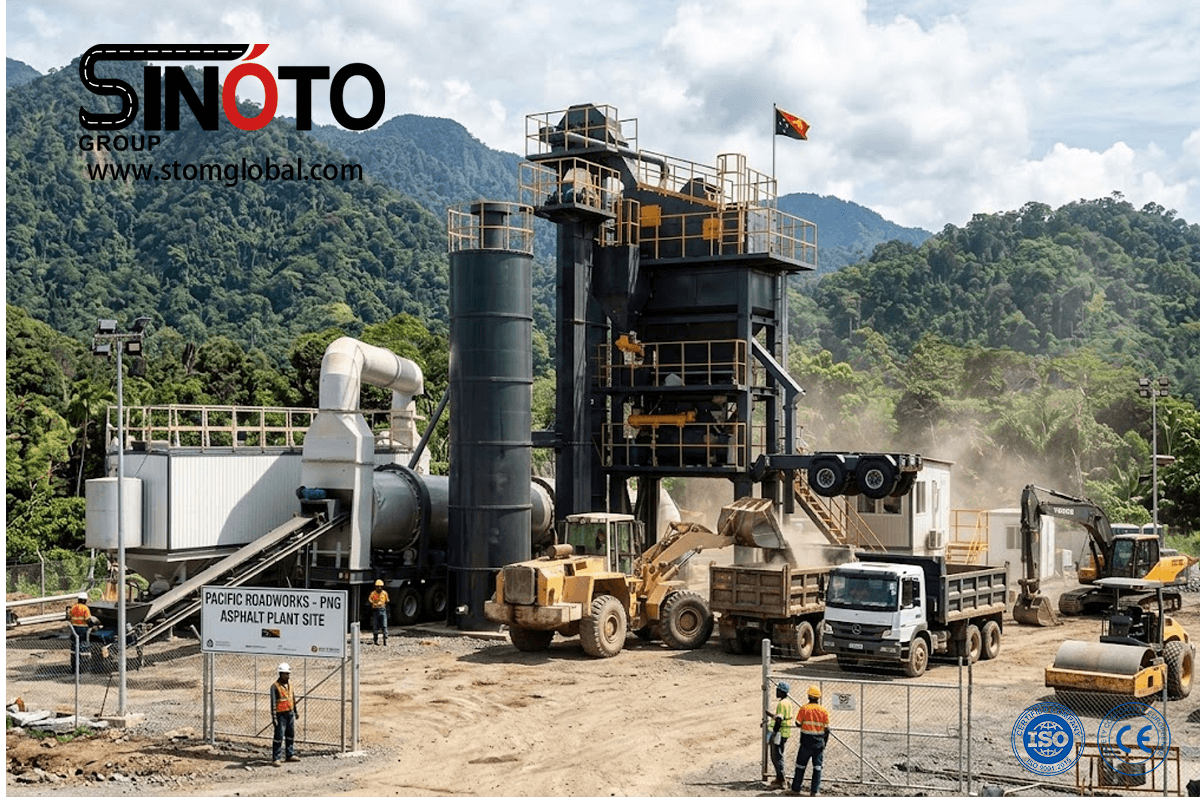
Whether they run a municipal maintenance crew or a regional paving company, buyers researching an asphalt plant for sale usually raise the same concerns:
A mobile design answers most of these directly. The plant integrates the cold aggregate feed system, drying drum, mixing tower, and dust collection system into several trailer units. The concept is to move the “factory” next to the construction site, which removes the long haul that lets hot mix lose temperature and quality. That is why a mobile asphalt mixing plant has become a key asset for small and medium-sized, short-term, and remote road projects.
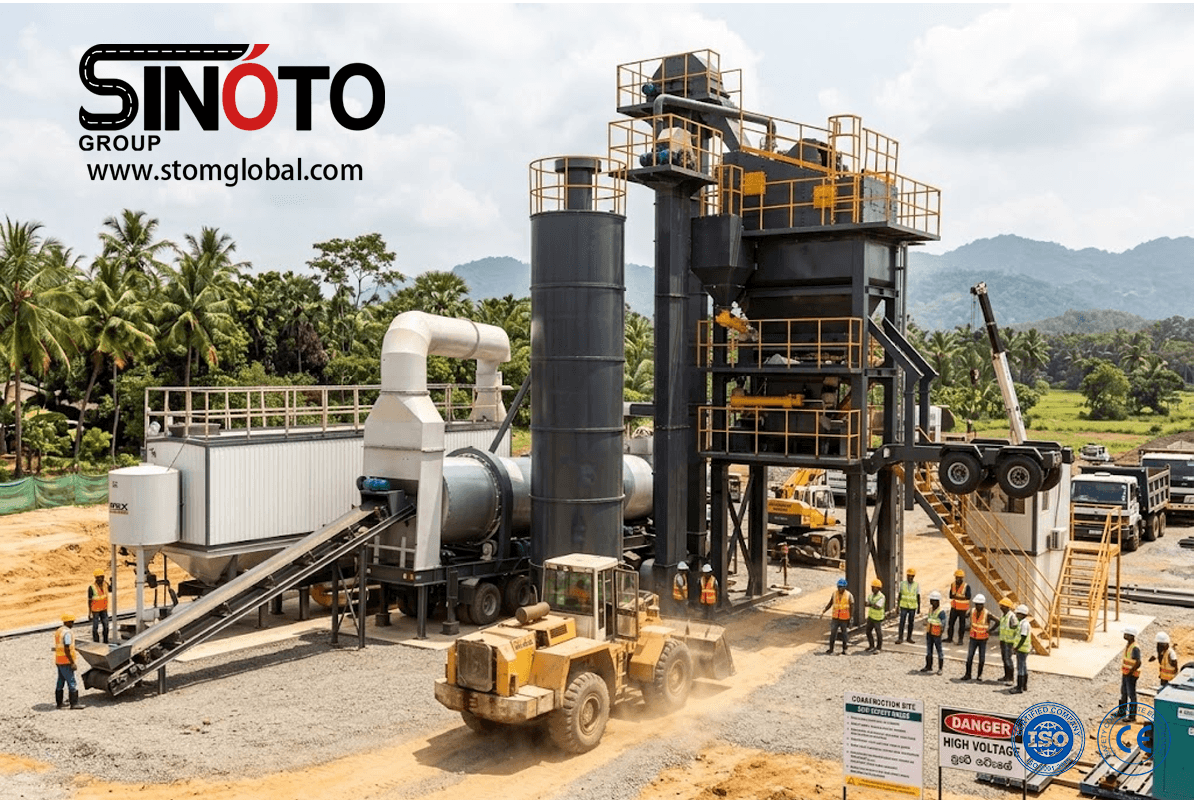
A stationary asphalt plant typically needs months of foundation work and installation. A mobile unit skips most of that. According to the manufacturer, it only needs simple site leveling. The trailers are then hoisted into position, pipelines are connected, and the plant moves straight into commissioning and production.
| Stage | Mobile Plant | Stationary Plant |
|---|---|---|
| Site preparation | 1–2 days (leveling) | Weeks (foundations, curing) |
| Positioning and hoisting | 1–2 days | 1–3 weeks |
| Pipeline, power, and burner connection | 1–3 days | 1–3 weeks |
| Commissioning and trial mix | 1–2 days | 1–2 weeks |
| Total | About 4–9 days | Roughly 2–4 months |
These are planning estimates only. Actual schedules depend on model, crew experience, weather, and local permits.
Four factors influence where your project lands in that range:
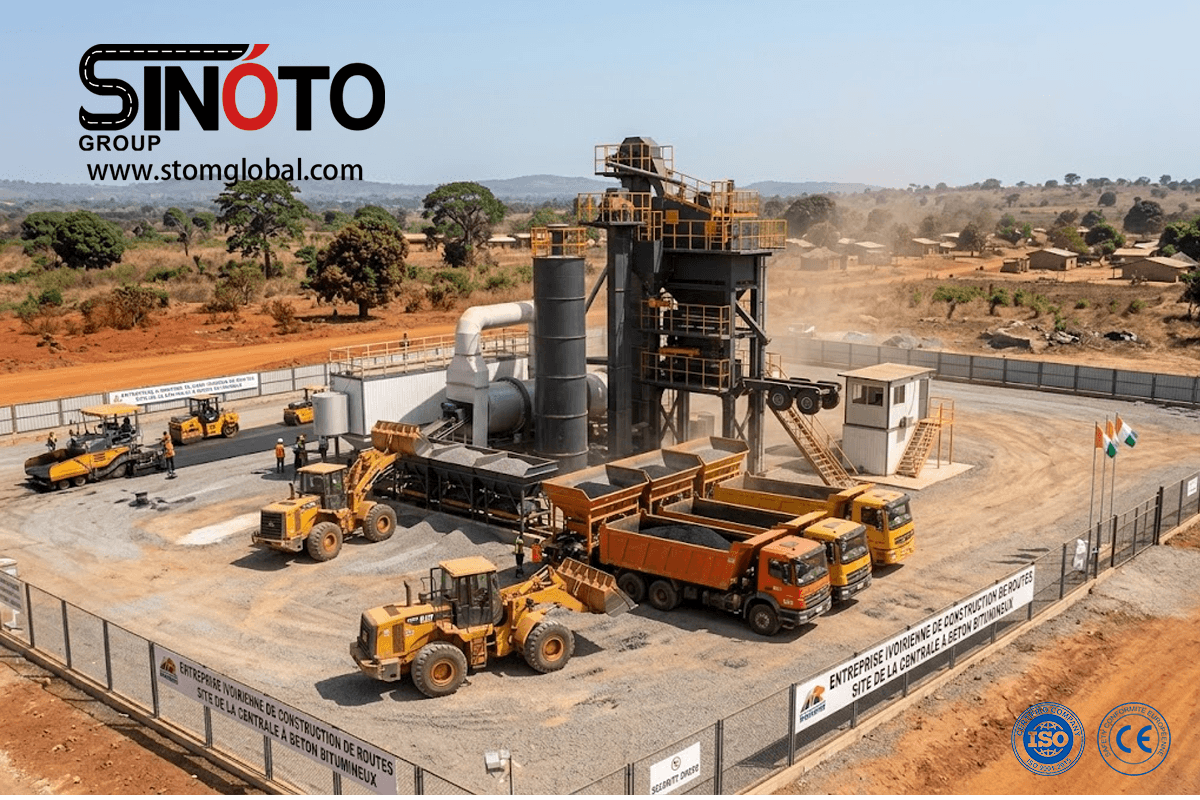
Each unit is fitted with tires or a towing mechanism and is pulled by a tractor unit, in line with road transportation regulations. There is no large-scale dismantling or infrastructure teardown. The semi-trailer units use a 90 mm traction pin and standard wheel specifications, so they fit common heavy-haul tractors.
A typical relocation follows four steps:
Allow roughly 3–6 working days for the disconnect-and-reconnect work, plus transit time. That is a fraction of the time needed to demolish and rebuild a fixed plant.
💡 Pro Tip: Survey the haul route before moving day. Check bridge load limits, overhead clearances, and turning radii. A route problem costs far more time than any technical step.
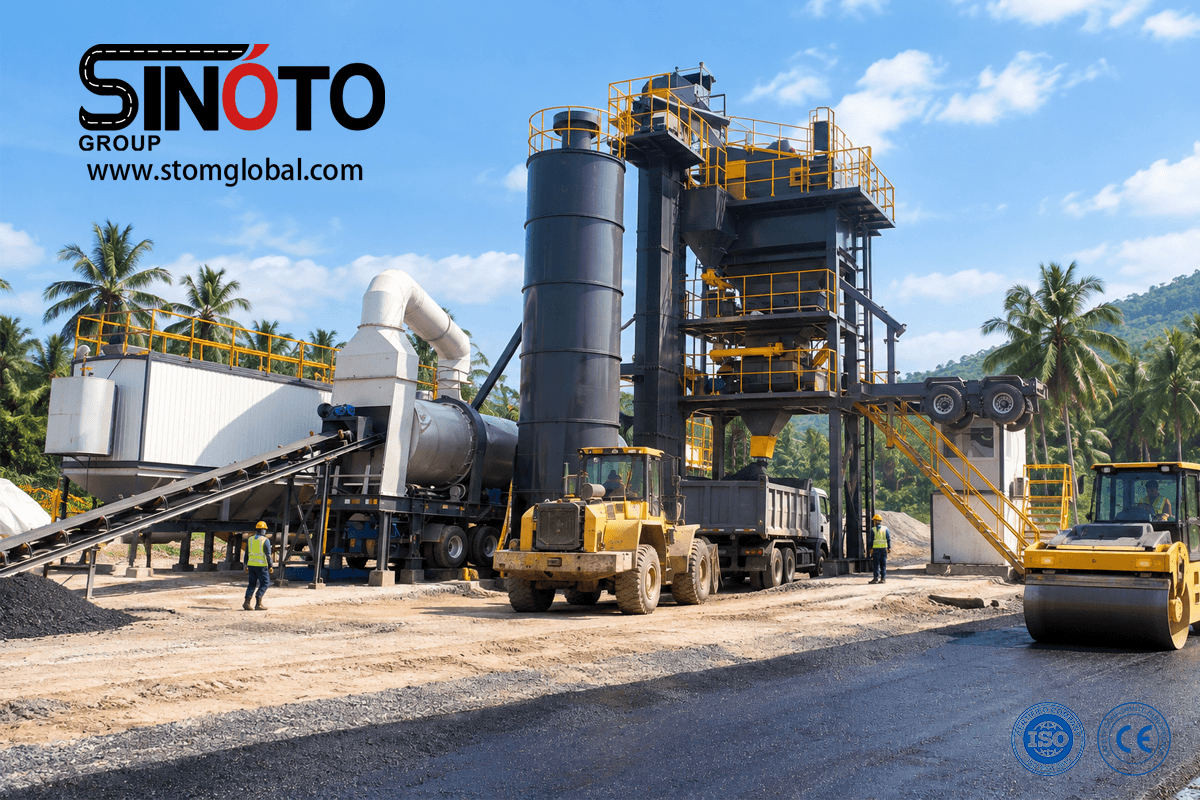
As an experienced asphalt plant manufacturer and global asphalt plant supplier, SINOTO has exported mobile plants to more than 20 countries. Many of them serve mountainous and remote regions where fast relocation saves both investment and cost. Every asphalt mixing plant manufacturer claims reliability, so compare the specifications directly:
| Parameter | YLB1000 | YLB1500 | YLB2000 |
|---|---|---|---|
| Capacity (t/h) | 80 | 120 | 160 |
| Mixer capacity (kg) | 1000 | 1500 | 2000 |
| Total power (kW) | 242 | 326 | 413 |
| Dryer drum (mm) | Φ1600×6800 | Φ1800×8000 | Φ1800×8000 |
| Baghouse filter area (m²) | 380 | 450 | 550 |
| Bitumen tank (m³) | 40 | 2×40 | 2×40 |
Beyond installation speed, these advantages matter in daily production:
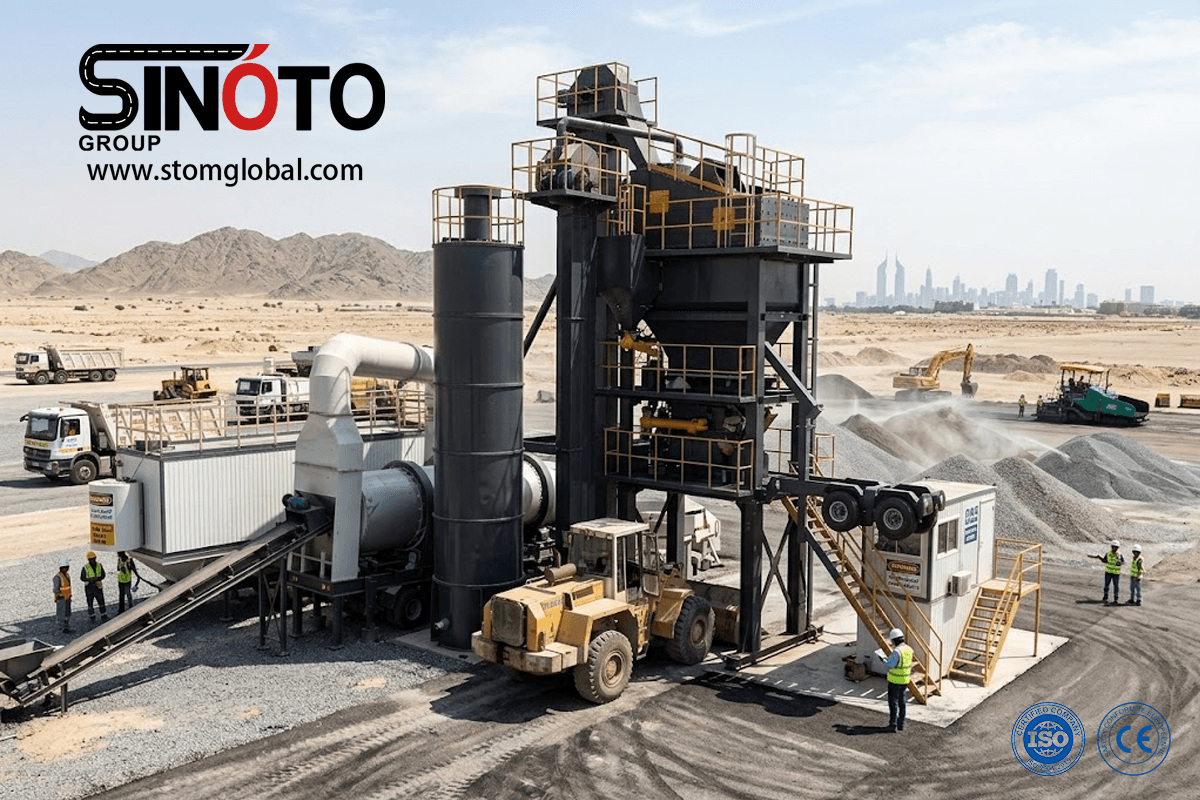
The website lists no fixed figures, because the asphalt mixing plant price depends on configuration. The main variables are:
Choosing a mobile design also reduces the civil and labor items that inflate the total asphalt plant cost, especially on short-term contracts. A mobile plant needs no permanent foundation, no long installation crew, and no demolition when the job ends.
For a precise asphalt plant quotation, prepare these details before you contact a supplier: target hourly output, preferred fuel, site altitude and climate, local emission standards, and delivery location. Sharing them upfront speeds up the response and prevents costly re-quoting.
Tell us your capacity target and site conditions, and our engineers will prepare a tailored proposal and asphalt plant quotation.
👉 Request a Free Quote for Your Mobile Asphalt Batching Plant Today
📧 info@stomglobal.com | 💬 WhatsApp: +86 190 5958 1045
#AsphaltBatchingPlant #MobileAsphaltPlant #AsphaltMixingPlant #AsphaltPlantForSale #RoadConstruction #SINOTO

Whatsapp ID: 8619059581045

WeChat ID: +8619059581045

