Capacity is the biggest decision you make when you buy an asphalt plant. If it is too small, your paving crew waits for hot mix. If it is too large, you pay for burners, bins and power you never use. This guide compares the 80, 120 and 160 TPH options so you can match an asphalt mixing plant to your real workload, not a brochure number.
💡 Quick Answer: Choose 80 TPH for rural roads and maintenance, 120 TPH for mid-size highway and municipal contracts, and 160 TPH for large, multi-crew projects. Size the plant to your paver’s daily demand, not to the biggest contract you hope to win.
| 🚚 Mobility | ⏱️ Speed | 🌍 Track Record | 🌫️ Emissions |
|---|---|---|---|
| 3–4 trailer units | 45-second batch cycle | Exported to 20+ countries | ≤20 mg/Nm³ |
When you browse an asphalt mixing plant for sale, the headline figure is tons per hour (TPH). But TPH is only half the story. Real output depends on aggregate moisture, target temperature and truck cycle times.
A simple sanity check comes from the mixer itself. With a 45-second cycle, an asphalt batching plant completes 80 batches every hour. That means:
Ask yourself three questions before deciding:
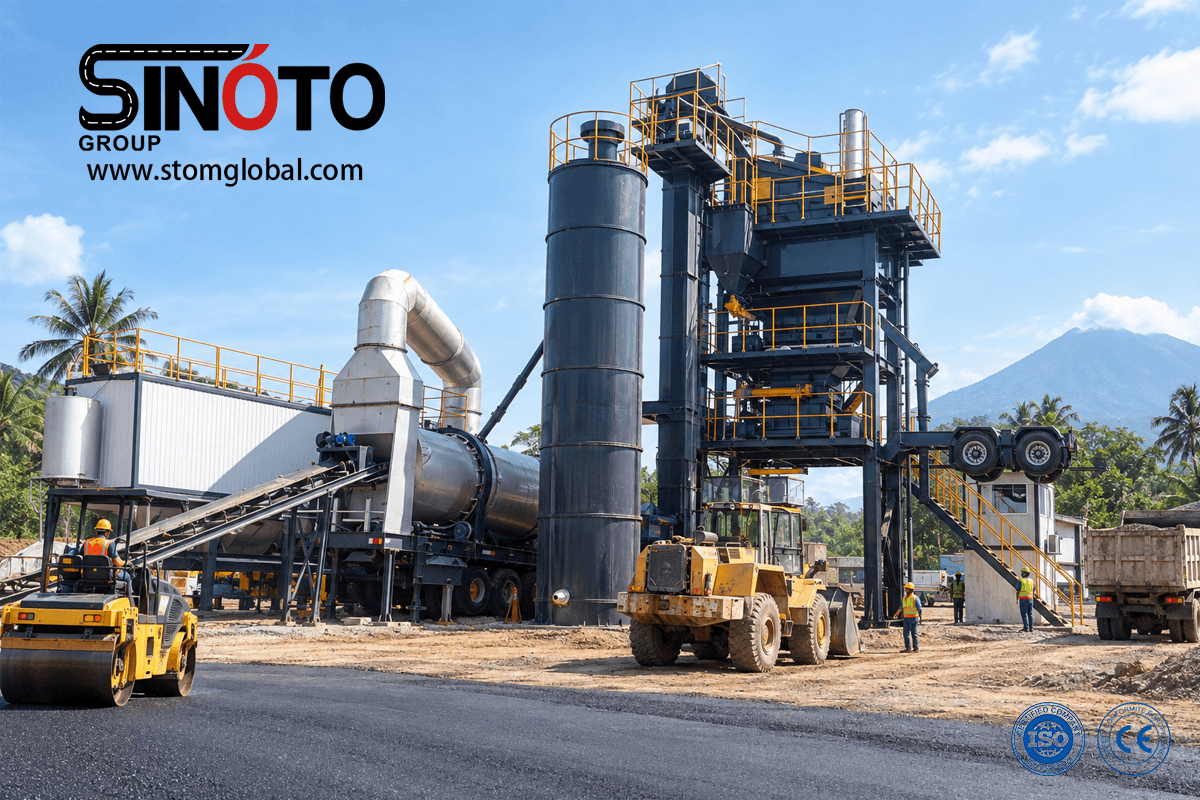
The table below uses published specifications for SINOTO’s mobile asphalt batching plant range.
| Specification | YLB1000 | YLB1500 | YLB2000 |
|---|---|---|---|
| Capacity | 80 t/h | 120 t/h | 160 t/h |
| Mixer capacity | 1,000 kg | 1,500 kg | 2,000 kg |
| Mixing cycle | 45 s | 45 s | 45 s |
| Total power | 242 kW | 326 kW | 413 kW |
| Cold bins | 4 × 7 m³ | 4 × 8 m³ | 5 × 8 m³ |
| Dryer drum (mm) | Φ1600 × 6800 | Φ1800 × 8000 | Φ1800 × 8000 |
| Hot storage bins | 24 m³ | 28.5 m³ | 32.5 m³ |
| Bitumen tank | 40 m³ | 2 × 40 m³ | 2 × 40 m³ |
| Baghouse filter area | 380 m² | 450 m² | 550 m² |
| Best for | Rural roads, patching | Regional highways | Large multi-paver sites |
Specifications are for reference only; final configuration may change.
80 TPH (YLB1000): This model suits county roads, small municipal contractors and maintenance teams. It needs at least three mobile units and draws about 242 kW, which keeps the investment low. It is the safest entry point if this is your first plant.
120 TPH (YLB1500): This is the sweet spot for regional contractors. The larger Φ1800 × 8000 mm dryer drum, the 1,500 kg mixer and the dual 40 m³ bitumen tanks support steady highway resurfacing without the cost of the top model.
160 TPH (YLB2000, hydraulic type): Built for large highways, airports and multi-paver sites, it uses at least four mobile units and about 413 kW. If bigger contracts are likely within two years, buying this asphalt batch plant now can cost less than upgrading later.
📌 Expert Tip: Do not size for peak days only. A plant running at roughly 70–85% of rated capacity is usually more fuel-efficient and suffers less wear than one pushed to its limit every shift.
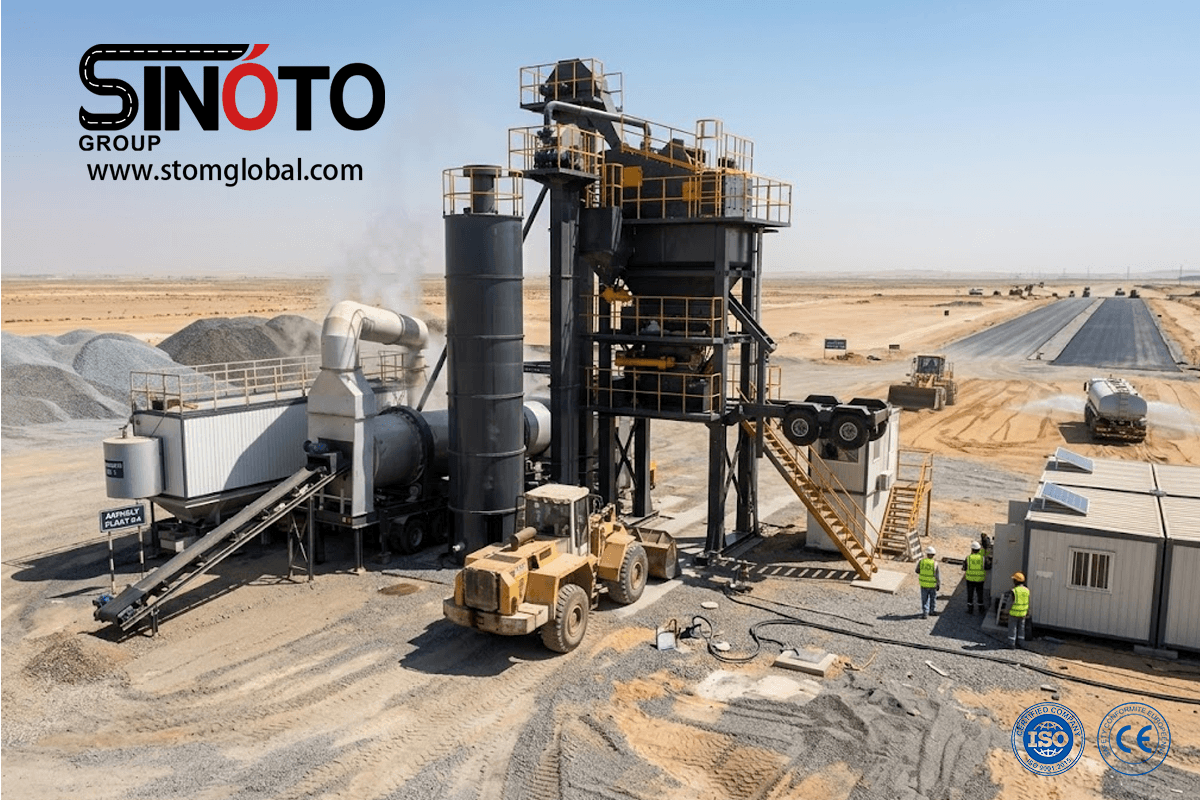
Almost every buyer’s first question is about asphalt plant price. The honest answer is that there is no single number. The asphalt mixing plant price depends on configuration, not just capacity. The main drivers are:
Ask every asphalt plant supplier for an itemized asphalt plant quotation based on identical specifications, so you compare like with like. Then look at the total asphalt plant cost over its life: fuel consumption, relocation, spare parts and downtime.
A mobile design also cuts civil costs. Stationary plants need months of foundation work, while a mobile unit needs only site leveling and pipeline connections before commissioning.
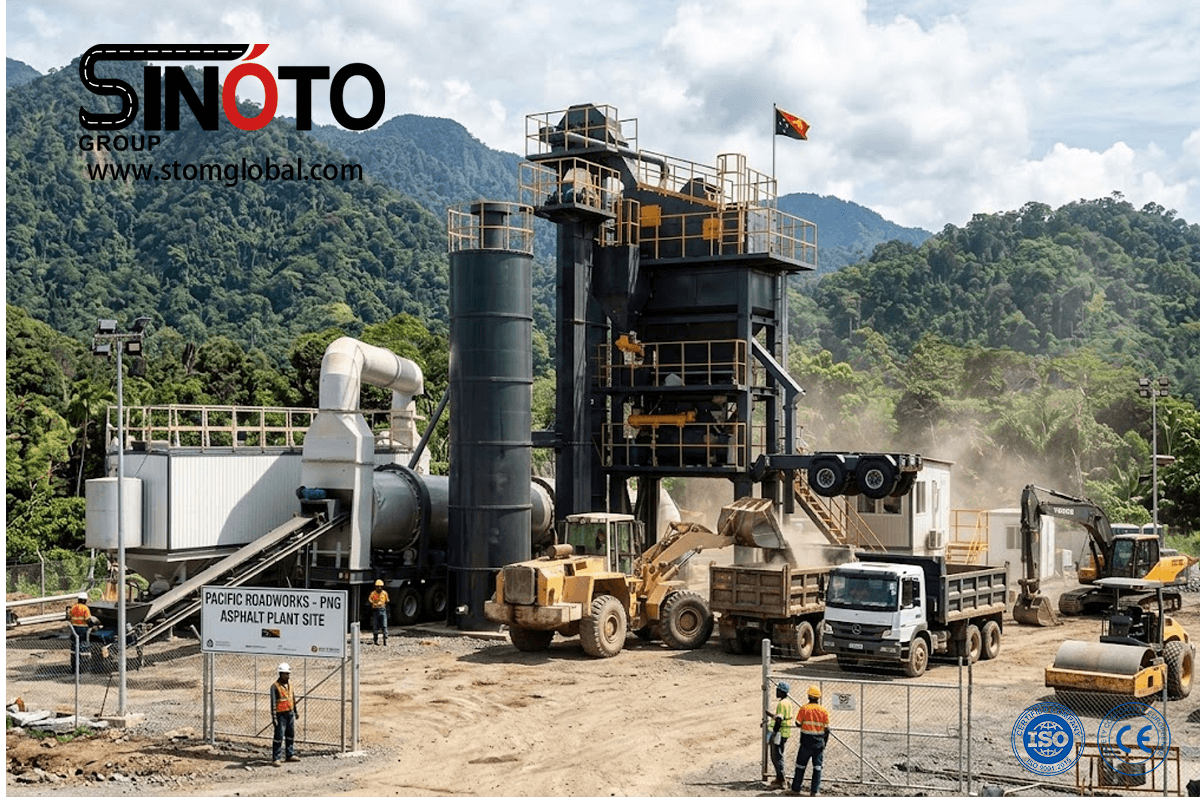
Capacity only matters if the equipment performs on site. SINOTO is an asphalt mixing plant manufacturer whose mobile plants have been exported to more than 20 countries, including mountainous and remote regions. Its main selling points are:
🏗️ Why It Matters: Moving the “factory” beside the construction site removes long-distance hauling, which keeps mix temperature stable and cuts transport cost.
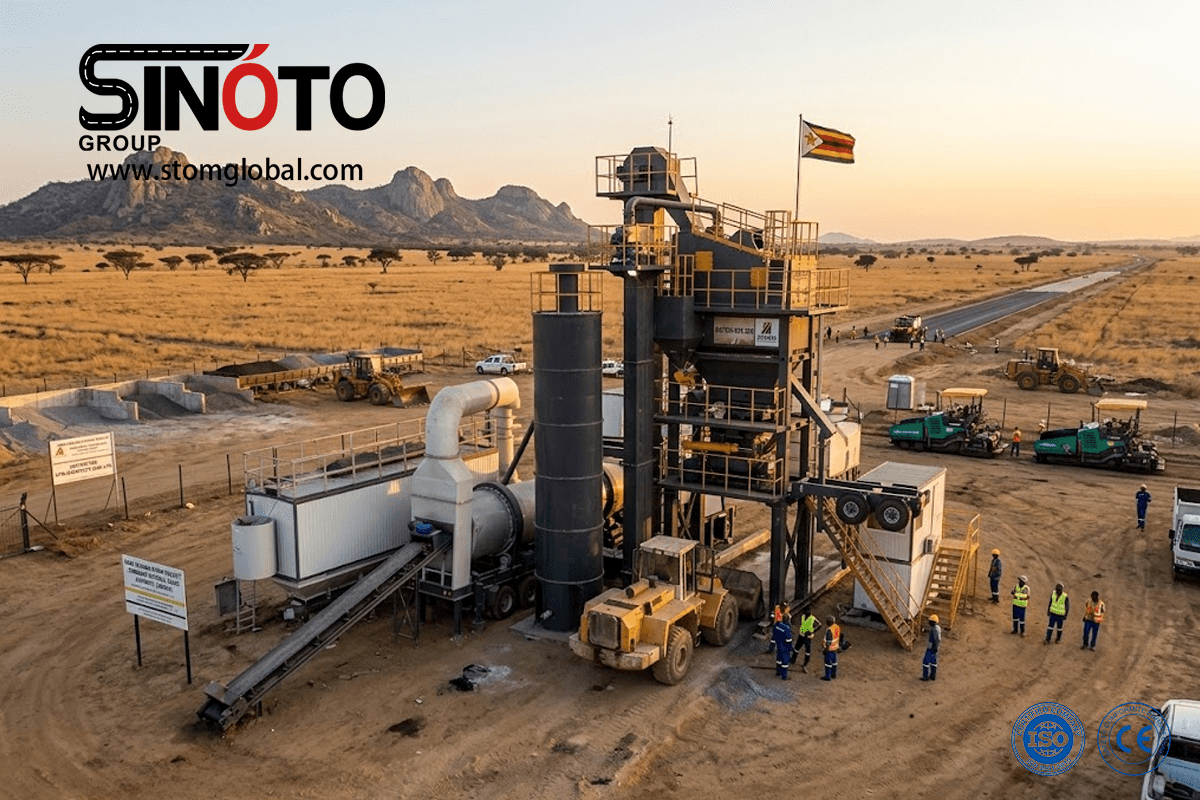
Bottom line: 80 TPH suits lean, flexible operations, 120 TPH is the best all-rounder, and 160 TPH rewards high-volume contractors. Whichever you choose, a mobile asphalt batching plant lets production follow the road, not the other way around.
📩 Ready to size your plant? Tell us your project tonnage, fuel type and location, and our engineers will recommend the right model.
👉 Request a Free Asphalt Plant Quotation Now
✉️ info@stomglobal.com | 📱 WhatsApp: +86 190 5958 1045
#AsphaltMixingPlant #AsphaltBatchingPlant #MobileAsphaltPlant #AsphaltPlantForSale #RoadConstruction

Whatsapp ID: 8619059581045

WeChat ID: +8619059581045

