For contractors and plant owners scaling up hot-mix asphalt production, few questions matter more than logistics: can the machine simply arrive, get lowered onto a foundation, and start running? This is the single most common concern raised by international buyers evaluating a bitumen melting machine manufacturer before placing an order. The short answer, for a properly engineered Drum Bitumen Melter such as the SINOTO Bitumen Decanter, is yes — but the details of how that containerized, skid-mounted delivery works are what actually determine your project timeline, your customs clearance, and your return on investment.
This article breaks down the buyer questions that matter most, the selling points that separate a genuine industrial-grade unit from a stripped-down import, and the technical data you need before signing a purchase order.
📋 Quick Answer: Yes. Modern bitumen decanting equipment is engineered as a modular, skid-mounted system that fits into standard 40ft HQ shipping containers, reducing freight cost and cutting on-site installation to days rather than weeks.
Buyers researching a bitumen decanter manufacturer are rarely shopping on price alone — they are shopping on reliability, after-sales support, and whether the factory actually understands road construction workflows. SINOTO, produced by Henan Sinoto Machinery Technology Co., Ltd., positions its bitumen drum melting unit around five engineering priorities: safety, thermal efficiency, temperature precision, continuous throughput, and operational simplicity.
💡 Info: The equipment uses thermal oil indirect heating rather than direct open-flame heating, which is the single biggest safety differentiator between a professional bitumen decanting plant and cheaper, unregulated alternatives still common in some markets.
Key manufacturer-grade features include:
For any buyer comparing suppliers, the manufacturer’s willingness to document these systems — rather than simply quoting a tonnage figure — is usually the clearest signal of product maturity.
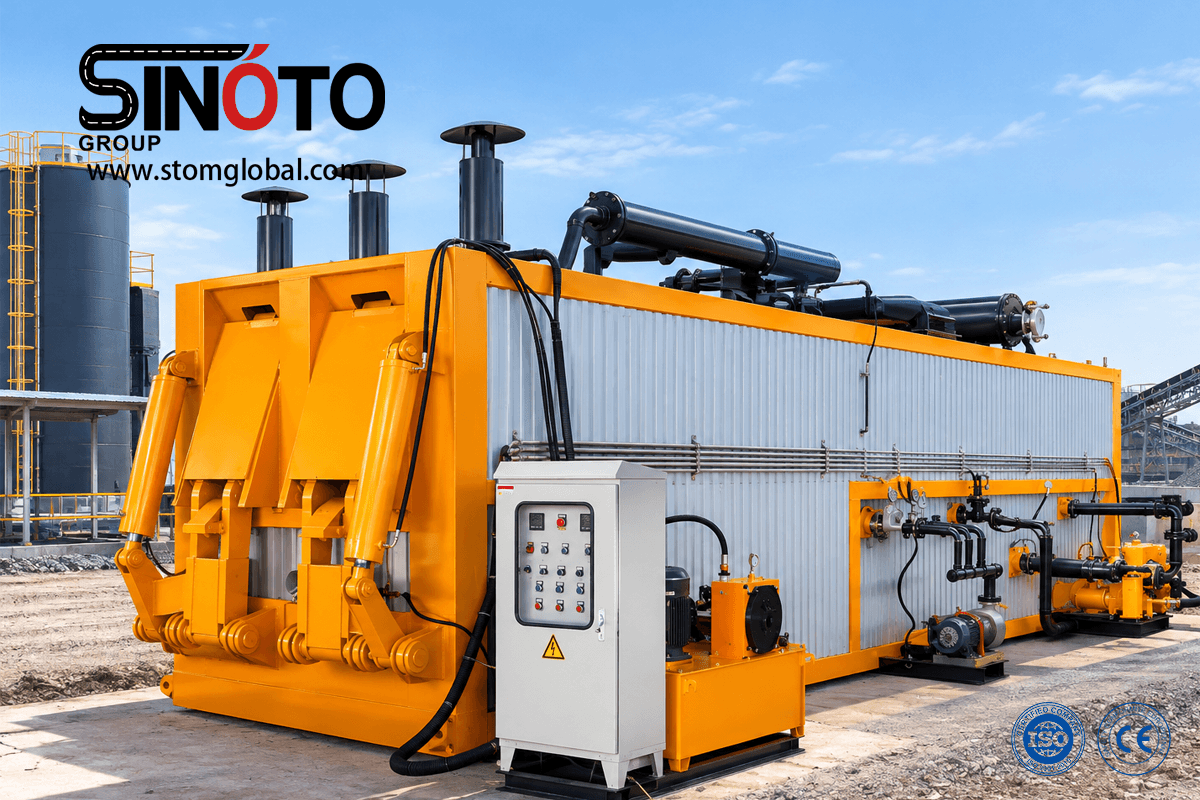
“High Speed Asphalt Melting” is not just a marketing phrase; it is a measurable outcome of how heat is transferred to the drum and how quickly the empty barrel is cleared to make room for the next one. In a well-designed asphalt drum melter, a single 200L drum typically softens and empties within 40–60 minutes using a high-temperature thermal oil coil system — a cycle time that is difficult to achieve with older, direct-fired designs.
The melting sequence works like this:
“Continuous barrel feeding and automatic discharge ensure uninterrupted asphalt drum removal and melting processes, saving time and labor. Output is increased by 30%-50% compared to traditional bitumen melting machine.”
This continuous-cycle design is what allows plant operators to move from single-drum batch melting to genuine production-line throughput — a critical distinction when evaluating any Automatic Asphalt Melter for a project with tight paving schedules.
This is the core buyer question this article was written to answer. A skid-mounted, containerized Road Construction Melting Machine offers three practical advantages that directly affect project cost and speed:
1. Reduced shipping cost. The main body dimensions of the unit are engineered to fit inside standard 40ft HQ containers, avoiding the higher freight rates and customs complexity associated with oversized or break-bulk cargo.
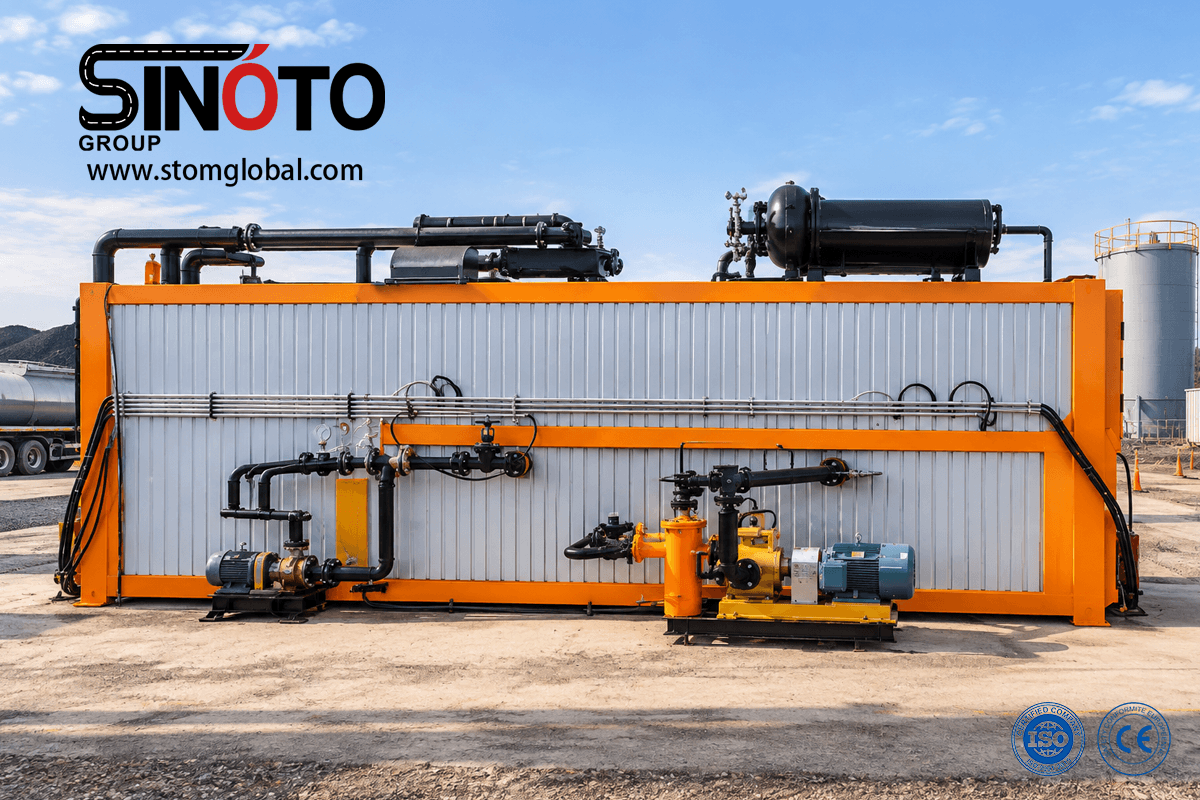
2. Faster on-site assembly. Because major sub-systems — the barrel feeding system, heating system, extraction system, and control cabinet — arrive pre-assembled on a skid base, installation crews are connecting modules rather than building a plant from loose components. This typically compresses commissioning time from weeks to days.
3. Easier relocation. For contractors running multiple road projects across a region, a skid-mounted asphalt drum melter can be redeployed to a new site far more easily than a permanently poured, fixed-foundation installation.
📊 Info: All four standard models (DT-4 through DT-12) are designed with this modular philosophy, meaning capacity can scale without redesigning the shipping and installation approach.
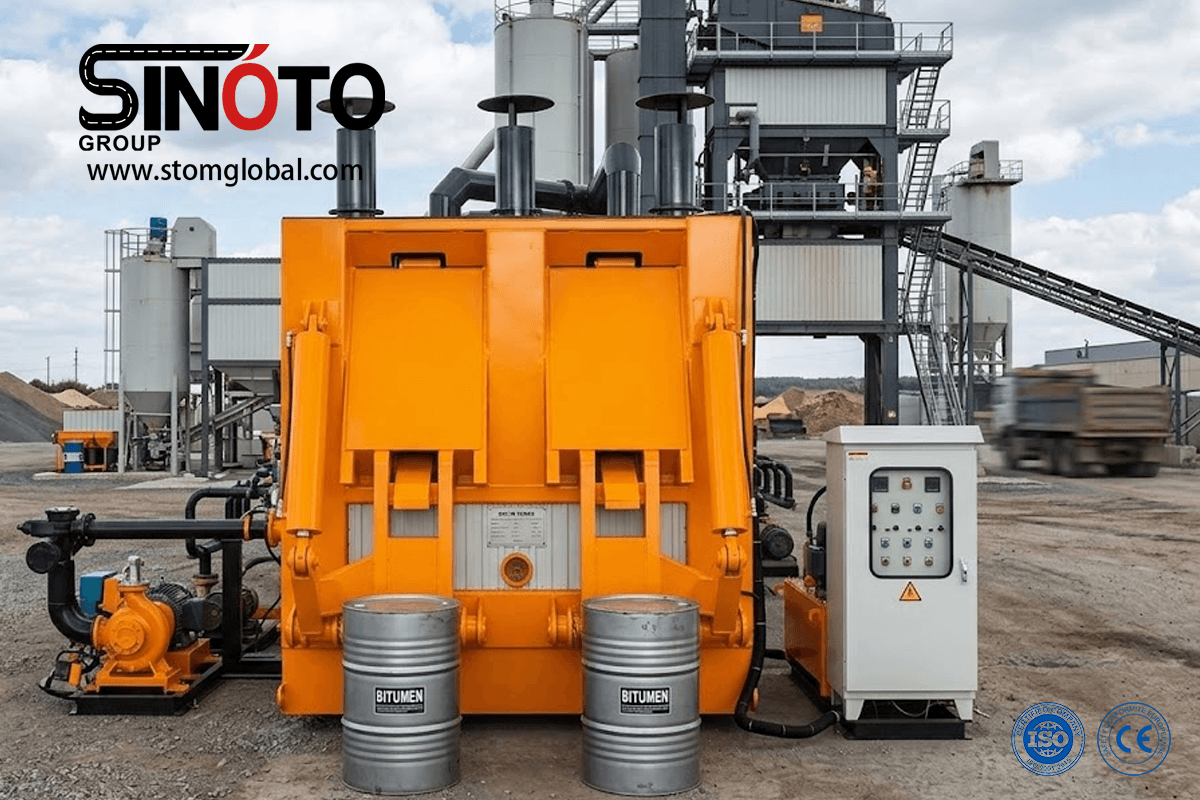
Specification tables are where serious buyers spend the most time, because tonnage claims mean little without knowing barrel capacity, footprint, and power draw. Below is the full technical parameter table for the SINOTO bitumen decanting plant range.
| Model | DT-4 | DT-6 | DT-10 | DT-12 |
|---|---|---|---|---|
| Productive Capacity (t/h) | 4–5 | 6–8 | 8–10 | 12–15 |
| Barrels Accommodated (pcs) | 30 | 40 | 44 | 60 |
| Qty. of Rails | 2 | 2 | 2 | 3 |
| Bitumen Pool Volume (m³) | 14 | 17 | 18 | 22 |
| Bitumen Output Flow (m³/h) | 9.8 | 16.8 | 16.8 | 19 |
| Total Power (kW) | 9.5 | 18.5 | 20.5 | 20.5 |
| Overall Size (mm) | 8500×2250×2450 | 10500×2250×2450 | 11500×2250×2450 | 11500×3000×2450 |
| Total Weight (kg) | 9,500 | 12,500 | 13,500 | 20,000 |
Heating options across the range include diesel or gas burner heating and thermal oil heating furnace configurations, so buyers with existing thermal oil boilers can integrate the unit directly, while others may opt for a fully integrated decanter with a built-in burner.
Two further specification questions come up repeatedly in buyer inquiries:
This combination of specifications makes the unit function equally well as a standalone Asphalt Drum Reheating Machine for smaller contractors and as a high-volume feed system for larger asphalt mixing plants.
Once specifications are confirmed, the remaining buyer concerns are almost always commercial: lead time, warranty terms, spare parts availability, and whether the manufacturer can support installation remotely or on-site. When searching for a bitumen decanter for sale, it is worth requesting:
🔎 Info: Because the equipment supports customization of capacity and dimensions to match project-specific requirements, buyers should communicate expected daily tonnage and available site footprint early in the inquiry process — this materially affects which model (DT-4 through DT-12) is the right fit.
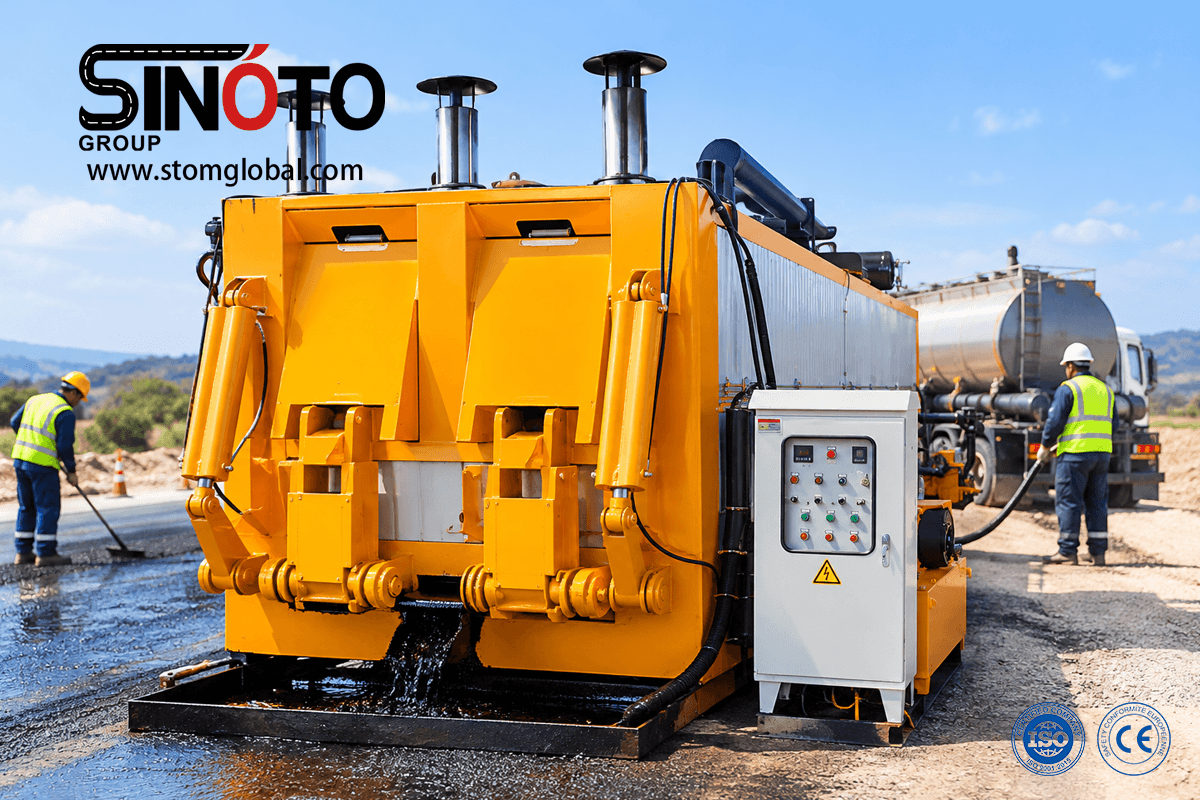
A genuinely industrial-grade Drum Bitumen Melter is not simply a heated tank — it is an integrated system combining hydraulic barrel handling, indirect thermal oil heating, automated temperature control, and a containerized skid design built for fast global deployment. For contractors weighing capacity, safety, and installation speed against total landed cost, that combination is usually the deciding factor between suppliers.
Ready to move forward? Request a Free Quote and Technical Consultation →

Whatsapp ID: 8619059581045

WeChat ID: +8619059581045

