Choosing the right asphalt plant is a critical investment for road construction contractors, infrastructure developers, and asphalt production businesses. The right equipment can improve production efficiency, maintain consistent hot mix asphalt quality, control operating expenses, and support long-term project profitability. However, with different production processes, capacities, configurations, and mobility options available, selecting the right asphalt mixing plant requires careful evaluation.
Whether you need a stationary production facility for highway construction or a mobile asphalt plant for sale for remote road projects, understanding the differences between equipment types is essential before making a purchasing decision.
SINOTO provides asphalt mixing equipment solutions for road construction and infrastructure projects, including stationary asphalt batching plants, mobile asphalt batching plants, continuous asphalt mixing plants, and continuous forced asphalt mixing plants.
This guide explains what buyers should consider when comparing an asphalt plant for sale, how different configurations affect project performance, and how to select equipment that matches your production requirements and investment budget.
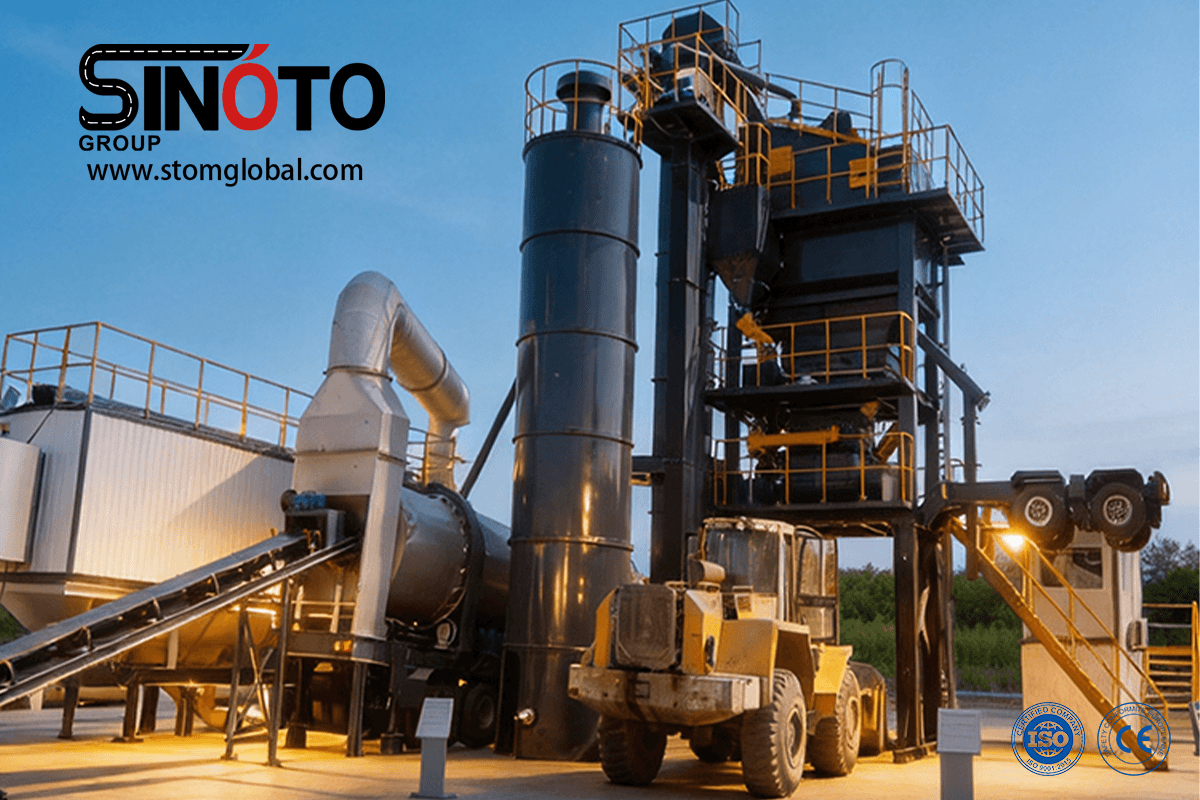
The first step is identifying the production process and installation configuration that suit your construction requirements. Different asphalt mixing plant designs offer different advantages in terms of production flexibility, operating efficiency, installation, and investment.
An asphalt batch mix plant produces asphalt in separate batches. Aggregates are dried and heated, screened into different sizes, weighed accurately, and mixed with bitumen and mineral filler. This process makes it suitable for projects that require precise proportioning and frequent changes in asphalt mix design.
An asphalt drum mix plant combines aggregate drying, heating, and mixing in a continuous production process. Its relatively straightforward production arrangement makes it attractive for contractors prioritizing continuous output and straightforward operation.
| Comparison factor | Asphalt batch mix plant | Asphalt drum mix plant |
|---|---|---|
| Production process | Intermittent batch production | Continuous production |
| Mix design flexibility | Generally high | Best for relatively consistent mix designs |
| Material proportioning | Separate weighing and batching | Depends on the metering and control configuration |
| Process arrangement | More components and processing stages | More integrated production process |
| Typical application | Highways, airports, and projects requiring multiple mix designs | Routine road construction and standardized paving |
| Main purchasing consideration | Precision and mix flexibility | Operating efficiency and investment |
Buyer insight: Choose an asphalt batch mix plant when accurate batching and flexible mix specifications are priorities. Consider an asphalt drum mix plant when continuous production and cost control are more important than frequent formula changes.
A stationary asphalt plant is generally suitable for long-term production at a fixed location. It can support sustained demand from highways, municipal road networks, and large infrastructure projects.
A mobile asphalt plant is designed for easier transportation, installation, and relocation. Depending on its configuration, a portable asphalt plant can help contractors serve multiple project sites without maintaining a permanent production facility at every location.
A mobile asphalt mixing plant is particularly attractive for remote construction, road rehabilitation, temporary projects, and contractors working across different regions.
When comparing a mobile asphalt plant for sale with a stationary installation, evaluate transportation costs, site preparation, commissioning time, relocation frequency, and expected project duration. Mobility alone does not guarantee lower total costs; the decision should reflect the complete project lifecycle.
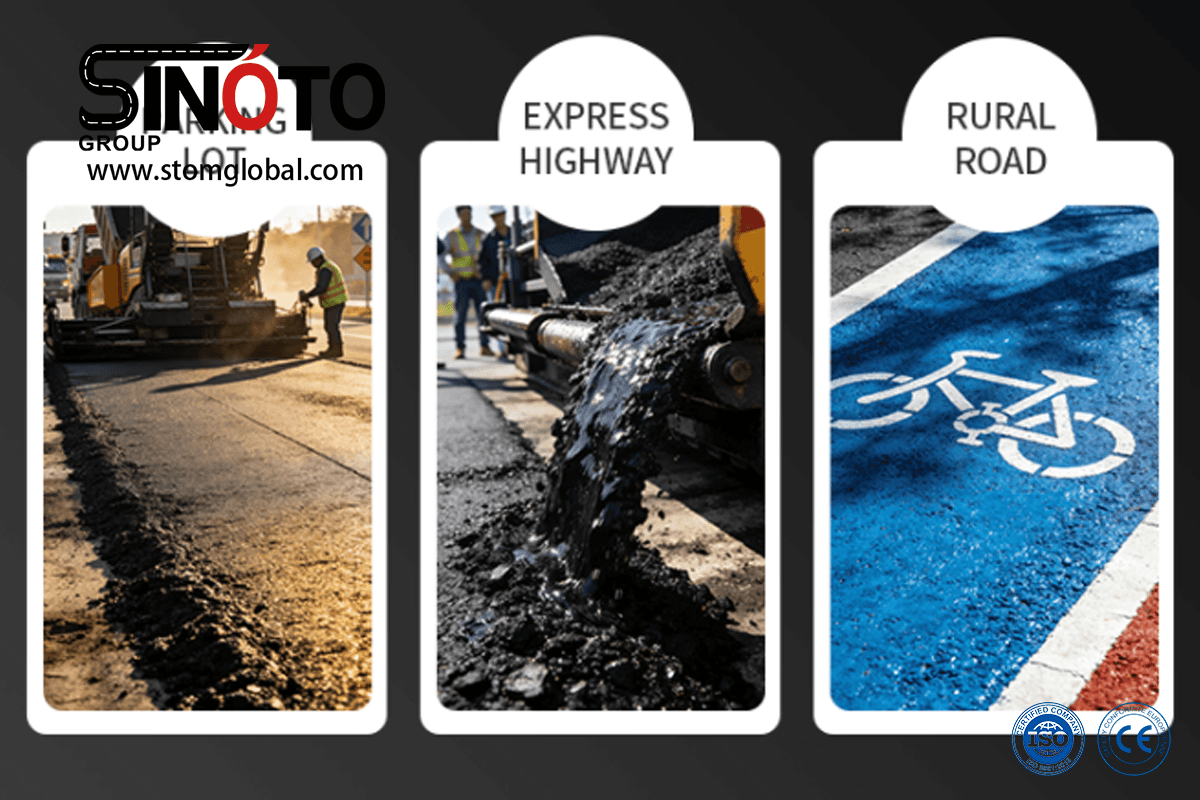
The asphalt plant cost is one of the most important purchasing considerations. However, the initial equipment quotation is only one part of the total investment. Buyers should calculate installation expenses, fuel consumption, maintenance, transportation, labor, and the cost of supplying asphalt to paving operations.
The final price of an asphalt mixing plant depends on its production capacity, batch or continuous process, automation level, dust collection system, storage configuration, optional recycling equipment, and project-specific requirements.
| Cost category | What buyers should evaluate | Why it matters |
|---|---|---|
| Equipment purchase | Plant type, rated capacity, configuration | Determines initial capital expenditure |
| Transportation | Shipping, inland freight, oversized cargo | Especially important for mobile and export projects |
| Installation | Foundations, assembly, electrical connections | Affects commissioning costs and schedule |
| Fuel and electricity | Burner efficiency, aggregate moisture, local energy prices | Influences ongoing production costs |
| Maintenance | Wear parts, filters, bearings, service access | Affects availability and lifecycle expenses |
| Environmental systems | Dust collection and locally required emissions controls | Supports regulatory compliance |
| Technical support | Spare parts, training, remote assistance | Helps reduce unexpected downtime |
Important: Do not compare quotations based on price alone. Two asphalt mixing plants with similar rated capacities may have different included components, fuel requirements, automation systems, and maintenance needs.
When requesting an asphalt plant for sale quotation, specify the required hourly output, aggregate moisture conditions, fuel type, local electrical supply, asphalt mix requirements, and environmental standards.
The most economical asphalt plant is not necessarily the one with the lowest purchase price. A better approach is to estimate the cost of producing each ton of usable asphalt mixture.
Consider the following calculation:
Production cost per ton = Total operating costs ÷ Actual saleable asphalt output
Operating costs may include fuel, electricity, labor, maintenance, raw materials, and other production expenses. To compare equipment fairly, calculate costs under similar operating conditions and exclude or separately identify costs that differ between projects.
For contractors with recurring, high-volume demand, a stationary plant may provide better long-term economics. For short-duration projects across multiple locations, a portable asphalt plant for sale may reduce the need for permanent production infrastructure, although relocation and transportation expenses must also be considered.
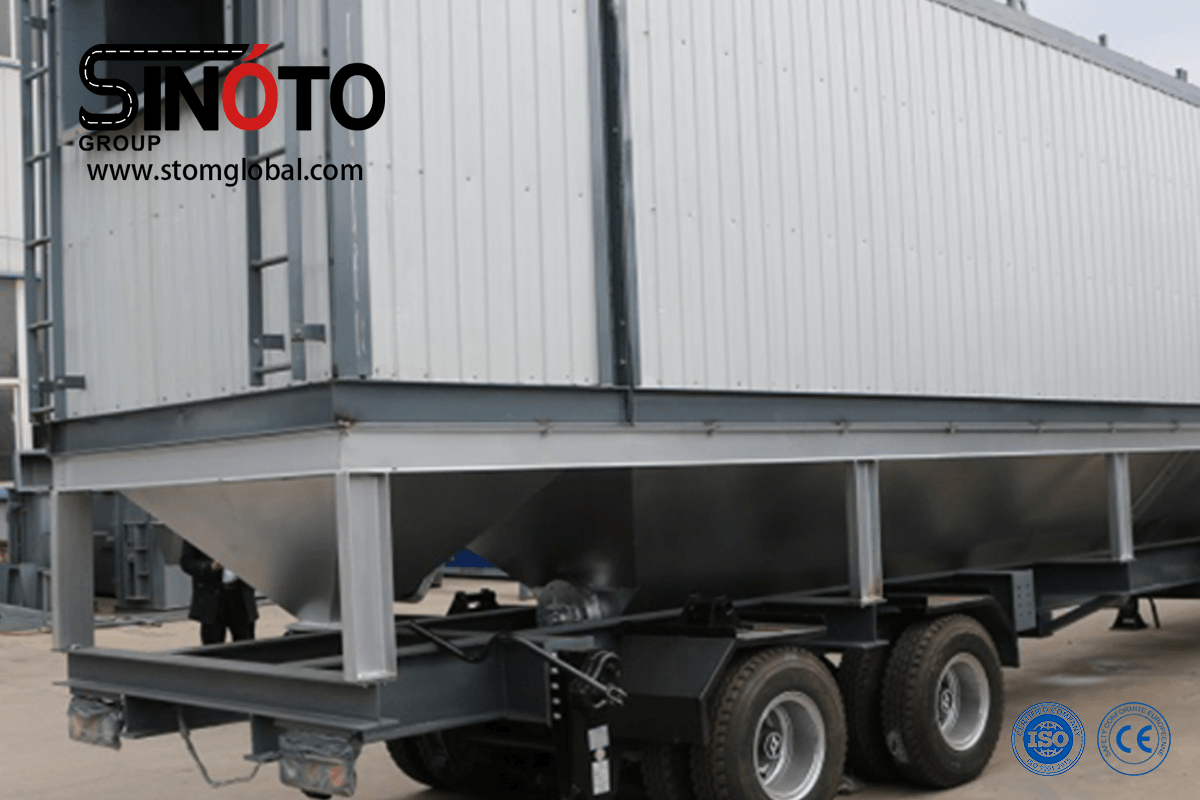
Selecting the correct capacity is essential. An undersized asphalt mixing plant may struggle to supply paving crews consistently, while an oversized plant can increase capital costs and leave expensive equipment underutilized.
Buyers should estimate daily paving demand, working hours, seasonal workload, aggregate availability, and the actual production rate required at the construction site.
The following figures are illustrative planning categories, not confirmed SINOTO model specifications. Actual capacity depends on the selected configuration, material moisture, mix design, operating conditions, and other site factors.
| Illustrative capacity range | Potential application | Key consideration |
|---|---|---|
| 40–100 tons/hour | Small municipal roads and maintenance projects | Lower demand and flexible deployment |
| 100–200 tons/hour | Medium-scale road construction | Balance output with investment |
| 200–300 tons/hour | Major road projects and sustained paving demand | Reliable material supply and logistics |
| 300 tons/hour and above | Large infrastructure programs | Site infrastructure, aggregate supply, and sustained utilization |
Before selecting a capacity, calculate the asphalt required per day and the realistic number of productive operating hours. Allow for maintenance, material replenishment, weather interruptions, and transportation delays.
A reliable hot mix asphalt plant requires coordinated operation across several systems.
A complete asphalt batching plant should be evaluated as an integrated production system rather than a collection of individual machines.
💡 Procurement tip: Ask the manufacturer to clarify rated versus expected actual output, fuel consumption assumptions, included dust collection equipment, spare parts, installation requirements, and warranty coverage. Request written confirmation of all critical specifications before placing an order.
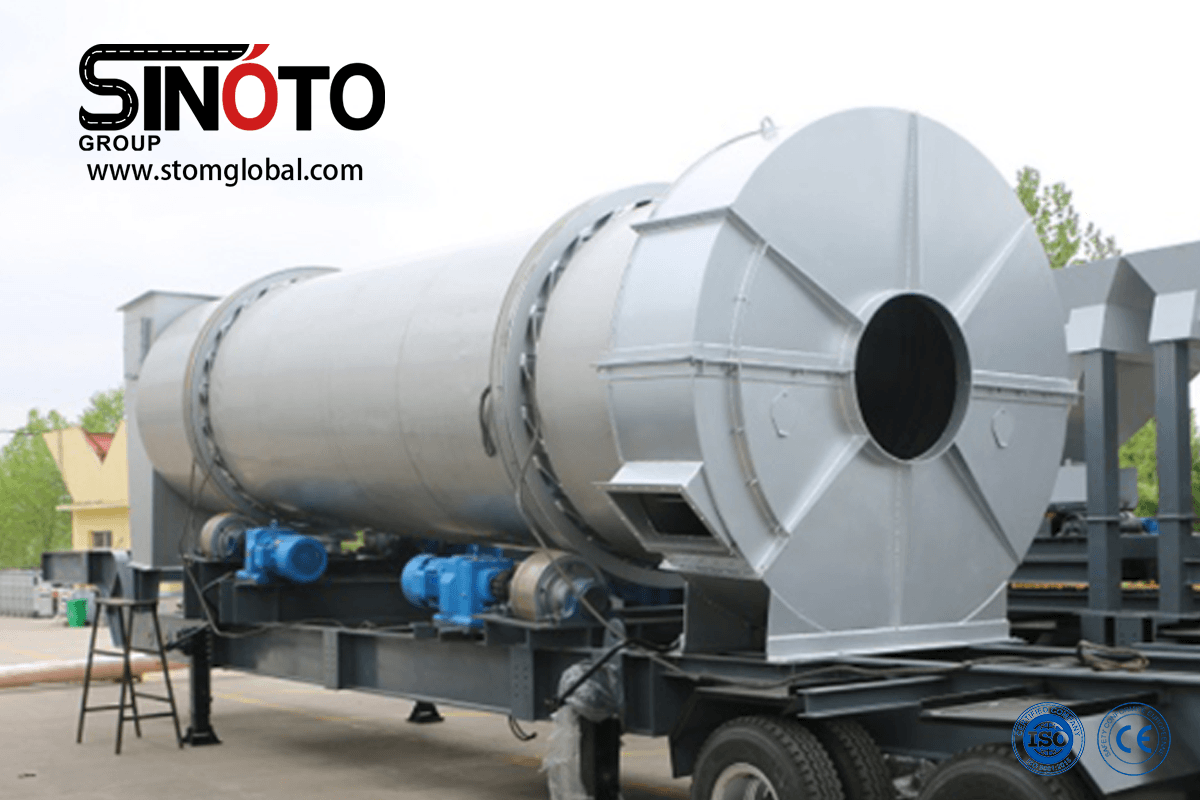
Searching for a hot mix asphalt plant near me or a hot asphalt plant near me can help buyers identify nearby suppliers, service providers, and available equipment. However, local proximity should not be the only selection criterion.
For international contractors, purchasing directly from an experienced manufacturer may provide access to configurable equipment, technical documentation, production planning assistance, and coordinated export support.
SINOTO offers several asphalt mixing plant configurations to accommodate different construction requirements.
1. Product suitability
Confirm whether the supplier offers a stationary asphalt mixing plant, mobile asphalt batching plant, continuous asphalt mixing plant, or continuous forced asphalt mixing plant that meets your project requirements.
2. Technical documentation
Request equipment drawings, foundation requirements, utility specifications, configuration details, and verified production data. These documents help your engineering team prepare the site and estimate the installation schedule.
3. Environmental compliance
Check local requirements for dust emissions, noise, fuel storage, and other environmental controls. The selected plant and auxiliary equipment should be appropriate for the project jurisdiction.
4. Spare parts and technical support
Ask about recommended spare parts, maintenance intervals, operator training, troubleshooting support, and delivery lead times for replacement components.
5. Total project cost
Compare complete quotations that include the required configuration, transportation, installation support, and optional systems. Confirm exclusions and payment terms before evaluating competing offers.
 Why Consider SINOTO for Your Asphalt Mixing Plant?
SINOTO supplies asphalt machinery and road construction equipment solutions for infrastructure projects. Its product range includes stationary asphalt batching plants, mobile asphalt batching plants, continuous asphalt mixing plants, and continuous forced asphalt mixing plants.
This range allows buyers to discuss equipment configurations based on project scale, site conditions, production requirements, and budget rather than choosing solely by equipment name or headline price.
Whether you are evaluating an asphalt batch plant for sale for a highway project or a mobile asphalt mixing plant for multiple construction sites, the best starting point is a clear technical specification and a detailed quotation.
Buyers searching for an asphalt plant for sale, a portable asphalt plant for sale, or an asphalt mixing plant for sale should provide the same essential project information to each supplier. This makes equipment comparisons more meaningful and helps reduce the risk of purchasing an unsuitable configuration.
 Conclusion: Which Asphalt Plant Is the Right Investment for Your Business?
Choosing the right asphalt plant requires balancing production capacity, mix quality, mobility, operating expenses, environmental requirements, and after-sales support.
A stationary plant is often suitable for long-term, high-volume production. A mobile asphalt plant can offer flexibility for projects requiring frequent relocation. A batch mix plant is generally preferable when mix accuracy and frequent formula changes are essential, while a drum mix plant can suit continuous production of relatively standardized mixtures.
Before purchasing, define your daily production target, project duration, available site area, preferred fuel, required mix designs, and budget. Then request a configuration-specific quotation and verify the technical details with the manufacturer.
Ready to find the right asphalt mixing plant for your next project?
Contact SINOTO to discuss your production requirements, compare suitable equipment configurations, and request a customized quotation.
👉 Request an Asphalt Plant Quotation from SINOTO
Contact details
#AsphaltPlant #AsphaltMixingPlant #MobileAsphaltPlant #RoadConstruction #HotMixAsphalt

Whatsapp ID: 8619059581045

WeChat ID: +8619059581045

