If you manage a road maintenance fleet, run a paving contracting business, or are sourcing equipment for a municipal project, you’ve probably typed some version of this question into a search bar: “How much does a slurry sealing paver cost?” It’s a fair question — and a hard one to answer with a single number, because a slurry sealing paver isn’t a commodity item like a wheelbarrow or a shovel. It’s a purpose-built machine, and its price depends heavily on hopper size, chassis configuration, automation level, and what the manufacturer bundles into the deal.
This article breaks down what actually drives slurry seal paver price, what a complete quotation should include, and how to evaluate offers from different suppliers of slurry seal machine for sale listings — whether you’re comparing a compact unit for city streets or a heavy-duty paver asphalt machine for highway-scale pavement preservation work.
Buying this kind of equipment is not like buying a standard asphalt paver for sale off a used-equipment lot. Because slurry sealing and micro-surfacing machines combine several integrated systems — mixing, metering, hydraulics, and control electronics — the final number on a quotation reflects a whole package of engineering decisions, not just steel and horsepower. Understanding those decisions before you request pricing puts you in a much stronger negotiating position, and helps you avoid comparing two “cheap” quotes that actually represent very different machines.
ℹ️ Quick definition: A slurry sealing paver — sometimes called a Micro Surfacing Paver — mixes emulsified asphalt, graded aggregate, filler, water, and additives into a uniform slurry, then spreads it across the road surface at a controlled thickness. It’s one of the most cost-effective surface treatment methods for extending pavement life without a full overlay.
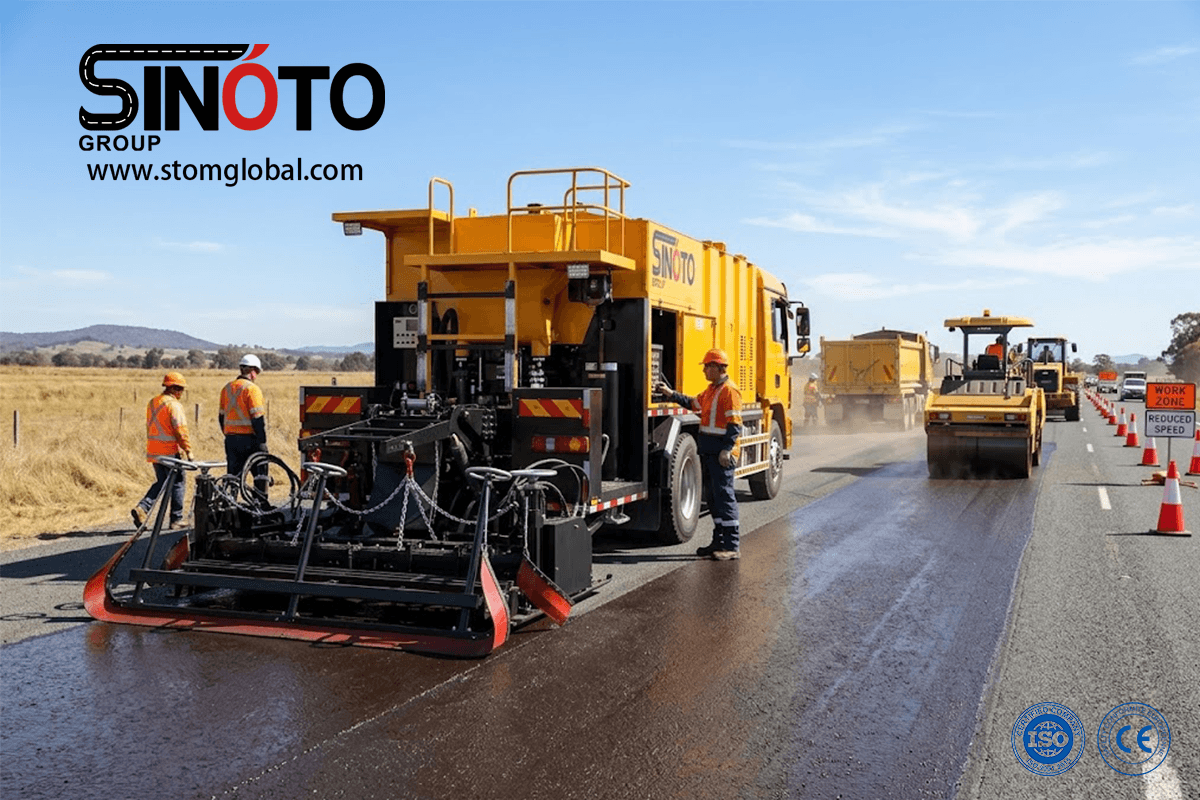
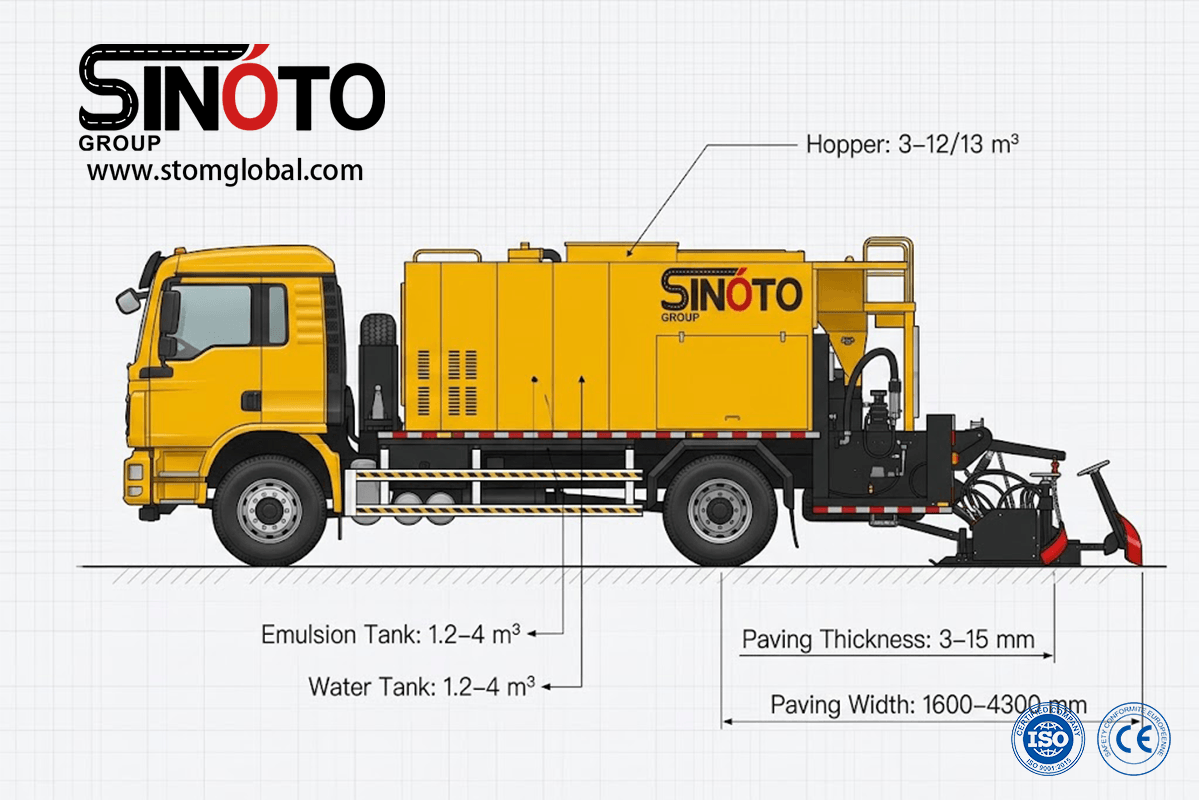
There is no fixed, universal price for this equipment because manufacturers build machines across a wide range of capacities. Instead of asking “what does it cost,” it’s more useful to ask “what size and configuration does my road maintenance program actually need?” The main cost drivers include:
| Configuration Tier | Typical Aggregate Hopper | Typical Chassis | Best Suited For |
|---|---|---|---|
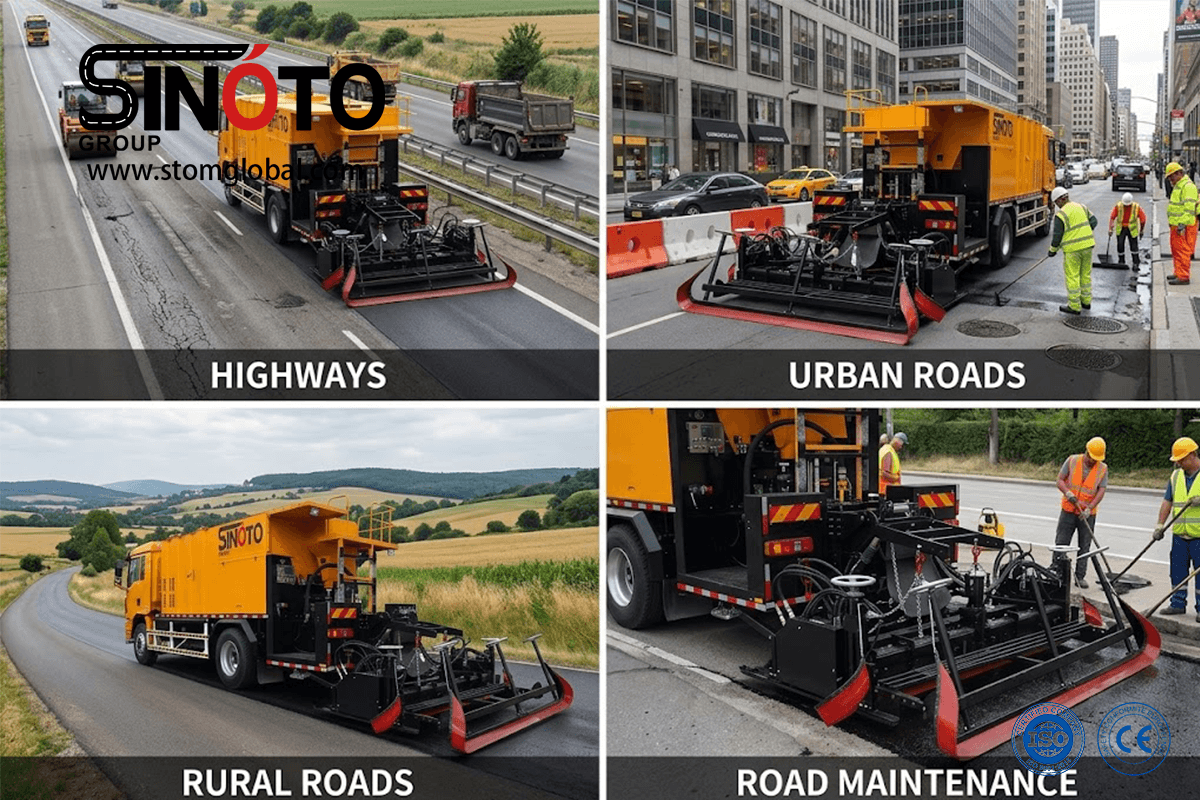
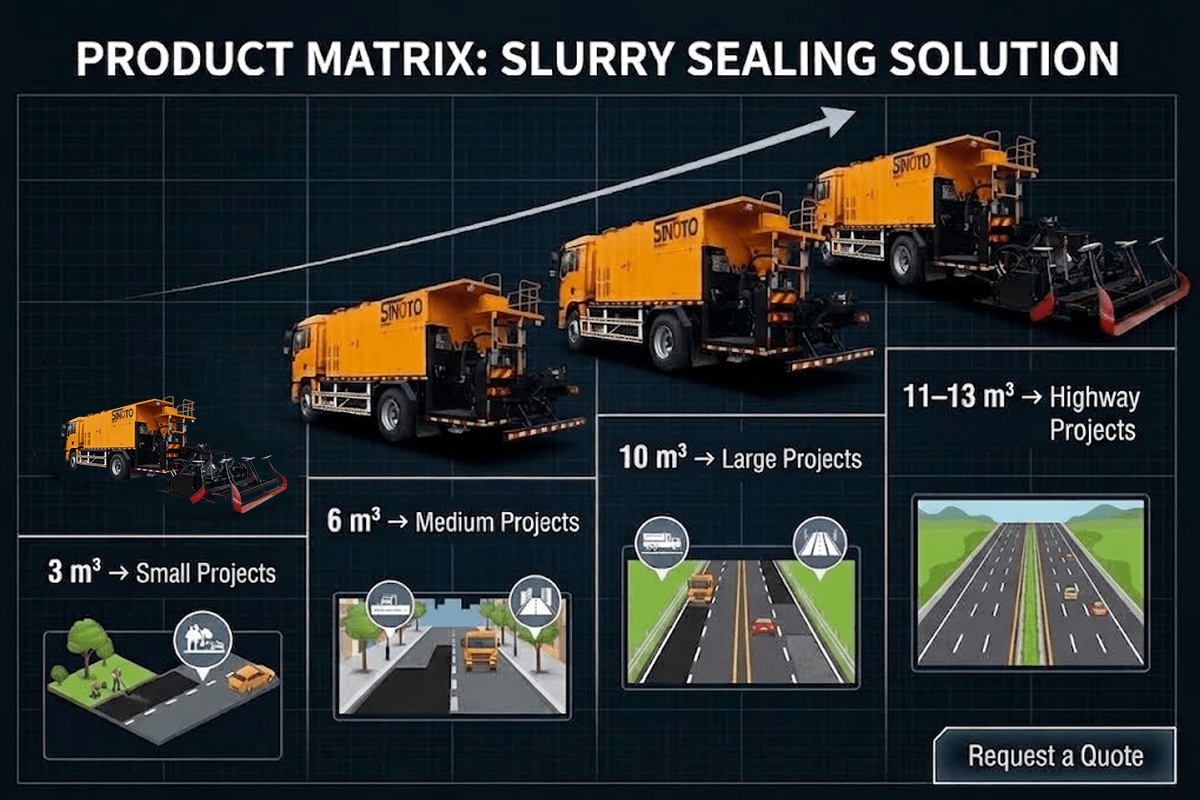
| Compact | 3–6 m³ | 4×2 | City streets, parking lots, small municipal contracts |
| Mid-Range | 10–11 m³ | 6×4 / 8×4 | County roads, mid-size contractor fleets |
| Heavy-Duty | 12–22 m³ | 8×4 | Highways, large-scale pavement preservation programs |
Because these variables interact, the only reliable way to get a real number is to request a formal quotation based on your project scope — daily paving targets, road width, and traffic volume all factor into the right machine size.
It’s also worth noting that discharge capacity — how much mixed material the machine can lay down per minute — scales along with hopper size. Compact units typically discharge at a lower rate suited to intermittent city work, while heavy-duty configurations are built for sustained output on continuous highway stretches. Paying for discharge capacity you’ll never use on narrow municipal streets is one of the most common budgeting mistakes contractors make when comparing slurry seal paver price quotes without first mapping out their actual job profile.
In the industry, “Slurry Sealing Paver” and “Micro Surfacing Paver” are frequently used to describe the same core machine platform, but the terms point to two related — not identical — applications:
The good news for buyers: a well-designed machine platform can typically handle both processes without needing two separate pieces of equipment. When comparing machines marketed as either term, check whether the paving box, mixer, and material supply system are rated for both slurry seal and micro-surfacing formulations — this determines whether the investment is truly versatile or narrowly single-purpose.
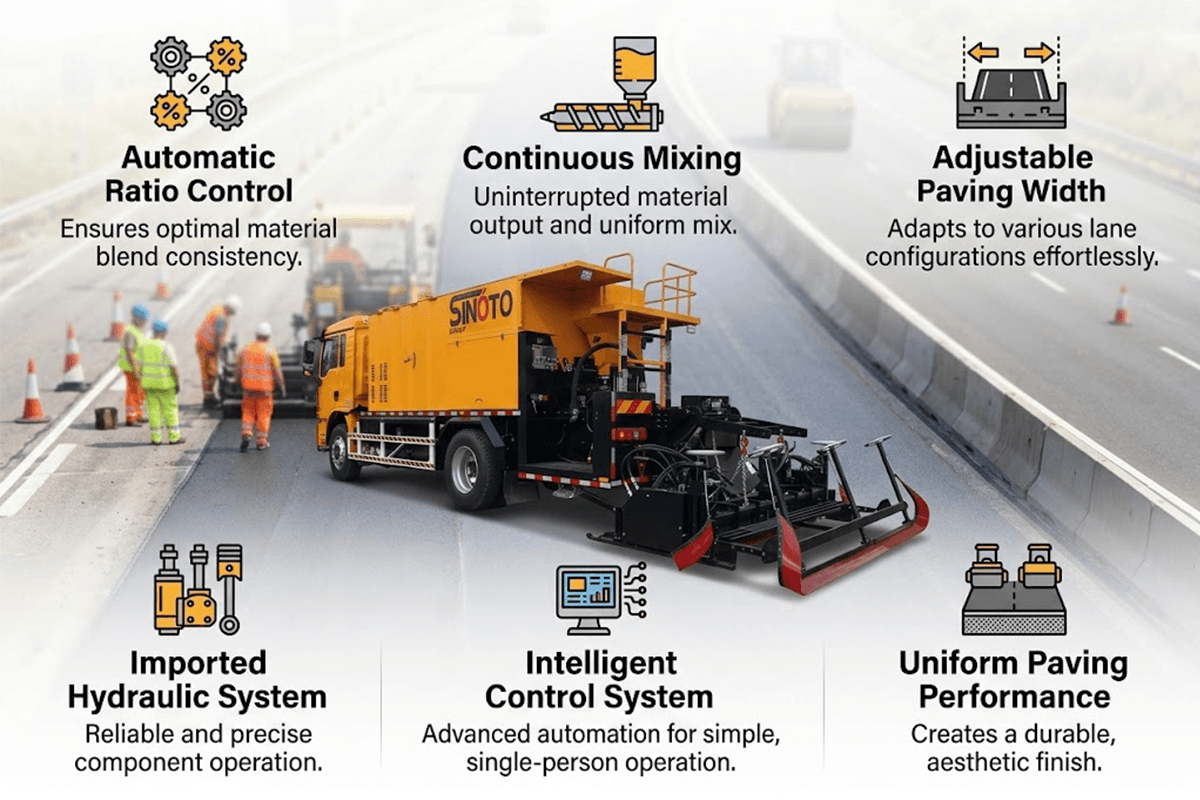
💬 “The truck-mounted intelligent microsurfacing machine uses a real-time feedback system to monitor material consumption, automatically adjusting the flow to match the set mixing ratio regardless of driving speed.” — a common technical answer from equipment manufacturers when explaining why automated ratio control matters for consistent pavement preservation results.
This matters for your buying decision because a machine that’s flexible across both applications gives your fleet more year-round utility — you’re not idle between contract types.
It’s also worth asking any manufacturer directly whether their machine can switch between slurry seal and fiber-reinforced micro-surfacing without major retrofitting. Some platforms require only a filler and additive tank swap or a fiber-tank add-on, while others need a more substantial structural modification. The former is generally the better long-term investment, since it lets a single unit serve both a routine seal-coat contract in the spring and a higher-spec micro-surfacing contract later in the same season — maximizing utilization of a single Slurry Sealing Paver across your annual pavement preservation calendar.

This is where many buyers get surprised — either by hidden costs after the fact, or by a supplier quote that looks cheap but strips out components you actually need. A complete quotation from a reputable micro surfacing machine manufacturer should clearly itemize:
ℹ️ Checklist: What to confirm before signing a quotation</summary>
Requesting an itemized breakdown — rather than a single lump-sum figure — is the single best way to compare quotes fairly across different suppliers of paver asphalt machine equipment. It also gives you leverage: if one line item (say, the control system brand, or the freight terms) doesn’t meet your requirements, you can negotiate that specific component rather than renegotiating the entire deal from scratch.
When searching listings for slurry seal machine for sale or asphalt paver for sale, prioritize suppliers who can demonstrate manufacturing depth rather than just trading capability. A few practical vetting steps:
Whether you’re looking at a compact 3 m³ unit or a highway-scale 12+ m³ configuration, the sourcing process is the same: gather two or three itemized quotations, compare them line-by-line using the checklist above, and ask each supplier the same technical questions so responses are directly comparable.
Don’t overlook after-sales infrastructure, either. A slurry seal machine for sale at an attractive headline price can end up costing far more over its service life if spare parts take months to arrive or if there’s no local technical support network. Ask suppliers directly how they handle warranty claims for international buyers, what the typical spare-parts shipping timeline looks like, and whether remote diagnostic or video-support options are available for troubleshooting in the field.
Getting a number you can actually plan a budget around comes down to giving the supplier enough project detail upfront. Before requesting a quote for any paver machine for sale, prepare the following information:
| Information to Provide | Why It Matters |
|---|---|
| Typical daily paving target (m² or km) | Determines the right hopper and tank sizing |
| Road/lane width range | Determines required paving width adjustment range |
| Application type (slurry seal, micro-surfacing, fiber-reinforced) | Determines tank configuration (filler, additive, fiber) |
| Delivery destination | Determines freight cost and lead time |
| Preferred chassis brand (if any) | Affects both price and regional service support |
| Budget range | Helps the supplier recommend the right tier instead of over- or under-quoting |
With this information in hand, a manufacturer can return a quotation that reflects your actual surface treatment program rather than a generic price list. It also lets you compare apples to apples: a quote for a 3 m³ compact unit should never be directly compared against a quote for a 12 m³ heavy-duty machine, even if both are labeled “slurry sealing paver.”
One more practical tip: ask each supplier for their technical FAQ documentation. Reputable manufacturers typically publish detailed answers about mixing efficiency, automation features, and specification breakdowns — a good sign of engineering transparency rather than pure sales messaging.
Finally, don’t be afraid to ask pointed questions that a sales brochure won’t answer, such as: What is the minimum stable operating speed for continuous paving? How is the asphalt-aggregate ratio maintained when the truck slows down or stops mid-pour? What’s the expected service life of the wear parts inside the mixing chamber? A manufacturer that answers these clearly and specifically — rather than deflecting to generic marketing language — is generally the one that will also stand behind their quotation once the deal is signed.
Slurry sealing paver pricing depends on hopper size, chassis type, automation level, and what’s bundled into the deal — which is exactly why a generic price tag online won’t tell you what you actually need to budget. The fastest way to get a number you can trust is to send your project details directly to a manufacturer and request a full itemized quotation.

Whatsapp ID: 8619059581045

WeChat ID: +8619059581045

