Quick Answer: Yes — a properly engineered barrels bitumen melting machine is built around an enclosed melting pool and extraction system designed to separate heavy debris (de-heading scraps, torn labels, rusted drum fragments) from the molten bitumen stream before it is pumped onward, though the exact filtration configuration (strainer mesh size, screen placement) should always be confirmed against your project’s drum condition and output requirements.
Contractors sourcing a barrels bitumen melting machine for highway, municipal, or rural road projects almost always ask the same question first: what happens to the metal shards, drum lids, and paper labels left behind after the barrel is emptied? If that debris reaches the storage tank or the paver’s spray bar, it can clog pumps, score gear systems, and force costly downtime. This guide walks through how a modern bitumen decanter handles residue control, what buyers should verify before ordering, and which configuration — compact, intelligent, or anti-leakage — best fits different climates and job sites.
A bitumen drum melting unit works by tipping mouth-opened drums via a hydraulic turning mechanism, pushing them into an enclosed heating chamber, and holding them there until the asphalt reaches its softening point and drains into a collection pool below. Because the drum itself stays largely intact during this process (rather than being shredded), the bulk of de-heading scraps and label fragments remain trapped inside the empty steel shell — which is then mechanically ejected from the far end of the machine by extrusion thrust, separate from the liquid bitumen path.
What still needs attention is the fine residue that settles into the bitumen drum decanting machine‘s pool — rust flakes, small label fragments, or degraded gasket material. In this stage:
Buyers processing drums with heavy rust, torn liners, or non-standard lids should specifically request a coarse filtration or strainer add-on at the outlet stage — this is not always standard across every manufacturer’s base configuration, so confirming it in the quotation is essential before signing off on a thermal oil bitumen decanter order.
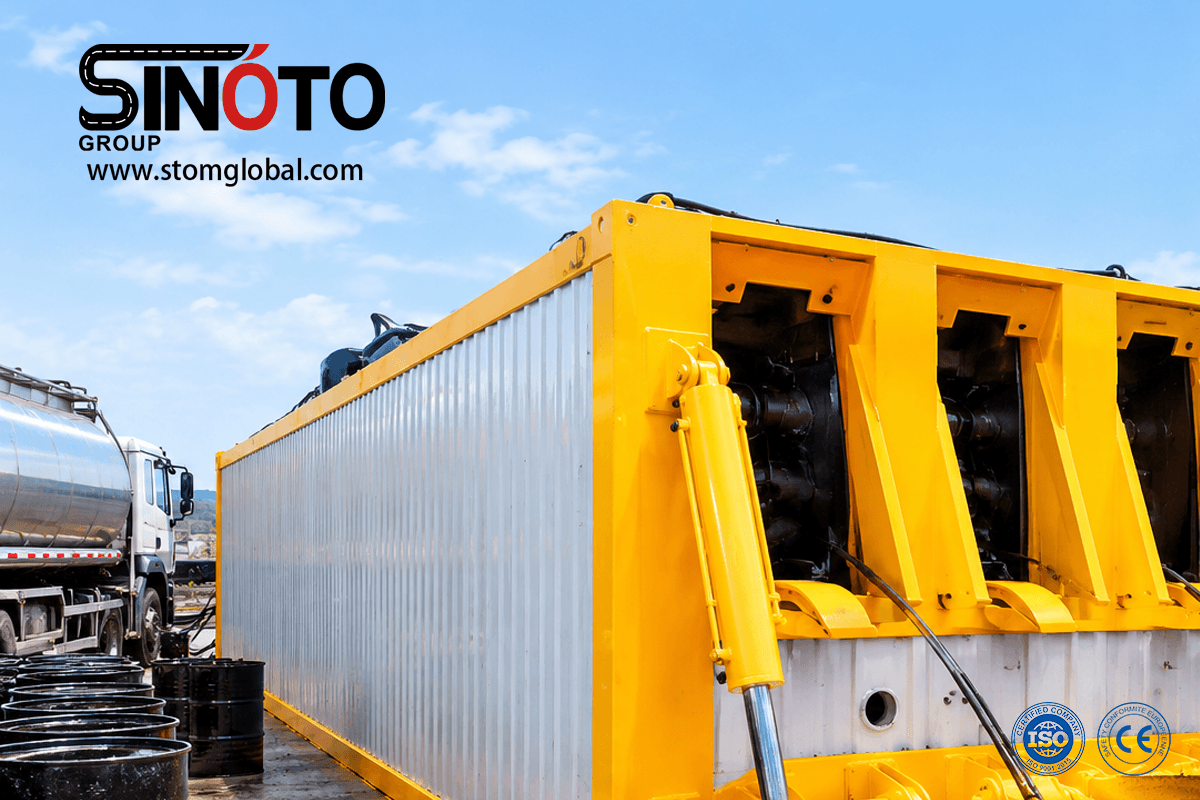
For outdoor, space-constrained job sites, a compact barrels bitumen melting machine is the practical choice. Compact models are engineered with a shorter footprint and modular sectioning, meaning the whole unit — main body, feeding system, heating system, and extraction system — can often be split for standard 40ft HQ container shipping and reassembled on-site without heavy cranes.
Key traits that matter for outdoor field deployment:
| Feature | Why It Matters On-Site |
|---|---|
| Compact modular frame | Fits tight urban or rural staging areas |
| Enclosed heating chamber | Reduces heat loss and open-flame risk outdoors |
| Hydraulic barrel feeding | Cuts manual handling in exposed weather |
| Skid-mounted or towable base | Faster relocation between work zones |
An intelligent barrels bitumen melting machine takes this further by layering in PLC-based automatic temperature and pressure control, plus a high-temperature alarm system. For traffic road renovation work — where lane closures are time-boxed and downtime is expensive — this automation reduces the operator judgment calls that traditionally slowed batch turnaround.
Cold-region engineering brings two compounding risks: bitumen viscosity spikes as ambient temperature drops, and any seal or joint weakness becomes far more likely to crack or leak under thermal cycling. An anti-leakage barrels bitumen melting machine addresses this through:
For teams running long distance paving operations across multiple cold-climate sites, pairing an anti-leakage unit with a quick melt barrels bitumen melting machine cycle (commonly a 40–60 minute melt time per drum using a high-temperature thermal oil coil) helps keep paving trains supplied without bitumen sitting idle and losing workable temperature.
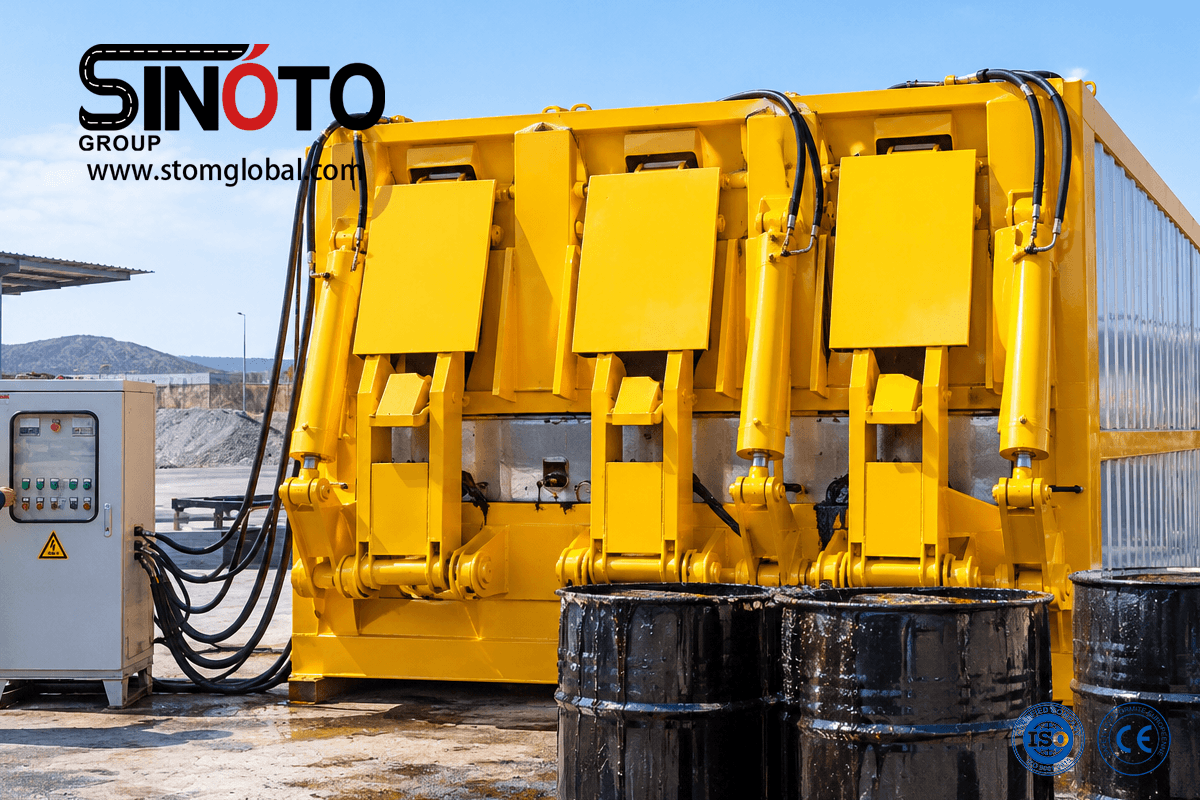
Single-drum melters simply cannot keep pace with emergency road repair or continuous municipal resurfacing schedules. A multi barrel batch production heat preservation barrels bitumen melting machine is designed around continuous throughput: drums are fed via one or more feeding rails, melted in sequence, and the emptied shells are ejected automatically while the next batch loads — an uninterrupted cycle rather than a stop-start manual process.
Below is a representative capacity range across common model tiers:
| Model | Capacity (t/h) | Drums Accommodated | Bitumen Pool Volume (m³) | Total Power (kW) |
|---|---|---|---|---|
| Entry-tier | 4–5 | 30 | 14 | 9.5 |
| Mid-tier | 6–8 | 40 | 17 | 18.5 |
| High-output | 8–10 | 44 | 18 | 20.5 |
| Heavy-duty | 12–15 | 60 | 22 | 20.5 |
A few buyer-side takeaways from this table:
Fuel and power budgets are often the deciding factor for contractors working on rural road building and chip seal construction in regions with limited grid access or higher fuel costs. A low consumption barrels bitumen melting machine typically achieves efficiency through:
For factory supply barrels bitumen melting machine programs feeding multiple africa road works contracts, this efficiency compounds — lower diesel/gas draw per batch directly reduces the landed cost of resurfacing over a multi-site rollout, and a portable barrels bitumen melting machine format keeps logistics manageable between remote sites lacking permanent depot infrastructure.
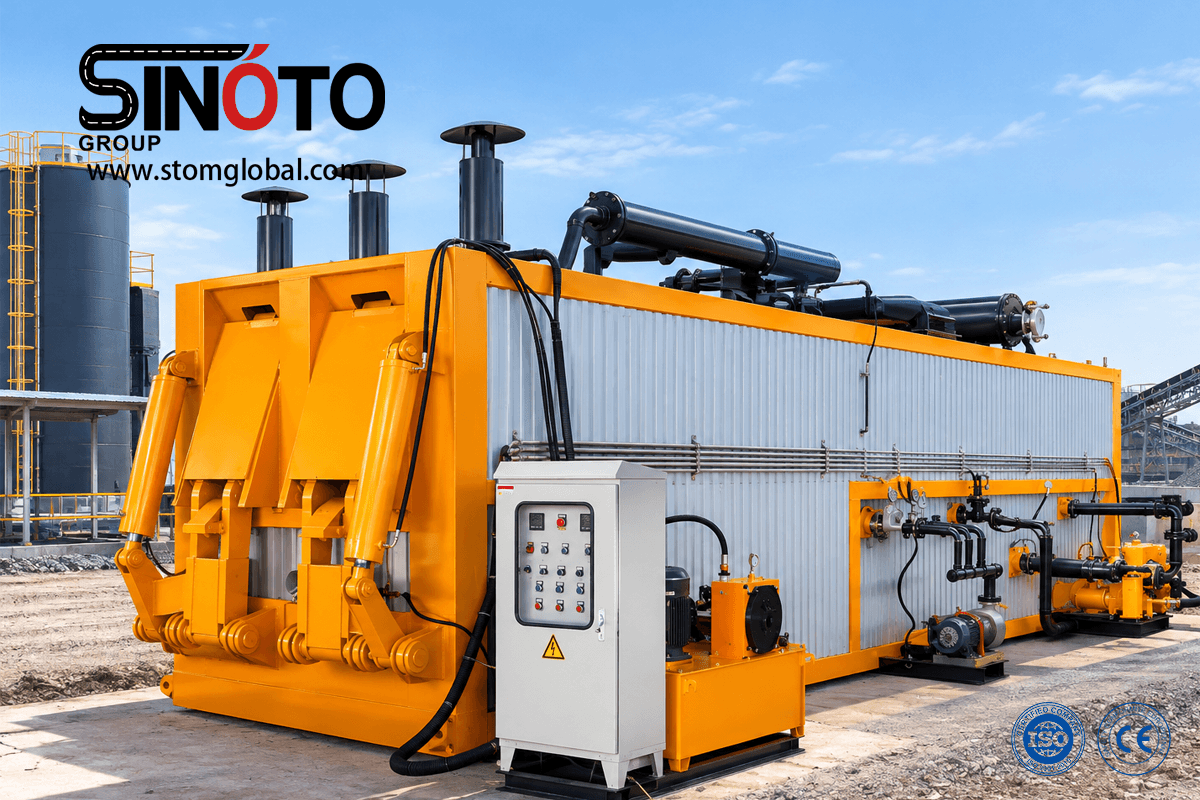
A well-specified barrels bitumen melting machine — whether compact, intelligent, anti-leakage, or a heavy-duty multi-barrel unit — should be evaluated on more than throughput alone. Confirm the residue-handling stage (strainer/filtration options), the heating method suited to your fuel access, and the pool/output capacity matched to your paving train’s demand. These details, more than headline tonnage figures, determine whether the machine performs reliably across a full construction season.
Ready to match a bitumen decanter configuration to your project’s drum volume, fuel source, and climate conditions? Request a Free Quote and Technical Consultation →

Whatsapp ID: 8619059581045

WeChat ID: +8619059581045

