Infrastructure buyers evaluating road-building equipment almost always start with the same question: how much can it produce per hour, and will that output match my project’s tonnage schedule? For a Crumb Rubber Modified Bitumen Plant, the answer isn’t a single number — it’s a range of engineered options built around your paving volume, tire-recycling goals, and long-term maintenance budget. This guide breaks down capacity, cost drivers, and the buyer questions that matter most before you request a quote.
ℹ️ Quick Answer: A standard crumb rubber modified bitumen plant is available in 6, 10, and 15 tons-per-hour (tph) configurations, with the 10 tph rubber asphalt plant being the most commonly ordered model for mid-size highway contractors and municipal road departments.
A crumb rubber modified bitumen plant is a specialized processing system that blends crumb rubber — reclaimed from scrap and waste tires — with base asphalt binder under high heat and high-shear mechanical mixing. The result is rubberized asphalt, a composite binder with markedly better elasticity, aging resistance, and temperature performance than conventional bitumen.
The production sequence typically runs through five integrated systems:
🔧 Buyer tip: Ask any supplier how they solve rubber-particle settling. Reputable manufacturers use anti-settling agitation systems with high-torque paddles to keep crumb rubber suspended during the 45–60 minute digestion cycle — without this, binder quality is inconsistent from batch to batch.
This is functionally similar to a polymer modified bitumen (PMB) production line, except a crumb rubber modified asphalt plant adds dedicated rubber digestion tanks and rubber-specific bitumen pumps engineered for thicker, more viscous material flow.
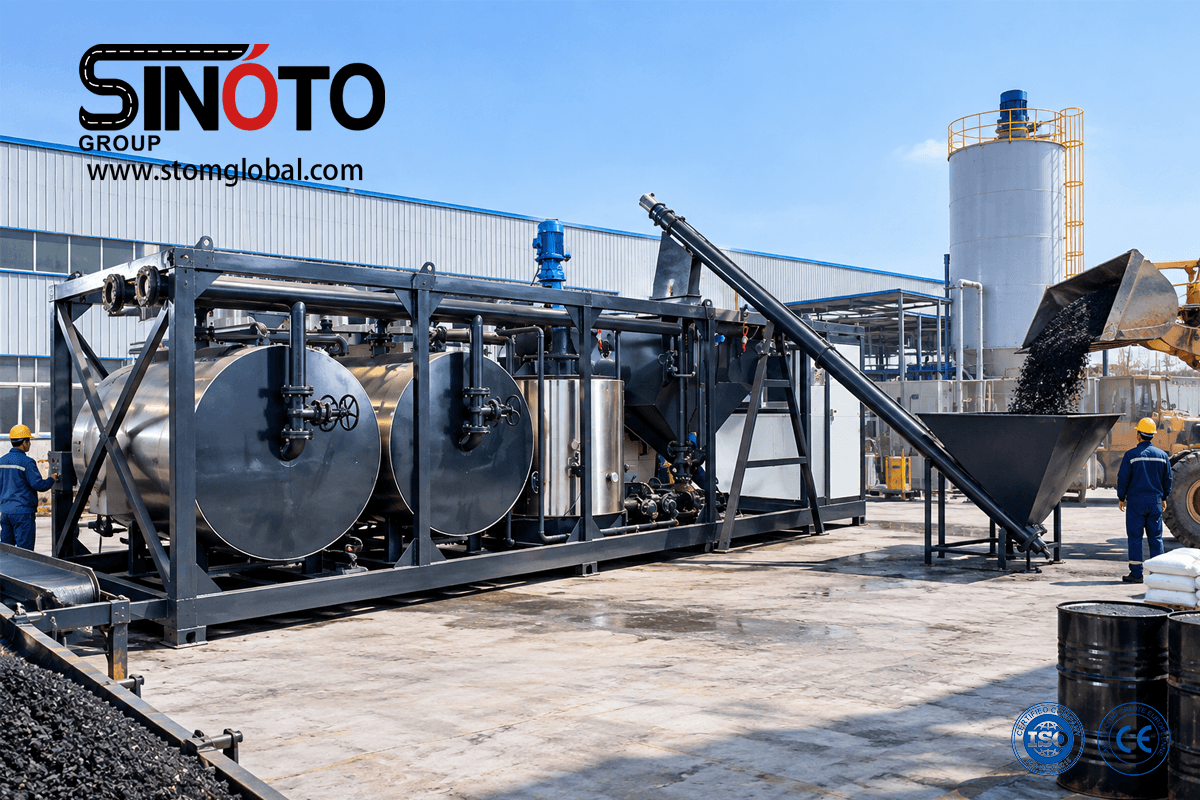
This is the core buyer question, and manufacturers typically offer three standard tiers. Below is a comparison of the most common configurations found in a modern rubber modified bitumen plant for sale lineup.
| Model | Capacity | Mixer Motor Power | Rapid Mixing Tank | Rubber Powder Silo |
|---|---|---|---|---|
| CRMB-6 | 6 t/h | 5.5 kW | 1.5 m³ | 4 m³ |
| CRMB-10 (10 tph rubber asphalt plant) | 10 t/h | 7.5 kW | 2 m³ | 6 m³ |
| CRMB-15 | 15 t/h | 11 kW | 2.5 m³ | 5 m³ × 2 |
All three models share a common Rubber Bitumen Pump rated at 30 m³/h with 7.5 kW frequency-converting control, and each uses an automated control system that continuously monitors bitumen temperature, flow rate, rubber powder weight, and mixture liquid level.
📌 From the technical spec sheet: “The equipment can operate continuously for 24 hours,” thanks to a spiral plate heat exchanger that raises asphalt temperature quickly enough to eliminate batch-interval downtime — a critical factor for contractors running tight paving schedules.
Choosing between the 6, 10, and 15 tph models generally comes down to three factors: your daily paving tonnage target, whether the plant will serve a single job site or a central production hub supplying multiple crews, and your available crumb rubber feedstock supply from tire recycling operations.
Beyond raw output numbers, buyers are increasingly driven by three converging trends: tighter environmental regulation on tire recycling, rising demand for longer-lasting highway construction materials, and government incentive programs that favor recycled-content pavement.
Key purchase drivers reported by contractors and DOT procurement teams:
A crumb rubber modified asphalt plant also supports modular, containerized design for easier transport and installation — most units connect via pipeline and power hookup alone, without extensive civil works, which shortens commissioning time on remote highway projects.
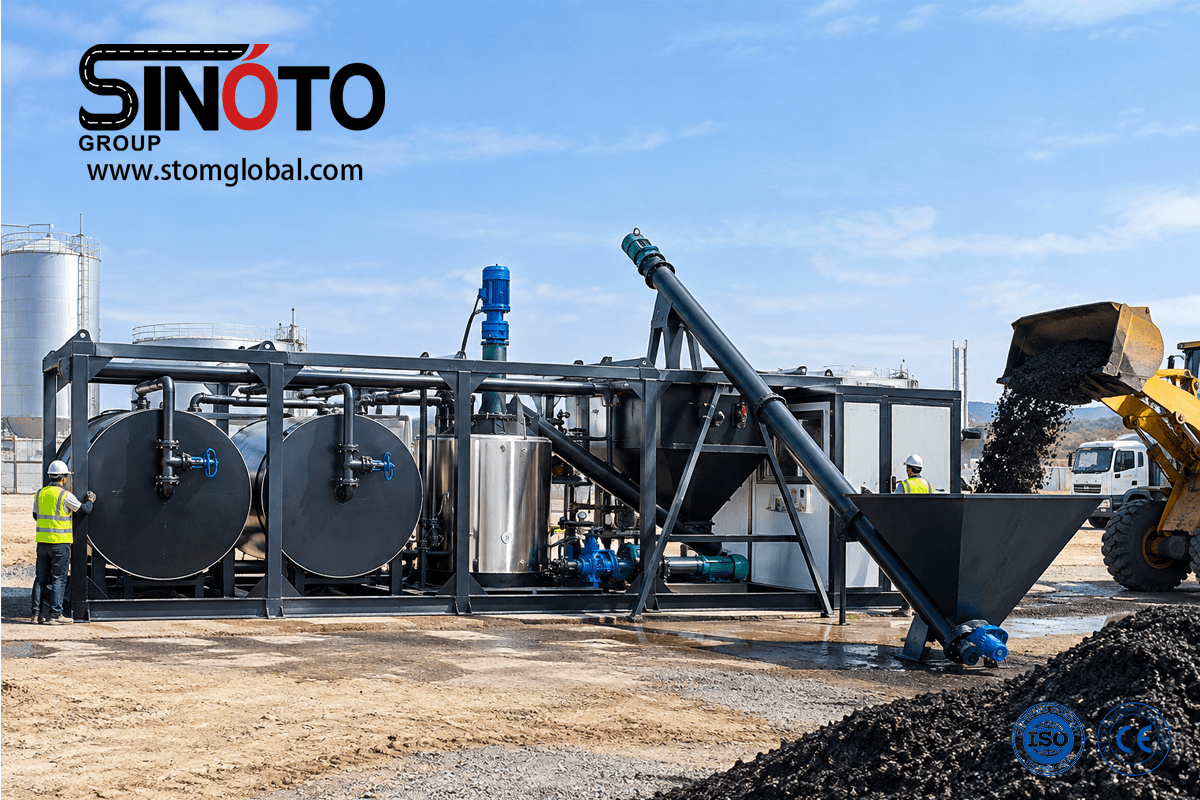
The crumb rubber asphalt plant price varies significantly based on capacity tier, automation level, and optional components. Buyers requesting quotes should expect pricing to reflect the following variables:
💰 Cost-of-ownership perspective: While initial equipment investment and rubber-modifier material costs may run slightly higher than conventional systems, waste rubber powder typically costs less than SBS or other polymer modifiers — especially at scale. Combined with a longer pavement service life and fewer maintenance cycles, total life-cycle cost frequently favors the rubberized asphalt plant over time.
Buyers comparing a rubber modified bitumen plant price across suppliers should request itemized quotes covering the base unit, control system, optional reactors, and installation/commissioning support — line-item comparisons prevent underestimating true landed cost.
In field applications, rubberized asphalt produced by a CRMB plant is used across three structural layers:
For agencies managing pavement preservation programs, the appeal is straightforward: rubberized overlays and chip seals extend the interval between full-depth reconstructions, lowering lifecycle maintenance spend across a road network. For new highway construction, rubber-modified binder improves resistance to both summer rutting and winter thermal cracking — a dual benefit that conventional straight-run bitumen cannot match.
🔩 Modular advantage: The plant’s compact, containerized layout — complete with rock wool-insulated bitumen and thermal oil piping — allows road agencies to relocate production capacity between project sites as paving schedules shift, rather than committing to a single fixed location.
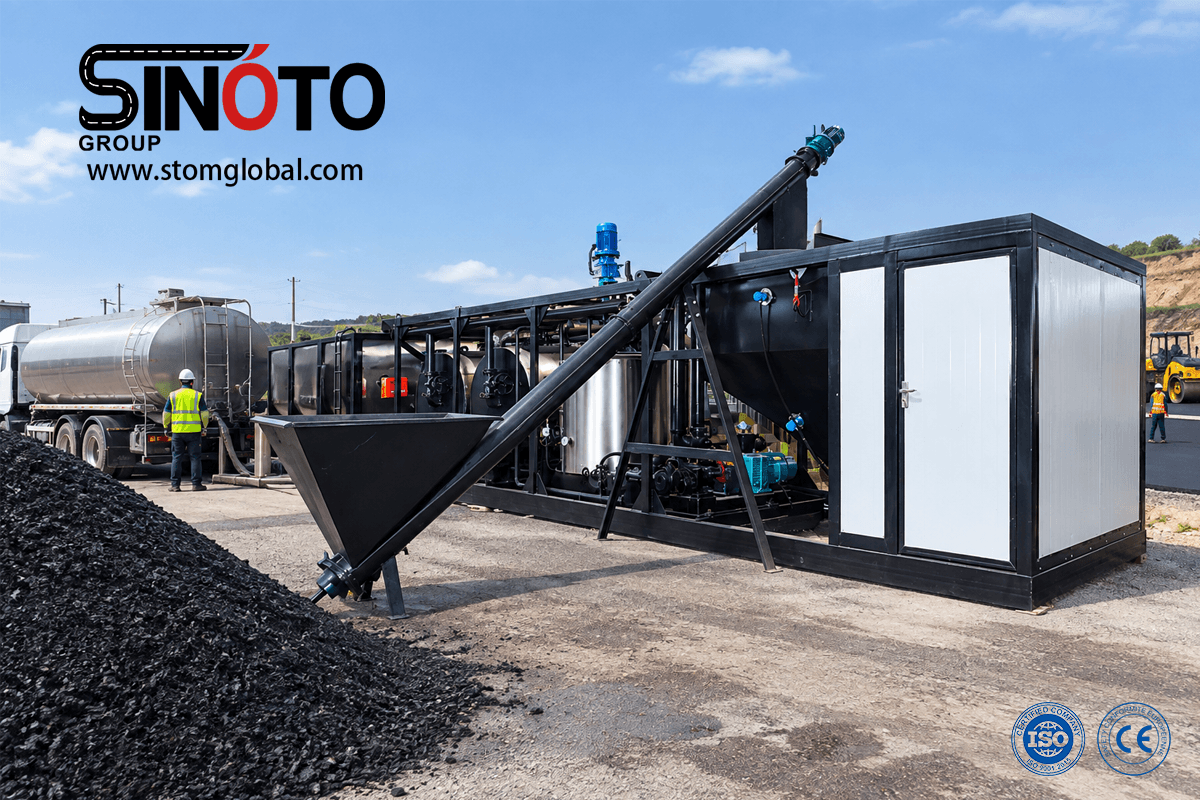
Whether you need a compact 6 tph unit for a regional resurfacing contract or a high-output 15 tph crumb rubber modified bitumen plant for a multi-lane highway program, the right configuration depends on your daily tonnage target, rubber feedstock supply, and automation requirements.
👉 Request a Free Quote and Technical Consultation — get capacity recommendations, current crumb rubber asphalt plant price estimates, and delivery timelines tailored to your project.
#CrumbRubberModifiedBitumenPlant #RubberizedAsphalt #TireRecycling #HighwayConstruction #PavementPreservation #CRMBPlant

Whatsapp ID: 8619059581045

WeChat ID: +8619059581045

