A practical guide to reaction times, process control, and buyer decision-making for a Crumb Rubber Modified Bitumen Plant
If you are sourcing a crumb rubber modified bitumen plant for a highway project, a pavement preservation program, or a tire-recycling initiative, one question comes up in almost every technical discussion: how long does it actually take for crumb rubber to “digest” — or swell and blend — into hot bitumen? The answer determines your production cycle time, your equipment sizing, and ultimately your cost per ton of rubberized asphalt. This article breaks down the science, the equipment design, and the buying considerations behind digestion time, so you can evaluate a rubber modified bitumen plant for sale with confidence.
💡 Quick Answer: In a properly engineered crumb rubber modified asphalt plant, digestion typically takes 45–60 minutes at controlled high temperature, allowing the rubber powder to swell, absorb the lighter oil fractions of the bitumen, and form a homogeneous, elastic binder.
Digestion — sometimes called the “reaction” or “development” phase — is the chemical and physical heart of rubberized asphalt production. Inside a rubberized asphalt plant, crushed crumb rubber (usually derived from waste tires through tire recycling) is dosed into heated base bitumen under continuous high-shear agitation.
During this stage, three things happen simultaneously:
This is fundamentally different from simply stirring rubber into hot asphalt. Without proper digestion time and shear energy, the rubber particles remain undissolved lumps that never develop the elasticity, rutting resistance, or crack recovery that a true crumb rubber modified asphalt plant is designed to produce. The equipment’s rapid heat exchanger — often capable of raising bitumen temperature by more than 50°C quickly — is what makes a short, controlled digestion cycle possible instead of an open-ended, unpredictable one.
📊 Infographic snapshot: Digestion is not “mixing.” It is a controlled three-stage reaction — swelling → softening → homogenization — that transforms loose rubber powder into a stable, road-ready binder.
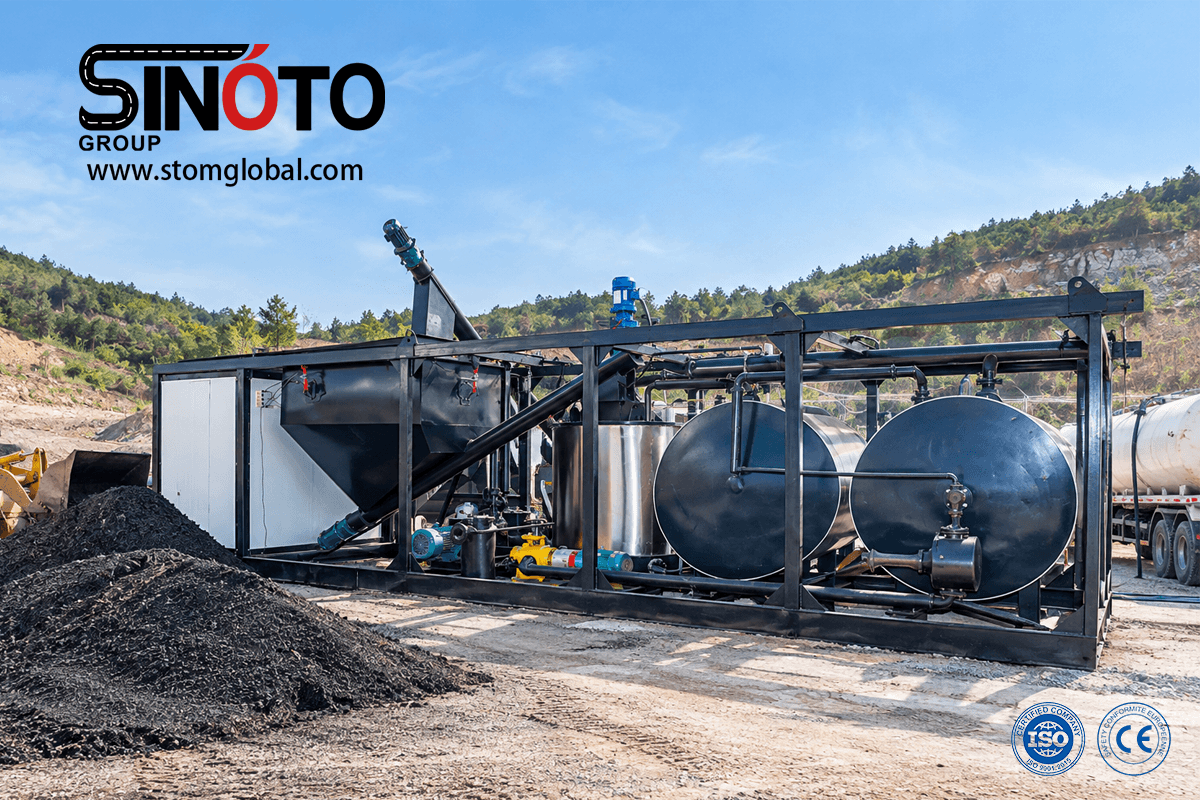
The industry-standard digestion window for crumb rubber modified bitumen plant operations is 45 to 60 minutes, monitored by a PLC-controlled reaction cycle that tracks both temperature and time simultaneously. This range is not arbitrary — it reflects the time needed for rubber particles of typical mesh size (30–80 mesh) to fully absorb oils and swell without over-degrading under prolonged heat exposure.
Below is a general reference table showing how digestion time interacts with plant capacity and reactor configuration on a typical 10 tph rubber asphalt plant and its larger and smaller counterparts.
| Model | Capacity | Mixing Tank / Reactor Volume | Typical Digestion Time | Mixer Motor Power |
|---|---|---|---|---|
| CRMB-6 | 6 t/h | 1.5 m³ mixing tank, 10 m³ reactor (optional) | 45–60 min | 5.5 KW |
| CRMB-10 | 10 t/h | 2 m³ mixing tank, 15 m³ reactor (optional) | 45–60 min | 7.5 KW |
| CRMB-15 | 15 t/h | 2.5 m³ mixing tank, 20 m³ reactor (optional) | 45–60 min | 11 KW |
Note the digestion time stays roughly constant across capacities — what changes is reactor volume and throughput, so higher-capacity plants process more tons within the same reaction window rather than shortening the chemistry. This is why buyers comparing crumb rubber asphalt plant price across models should look closely at reactor sizing, not just headline tonnage, when estimating daily output.
Not every rubber modified bitumen plant for sale performs the same digestion cycle in the same way. Several variables shift the actual time required:
“The PLC-controlled reaction cycle monitors temperature and duration together — typically 45–60 minutes — allowing the rubber powder to swell properly and creating a binder with superior elasticity and recovery.”
For buyers evaluating a rubber modified bitumen plant price, it’s worth asking suppliers directly how their control system manages these variables. A plant with only manual temperature control will struggle to hold consistent digestion times across shifts, while an automated system (PLC + industrial computer, frequency-converted asphalt pumps, dual thermal-oil regulation) keeps digestion predictable even during 24-hour continuous operation.
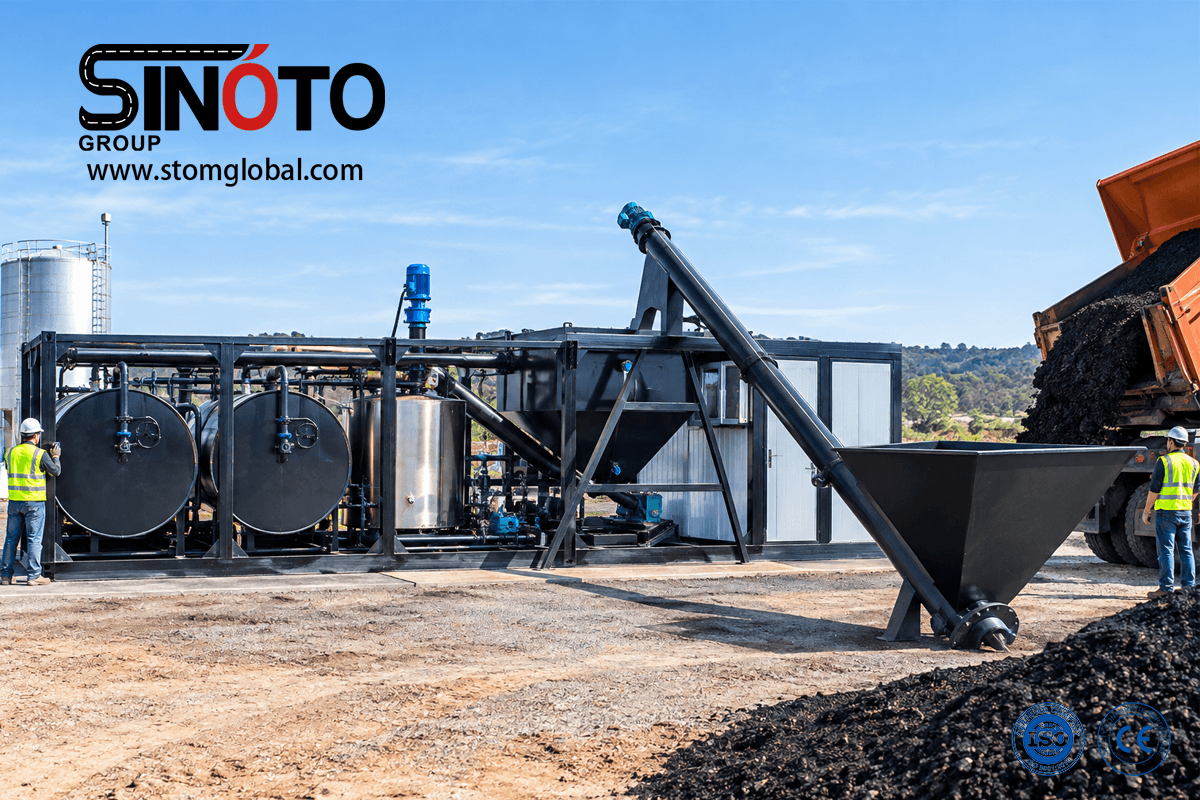
Digestion time isn’t just a production metric — it’s directly tied to road performance. Under-digested rubberized asphalt behaves inconsistently in the field: it may show poor compaction, uneven texture, or premature rutting. Properly digested rubberized asphalt delivers the performance gains that make it a preferred material for demanding infrastructure work.
Key performance benefits tied to correct digestion include:
From a lifecycle-cost perspective, agencies running pavement preservation programs increasingly favor rubberized asphalt because, although material and initial equipment costs can be slightly higher than conventional binder, the extended pavement life and reduced maintenance cycles lower the total cost over the road’s lifetime. This is a major reason crumb rubber modified asphalt plant adoption continues to grow across highway agencies and municipal contractors worldwide.
Digestion time is one technical detail among several that should guide your purchasing decision. When comparing crumb rubber asphalt plant price quotes from different manufacturers, consider:
Whether you need a compact 6 tph unit for a regional contractor or a 15 tph system for large-scale highway supply, matching digestion capability to your project’s daily tonnage target is the single biggest factor in getting real value from your investment — not just the sticker price.
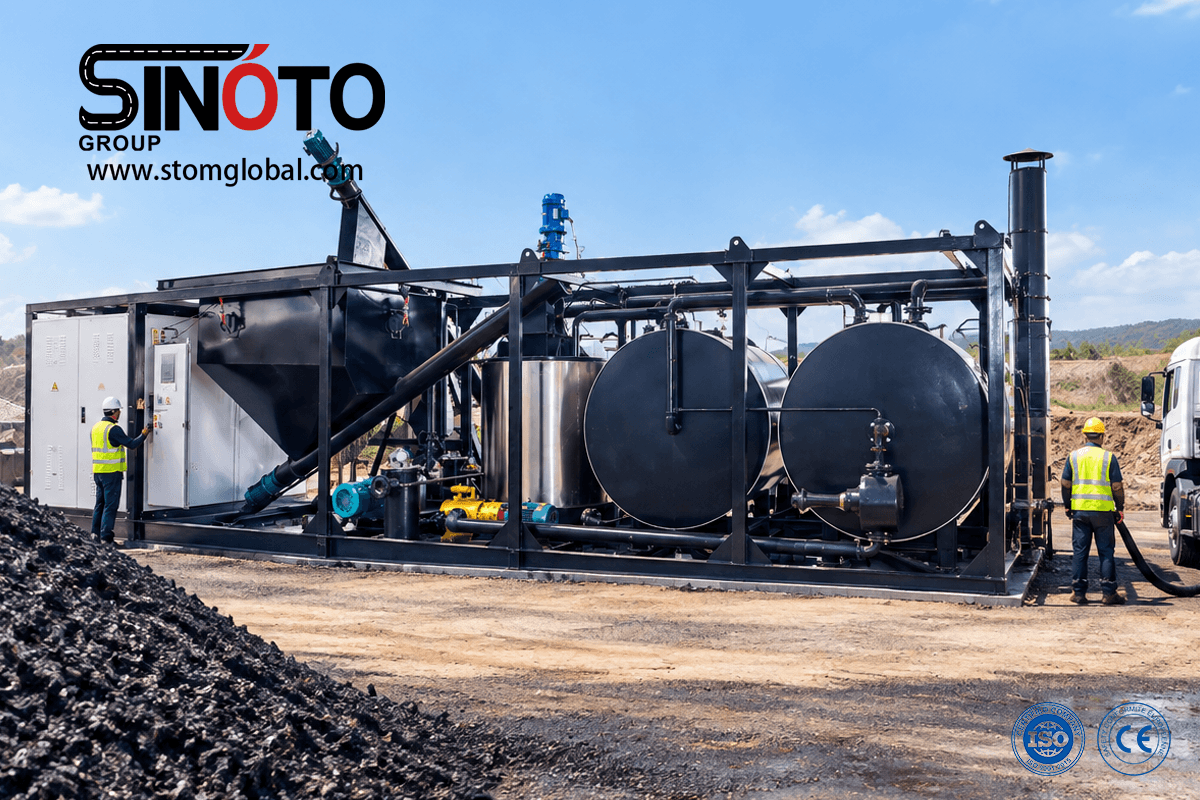
Ready to specify the right crumb rubber modified bitumen plant for your project?
👉 Request a Free Quote & Technical Consultation
#CrumbRubberModifiedBitumenPlant #RubberizedAsphalt #TireRecycling #HighwayConstruction #PavementPreservation #AsphaltEquipment

Whatsapp ID: 8619059581045

WeChat ID: +8619059581045

