Selecting an asphalt mixing plant is one of the biggest equipment decisions a road contractor will make. If the unit is too small, your paving crew waits for material while trucks queue on site. If it is too large, you pay for fuel, power and capital that never earn a return. This guide explains how to size a continuous asphalt plant correctly, using the real specifications of the SINOTO DHB/MDHB series, which delivers up to 120 tph.
💡 Key Takeaway: Choose capacity based on what your paver can lay and your trucks can haul every hour, not on the biggest number in a brochure.
📌 At a Glance
| ⚡ Capacity | 🔊 Noise Level | ⛽ Fuel Options | 🚚 Configurations |
|---|---|---|---|
| 60–120 t/h | ≤70 dB | Diesel, heavy oil, fuel oil, coal, natural gas | Fixed (DHB) and mobile (MDHB) |
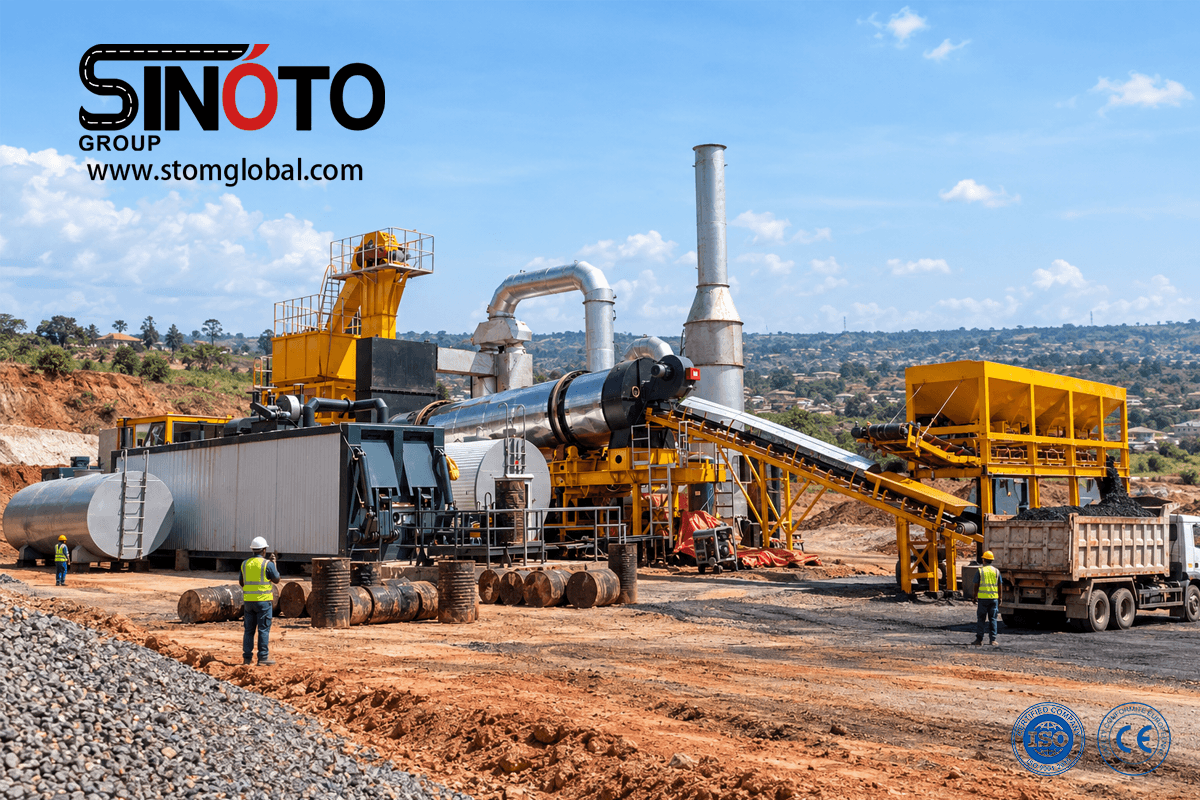
In a continuous asphalt plant, aggregate drying, bitumen spraying and mixing all happen inside one drying drum. Production flows without the stop-and-go cycles of batching. That means the rated tph figure directly decides how much hot mix reaches your job site every hour.
Contractors evaluating a drum mix plant usually raise the same four concerns:
Getting capacity right answers all four at once. Oversizing inflates fuel and power bills. Undersizing wastes paving hours and can leave unfinished joints between shifts. Since continuous production has no batching pause, a well-matched plant also keeps mix temperature more consistent.
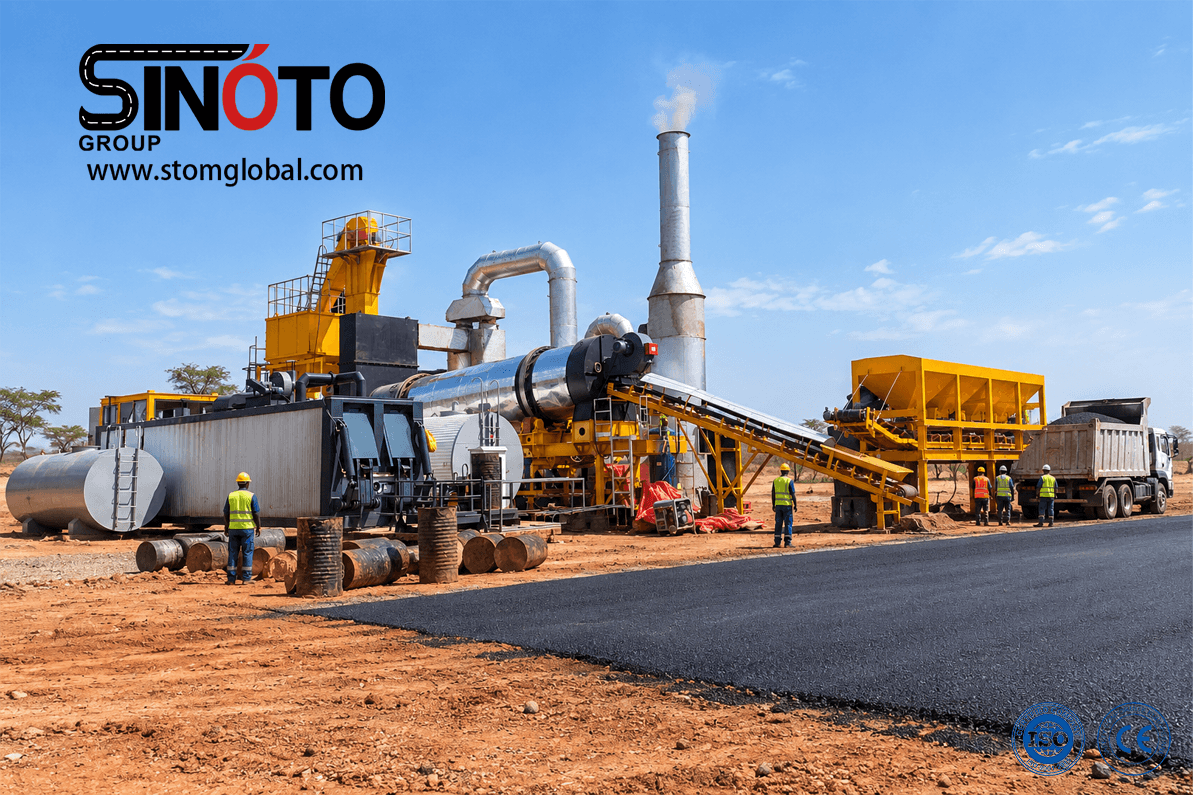
The SINOTO range covers four sizes. Each is offered as a fixed DHB plant or as an MDHB version on a semi-trailer chassis. The same capacity choices therefore apply whether you want a mobile asphalt mixing plant or a fixed installation.
| Model (Fixed / Mobile) | Capacity (t/h) | Total Power (kW) | Dryer Drum (mm) | Hot Mix Silo (m³) | Bitumen Tank (m³) |
|---|---|---|---|---|---|
| DHB60 / MDHB60 | 60 | 100 | Φ1500×6500 | 3.5 | 30 |
| DHB80 / MDHB80 | 80 | 142 | Φ1500×6650 | 4.5 | 40 |
| DHB100 / MDHB100 | 100 | 160 | Φ1600×9000 | 10 | 40 |
| DHB120 / MDHB120 | 120 | 215 | Φ1800×9000 | 10 | 40 |
Specifications are for reference only and may be adjusted by the manufacturer.
Notice how power, drum size and storage rise together. Larger models use a longer and wider drying drum and a bigger hot mix silo, which lets the plant buffer production when trucks arrive unevenly. Every model also uses frequency-inverter feeding belts for accurate cold aggregate control, and can run on manual or optional automatic computer control.
Fuel flexibility matters too. Because energy prices differ by country, a modern hot mix asphalt plant should burn whatever is cheapest and most available where you work, whether that is coal, natural gas or oil.
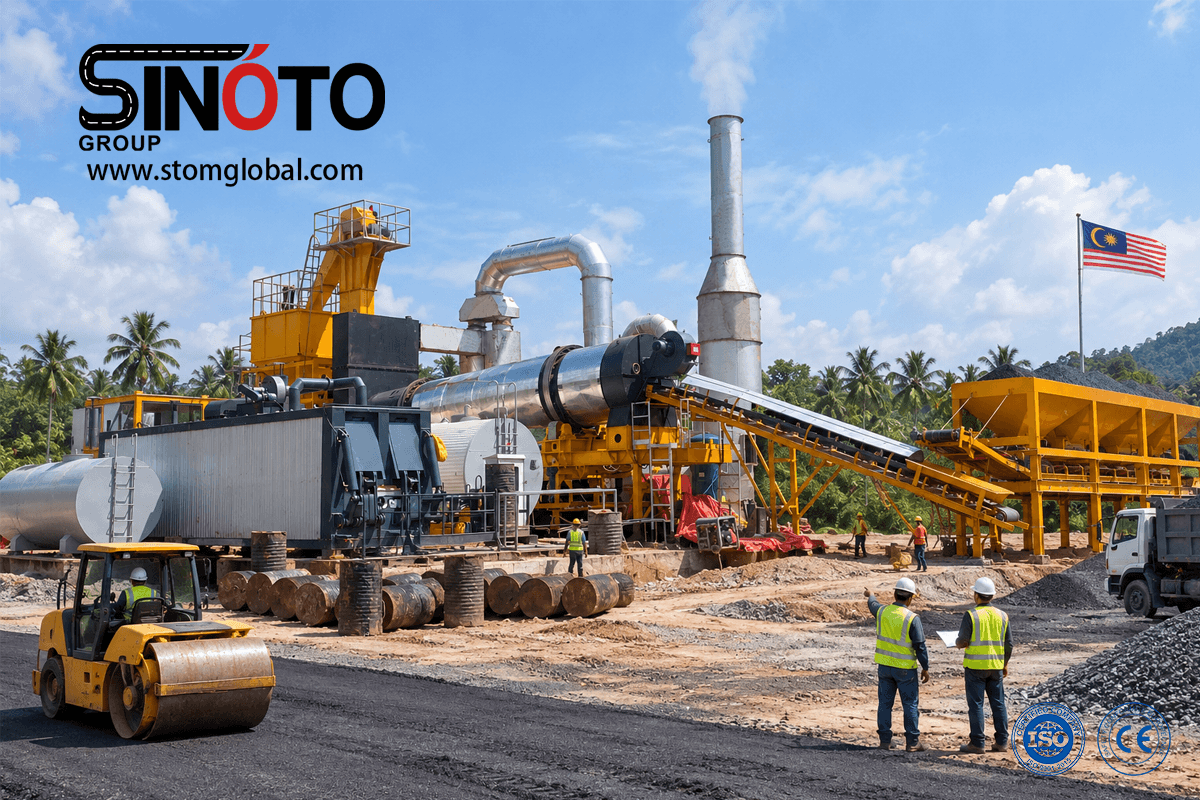
Work backwards from the paver, not forwards from the plant. Follow three steps:
In that example, the DHB100 is the natural fit. The following table gives general guidance for common project types.
| Project Type | Suggested Capacity | Suggested Model |
|---|---|---|
| Small municipal repairs, rural roads | ~60 t/h | DHB60 / MDHB60 |
| Municipal roads, county roads | ~80 t/h | DHB80 / MDHB80 |
| Larger municipal works, low-grade highways | ~100 t/h | DHB100 / MDHB100 |
| Highway base and lower layers, large contracts | ~120 t/h | DHB120 / MDHB120 |
📌 Application Note: Continuous plants suit municipal roads, low-grade highways, and the base and lower layers of high-grade highways. For other high-grade road projects or environmentally sensitive areas, a batch-type asphalt batching plant is the recommended choice.
Compared with a traditional batch design, a continuous plant offers a compact size, simple operation and lower investment, which is why international buyers favor it. For very small patching jobs, some contractors consider a mini batching plant. For steady road building, however, a drum-type hot mix plant delivers higher, uninterrupted output at a lower cost per ton.
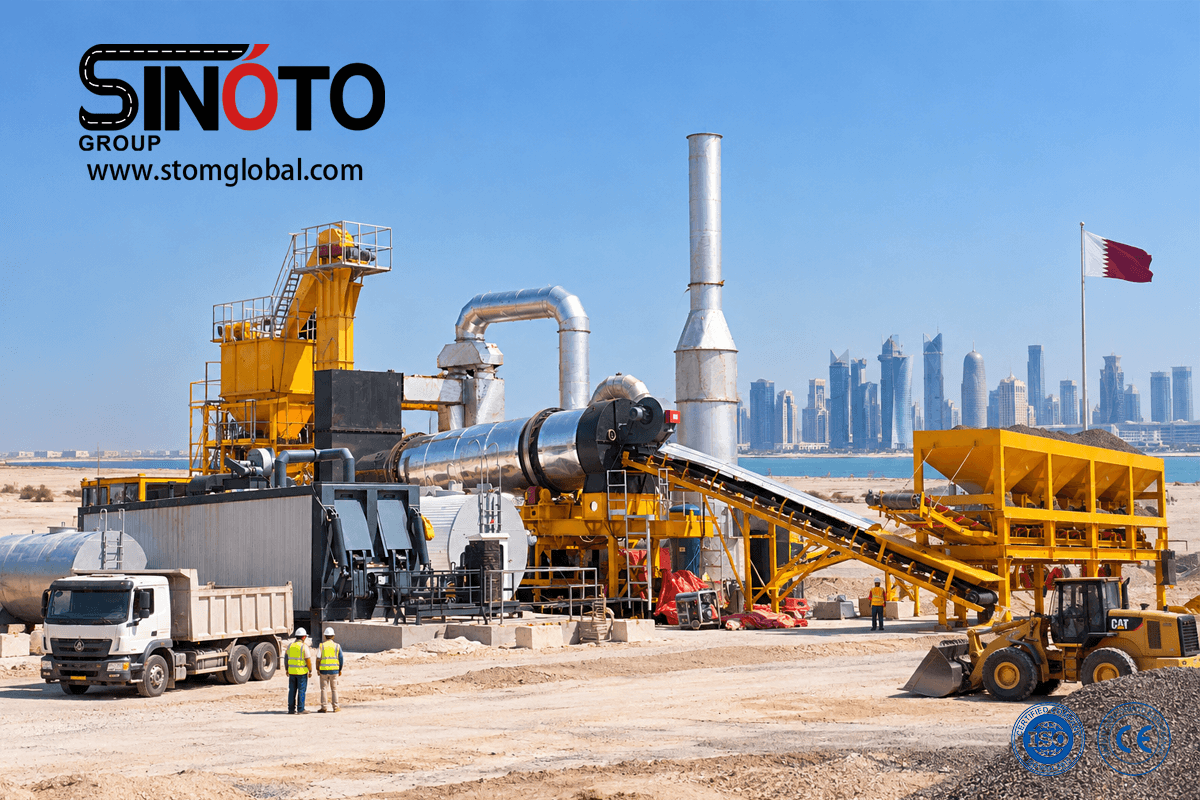
Capacity is only half the decision. The other half is how often you need to move.
If your work shifts every few months, a portable drum mix plant setup can pay for itself through saved transport and installation labor. If you stay in one place, the fixed version avoids paying for mobility you do not use.
When you compare any asphalt mixing plant for sale, ask each supplier about total cost of ownership rather than sticker price alone. That includes fuel use per ton, power consumption, relocation cost and wear part replacement. The same rule applies if you are also looking at a batch mix plant for sale or an asphalt batch plant for sale. Batch designs have their place for high-grade surfaces, but continuous plants usually win on investment and running cost.
💬 Buyer Tip: Always request the fuel type, drum size and silo volume in writing. These three details show whether a quoted capacity is realistic.
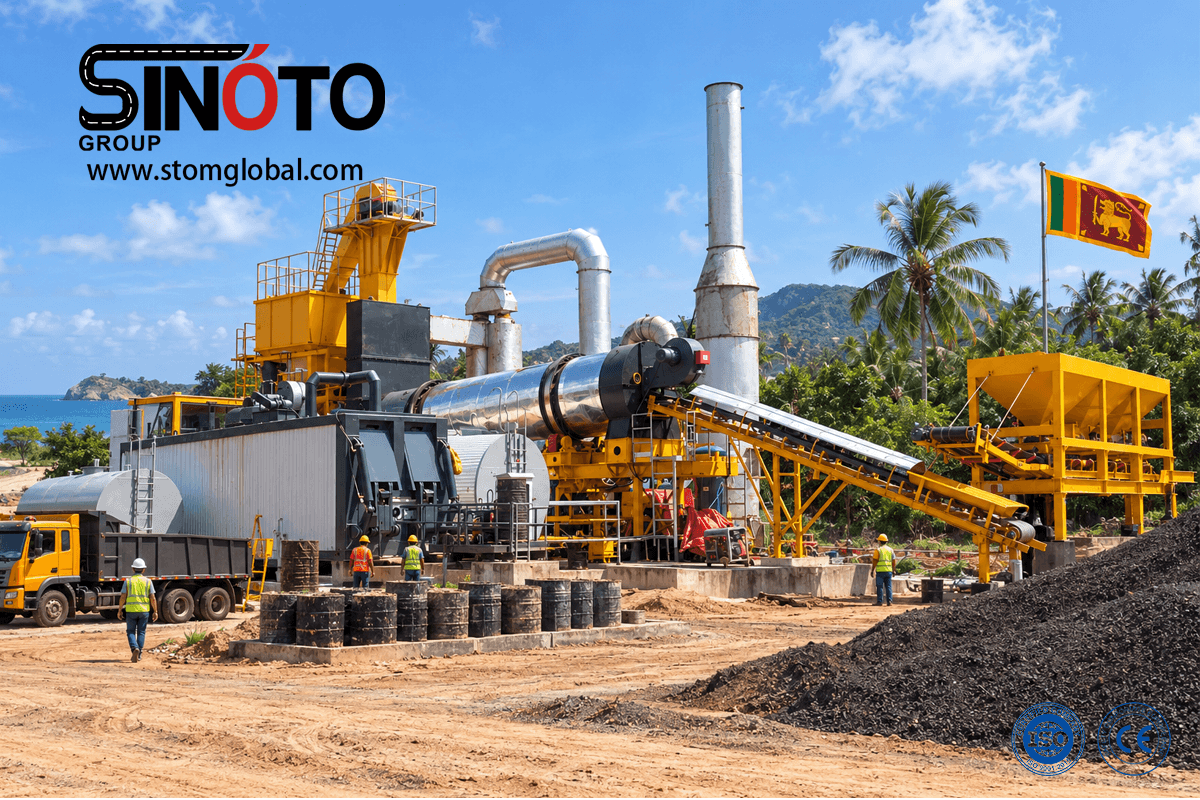
Once you know your target tph, these strengths explain why many contractors shortlist the SINOTO series:
Together, these benefits make the plant a practical asphalt drum mix plant choice for contractors who want to maximize return on large paving programs. Whichever capacity you select, the aim stays the same: match output to real paving demand, then add just enough margin for the unexpected.
Send us your paving width, layer thickness, daily target and preferred fuel. Our engineers will recommend the right model and prepare a tailored quote.
📧 info@stomglobal.com | 💬 WhatsApp: +86-190 5958 1045
#AsphaltMixingPlant #DrumMixPlant #ContinuousAsphaltPlant #HotMixAsphaltPlant #MobileAsphaltPlant #RoadConstruction

Whatsapp ID: 8619059581045

WeChat ID: +8619059581045

