If you’ve operated (or shopped for) a cement spreader before, you already know the frustration: uneven strips of cement across a subgrade, wasted material at the edges, and rework because the dosage crept up or down as the driver sped up or slowed down. It’s one of the most common questions engineers ask before buying a cement spreader truck — does spreading accuracy actually hold steady when the vehicle’s speed changes on site?
The short answer: on a properly engineered automatic cement spreader, it shouldn’t. A fully automatic control system is designed so the spreading rate — measured in kg/m² — stays locked to the value entered on the touchscreen, regardless of whether the truck creeps at 1.8 km/h through a tight radius or moves faster along an open straightaway. This article breaks down how that consistency is achieved, why it matters for soil stabilization and road base stabilization projects, and what to look for before you commit to a cement spreader for sale.
In older or manually operated powder spreader equipment, the discharge rate is often tied to a fixed gate opening or a mechanical feed that doesn’t compensate for changes in travel speed. That means:
📌 Field Reality: A crew slows down to navigate a curve or avoid an obstacle — and the cement layer thickens right at that spot, creating an inconsistent cement treated base that fails compaction testing later.
This is exactly the pain point that modern cement spreading machine design solves. The goal of automation isn’t just convenience — it’s dosage integrity across the entire pass, independent of driver behavior or terrain.
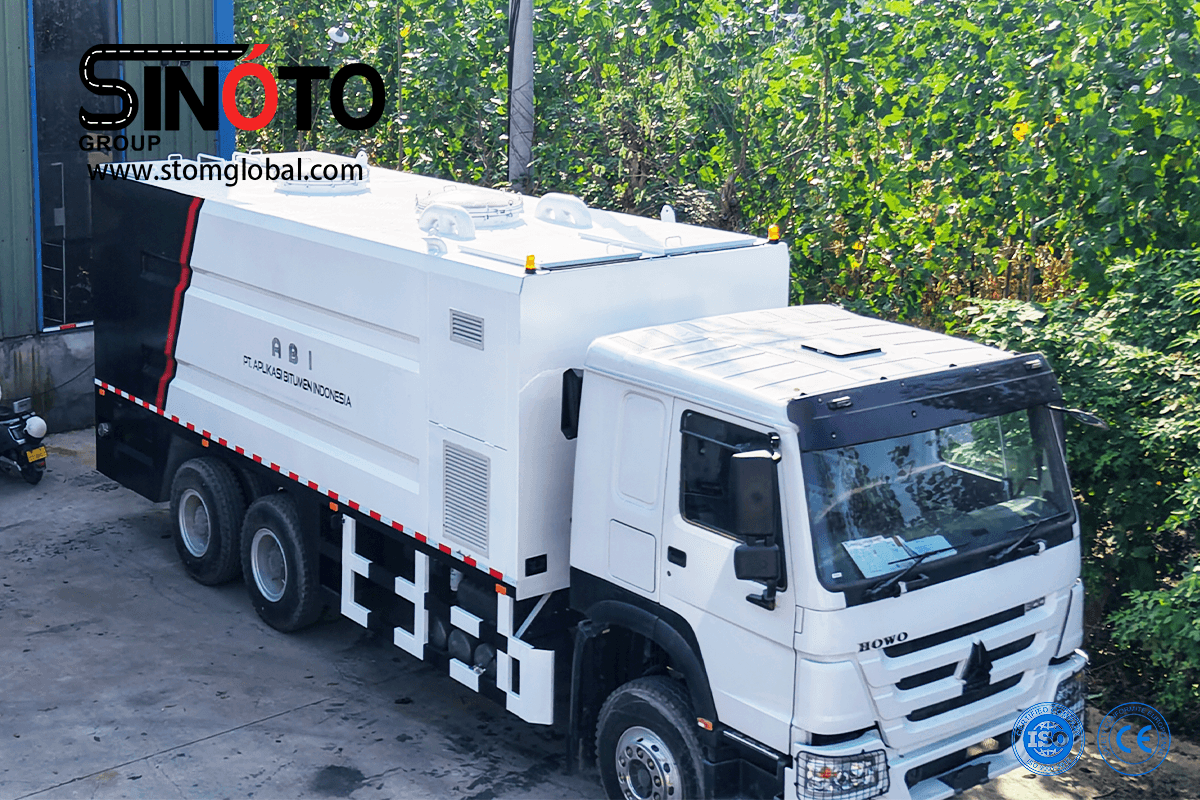
This is where the engineering actually happens. A well-built automatic cement spreader, like the HTN5251TFS platform, combines several systems working together:
The net result: spreading accuracy of ±1%, with the system automatically compensating so the spreading amount does not change with vehicle speed. That single design detail is often the deciding factor between a cement distributor that produces a uniform cement treated base and one that produces a patchwork layer needing costly rework.
| Parameter | Value |
|---|---|
| Cement Bins Capacity | 18 m³ |
| Spreading Capacity | 0.9–60 kg/m² |
| Max. Spreading Width | 2500 mm |
| Spreading Accuracy | ±1% |
| Min. Speed | ≤1.8 km/h |
| Max. Speed | 80 km/h |
| Engine Power | 257 kW (350 hp) |
| Total Weight | 23 t |
A cement spreader truck for soil stabilization needs to do more than just meter powder — it has to survive dusty, high-cycle jobsites without losing accuracy or creating an environmental hazard. Key features that support this include:
This versatility is why the same chassis-mounted cement spreading machine is used across highways, railways, and municipal infrastructure projects, not just single-purpose cement jobs.
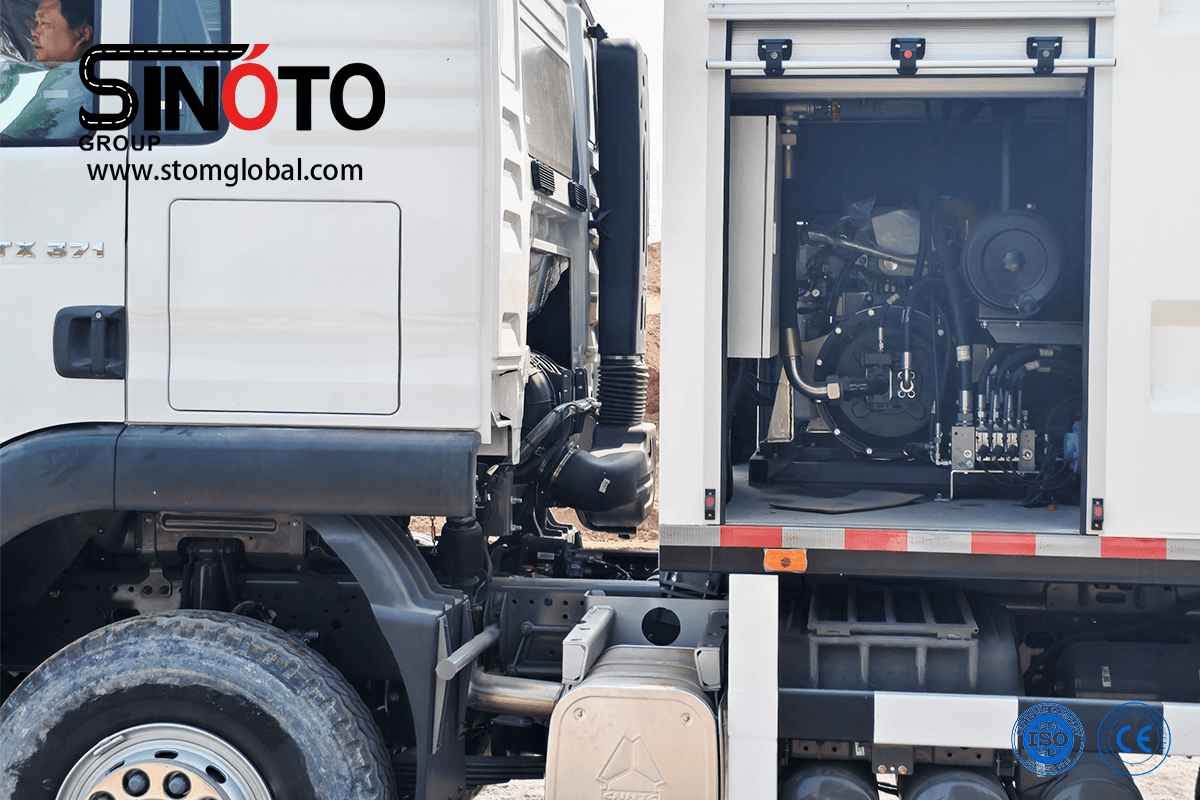
When comparing options on the market, buyers typically focus on a short list of technical and commercial questions:
Cement spreader truck price and cement distributor price vary based on tank capacity, chassis brand, hydraulic components, and control system sophistication. A fully automatic unit with a weighing system, dust suppression, and remote monitoring will cost more upfront than a basic mechanical unit — but the ±1% accuracy and reduced material waste typically offset that difference over the life of the machine, especially on large-scale road base stabilization contracts where cement overuse adds up fast.
Considering a cement spreader truck for your next stabilization or road base project? Request a Free Quote / Send an Inquiry →
#CementSpreader #CementSpreaderTruck #SoilStabilization #RoadConstruction #CementDistributor #RoadBaseStabilization

Whatsapp ID: 8619059581045

WeChat ID: +8619059581045

