When engineers evaluate a cement spreader for a soil stabilization or road base project, the very first technical question they ask is almost always about accuracy: how tightly can the machine control the amount of cement laid per square meter? Overspreading wastes material and inflates project costs; underspreading weakens the stabilized layer and risks structural failure. This is why spreading accuracy sits at the center of nearly every buyer’s decision when comparing a cement spreader truck, a cement distributor, or a general-purpose powder spreader.
Quick Answer: A modern automatic cement spreader with an onboard weighing system can achieve a spreading accuracy of ±1%, with an application rate range of roughly 0.9–60 kg/m² and a working width up to 2500 mm.
Below, we break down how this precision is achieved, what else buyers should evaluate before purchase, and how the numbers translate into real-world value on the job site.
Precision in a cement spreading machine doesn’t come from a single component — it comes from the integration of a weighing system, a conveyor, and a fully automatic controller working together in a closed loop.
📊 How it works:
This is the defining feature of an automatic cement spreader: the system does the calculating, not the driver. There’s no manual calibration step either — parameters are simply entered, and the machine self-manages the rest, which reduces material waste to near zero and keeps every stretch of a cement treated base within specification.
| Parameter | Value |
|---|---|
| Spreading Accuracy | ±1% |
| Spreading Capacity | 0.9–60 kg/m² |
| Max. Spreading Width | 2500 mm |
| Cement Bin Capacity | 18 m³ (15–25 m³ available) |
| Engine Power | 257 kW (350 hp) |
| Curb Weight / Total Weight | 15 t / 23 t |
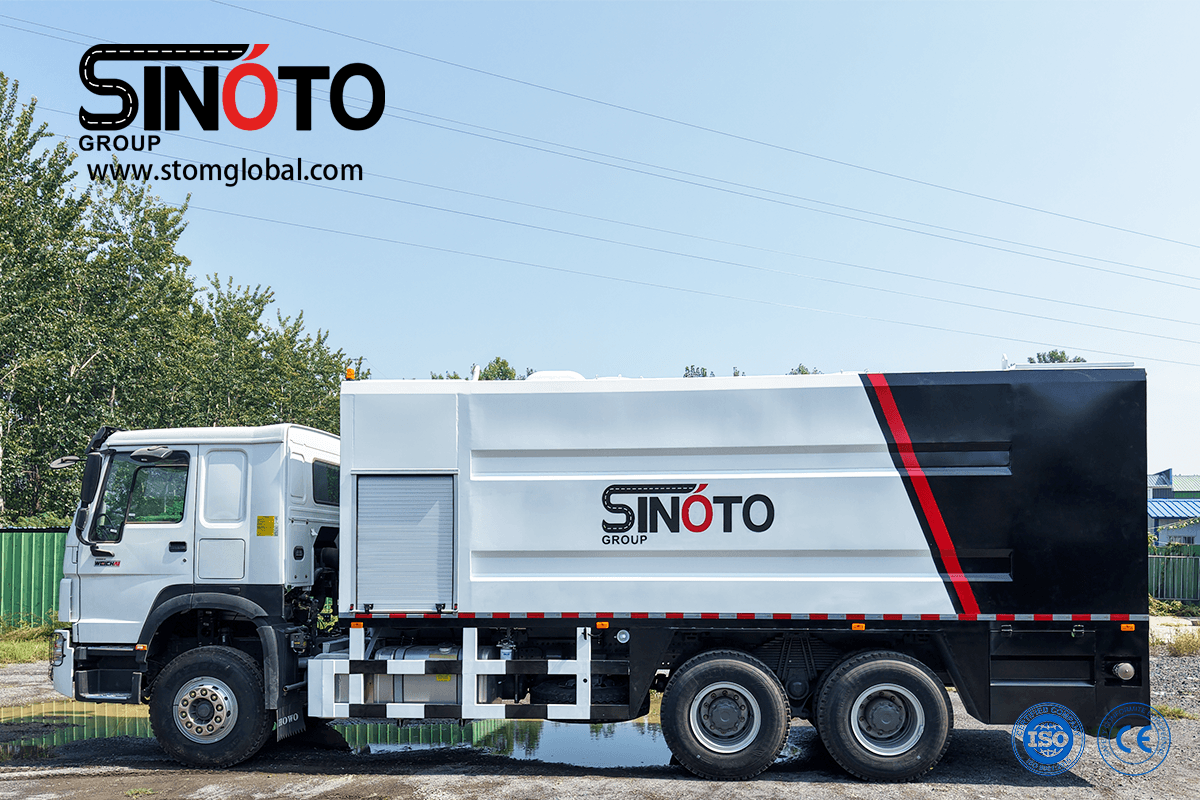
Accuracy earns attention, but it’s rarely the only line item on a procurement checklist. Buyers researching a cement spreader for sale typically weigh accuracy against four other factors:
💡 Buyer tip: Ask any supplier of a cement distributor to confirm whether the metering system requires periodic recalibration. A design that skips this step — like the arch-breaking, self-managing systems described above — saves real labor hours over a multi-year service life.
Dust control is no longer optional on most modern soil stabilization and cement treated base projects, particularly near urban corridors, schools, or environmentally regulated zones. A dust-free cement spreader typically combines:
“The dust-free cement spreader for soil stabilization is equipped with a unique bag-filter system and a low-position discharge curtain to prevent powder clouds during operation.”
For contractors bidding on cement spreader truck for soil stabilization projects that fall under environmental compliance rules, this feature is often the deciding factor between two otherwise similar machines — and it also protects operator health on long shifts.
Beyond accuracy and dust control, a complete technical review of a cement distributor should include the drivetrain, control systems, and structural build. A representative configuration includes:
⚙️ Engineering note: Because spreading rate is decoupled from truck speed and manually re-calibration is unnecessary, crews can redeploy the same cement spreading machine across different project specifications (base course, subgrade improvement, cold recycling) simply by re-entering the target rate — no mechanical adjustment required.
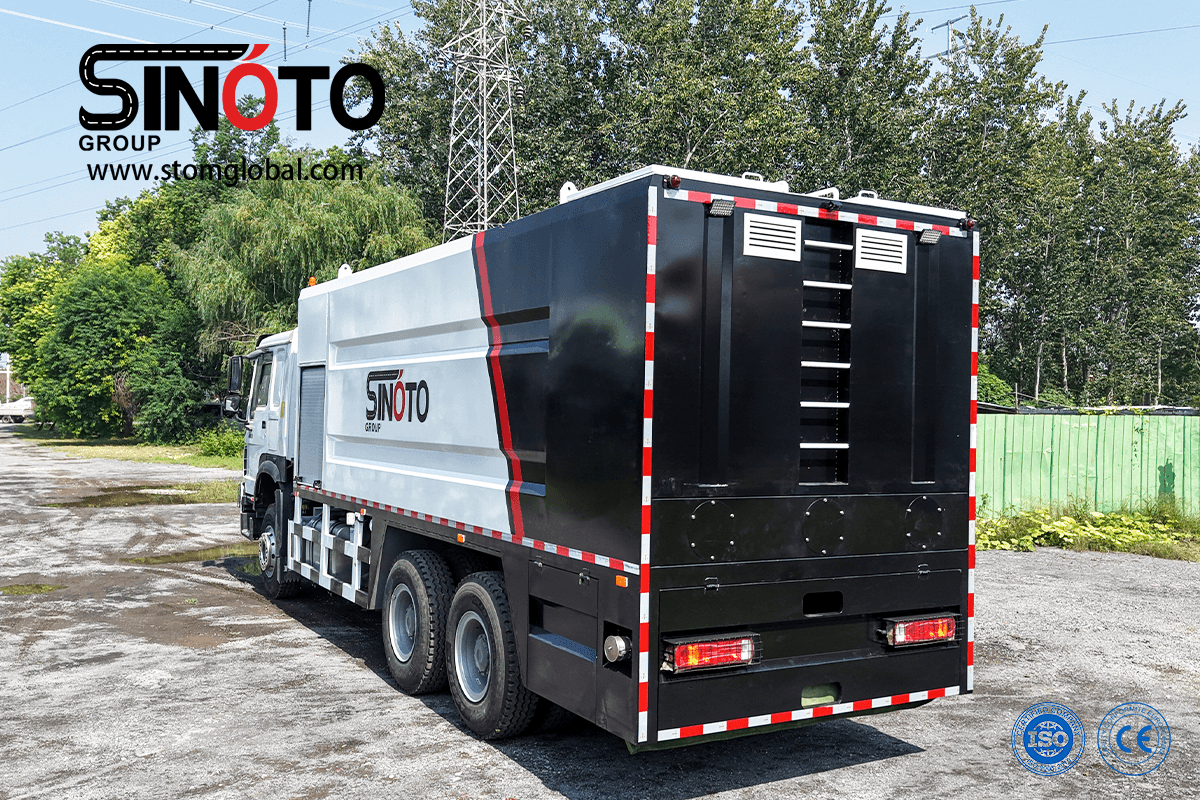
Cement spreader truck price varies with bin capacity, chassis brand, emission standard, and the level of automation included. As a general guide, buyers should expect pricing to move with:
Because cement distributor price points differ meaningfully between suppliers offering imported hydraulic components (like DANFOSS pumps and valves) versus fully domestic builds, it’s worth requesting an itemized quote rather than a single lump-sum figure — this makes it easier to compare long-term maintenance costs, not just the upfront price of the cement spreader truck.
Spreading accuracy, dust control, bin capacity, and automation all factor into which cement spreader is the right fit for your soil stabilization or road base construction project. If you’d like a configuration and price tailored to your project specifications, our engineering team can walk you through the options.
👉 Request a Free Quote for Your Cement Spreader Truck
#CementSpreader #SoilStabilization #RoadConstruction #CementDistributor #ConstructionEquipment #RoadBaseStabilization

Whatsapp ID: 8619059581045

WeChat ID: +8619059581045

