Buying heavy road-construction equipment is only half the job — knowing how to run it safely and efficiently is the other half. For contractors evaluating a cement spreader truck, one of the most common pre-purchase questions is: “Will the supplier train my operators, and is there a video tutorial I can use on-site?” This article answers that question directly while walking through what buyers should expect from a modern automatic cement spreader, based on the HTN5251TFS cement spreader machine for sale on the SINOTO Global product page.
A cement spreading machine is not a simple dump truck. It combines a weighing system, a touch-screen controller, a conveyor, a dust collector, and hydraulic spreading gates that must work together to lay powder evenly across a road base. Without proper training, operators risk uneven spreading, material waste, or damage to the arch-breaking device inside the bin.
📋 Quick facts an untrained operator often gets wrong:
This is exactly why manufacturers of a cement distributor truck build training and documentation directly into the sales process — the machine’s accuracy is only as good as the person operating it.
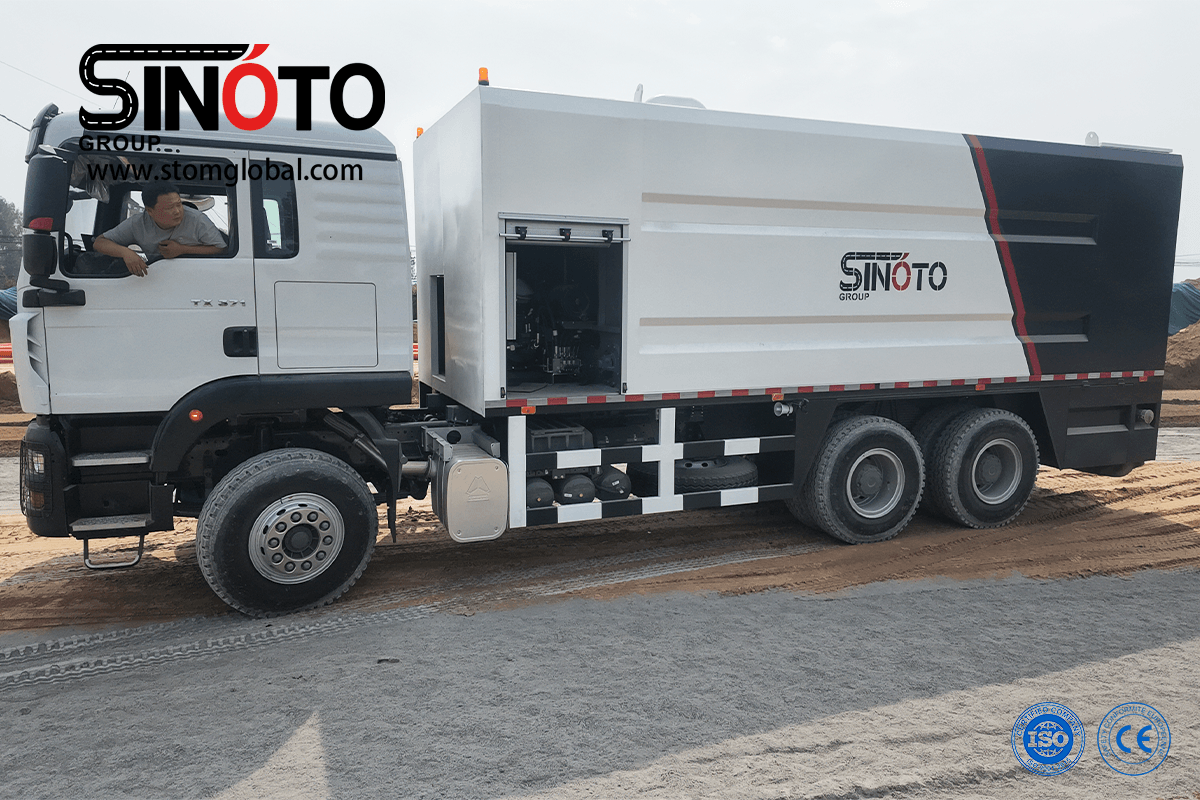 What Does Cement Spreader Truck Training Actually Cover?
Training for this cement powder spreader typically walks operators through three stages: pre-operation checks, live spreading control, and post-shift maintenance. Because the fully automatic control system keeps the spreading rate constant regardless of vehicle speed, operators mainly need to learn how to input parameters correctly and interpret the in-cab display.
💬 “The operation is simple, and the entire construction process only requires one driver.” — this is one of the core design goals behind the machine, reducing crew size while keeping spreading accuracy tight.
Key training topics usually include:
Yes. Alongside written manuals, the product page for this cement spreader includes an embedded video walkthrough of the machine in action, which buyers can use for onboarding new operators before formal on-site training begins. A short video tutorial is especially useful for teams spread across multiple job sites, since it standardizes how every driver learns to calibrate the automatic cement spreader before their first shift.
🎥 For international buyers, video-based training also solves a practical problem: language and travel constraints. Rather than flying a trainer to every site, teams can review the tutorial locally, then confirm understanding during a remote or in-person session.
Before touching the controls, operators are walked through the technical parameters so they understand the machine’s limits and capabilities.
| Item | Parameter |
|---|---|
| Model | HTN5251TFS |
| Cement Bins Capacity | 18 m³ |
| Spreading Capacity | 0.9–60 kg/m² |
| Max. Spreading Width | 2500 mm |
| Curb Weight | 15 t |
| Total Weight | 23 t |
| Overall Size | 9500×2500×4100 mm (L×W×H) |
Understanding these cement spreader truck specifications helps operators judge how much material to load, how wide a pass will cover, and how the machine handles at low speeds (as slow as ≤1.8 km/h during precise spreading work).
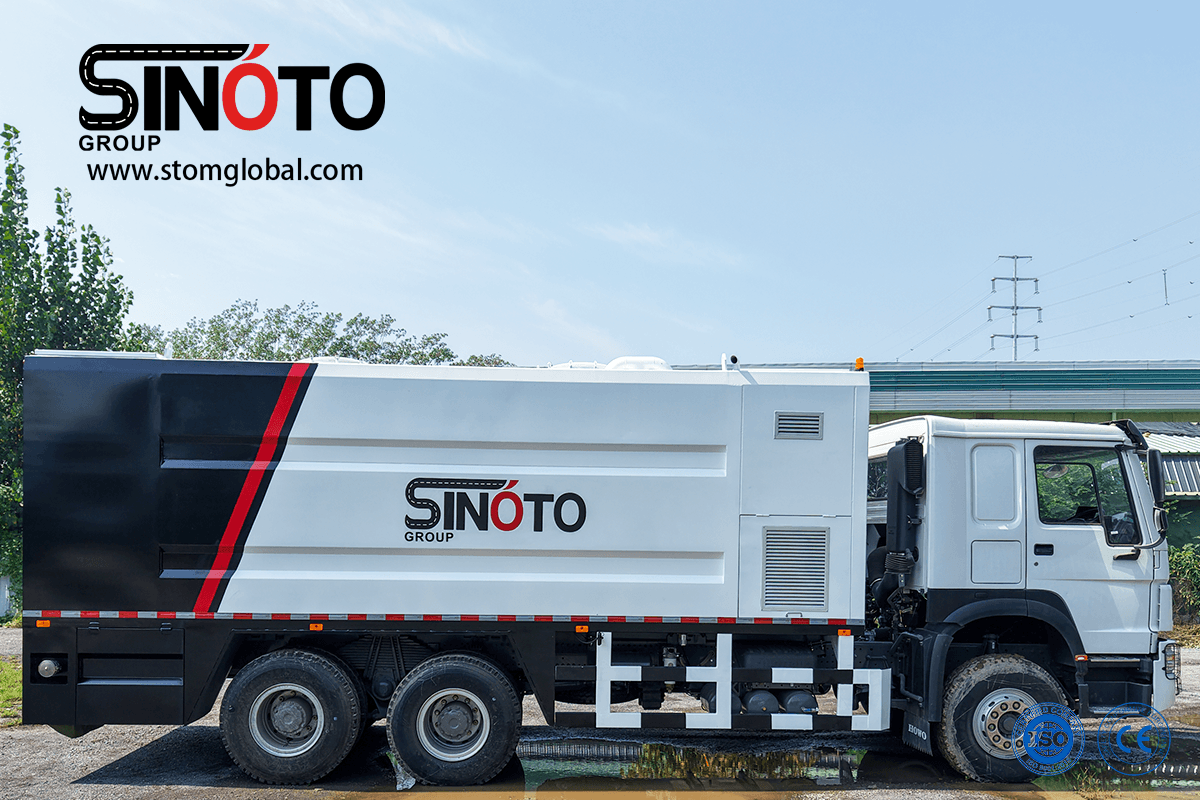 How Training Affects Cement Spreader Price and Long-Term Value
When comparing cement spreader price across suppliers, training and support should be part of the calculation, not an afterthought. A lower upfront cost means little if poor operation leads to material overuse, unplanned downtime, or premature wear on the hydraulic system. Proper onboarding — video tutorial plus hands-on instruction — protects the investment in three concrete ways:
Beyond spreading accuracy, training also covers upkeep. The machine’s bag-filter system and low-position discharge curtain are central to cement spreader dust control, and operators are shown how to inspect and clean these components regularly to keep emissions low on eco-sensitive job sites.
🔧 Routine checks operators are trained to perform:
Together, this training approach — video tutorial plus structured on-site instruction — is what separates a smoothly run cement spreader machine for sale from one that underperforms in the field.
Ready to bring a fully trained crew and a reliable cement spreader truck onto your next project? Request a Free Quote and Ask About Operator Training →
#CementSpreader #RoadConstruction #ConstructionEquipment #CementSpreaderTruck #SoilStabilization #HeavyMachinery

Whatsapp ID: 8619059581045

WeChat ID: +8619059581045

