For contractors bidding on highway, railway, or municipal earthwork projects, labor cost and crew safety are just as important as machine specifications. So when buyers evaluate a cement spreader, one of the first questions they ask is simple but critical: how many people does it actually take to run this machine on site? The short answer is one operator. Below, we break down why a single-driver design is possible, how the technology behind an automatic cement spreader works, and what else buyers should check before choosing a cement spreader truck for soil stabilization, road base, or cold recycling work.
🗣️ Buyer pain point: “We keep losing productivity because our old spreader needs a driver plus two ground workers just to keep the material even.” This is one of the most common complaints we hear from procurement managers — and it’s exactly the inefficiency modern cement spreader machines are engineered to eliminate.
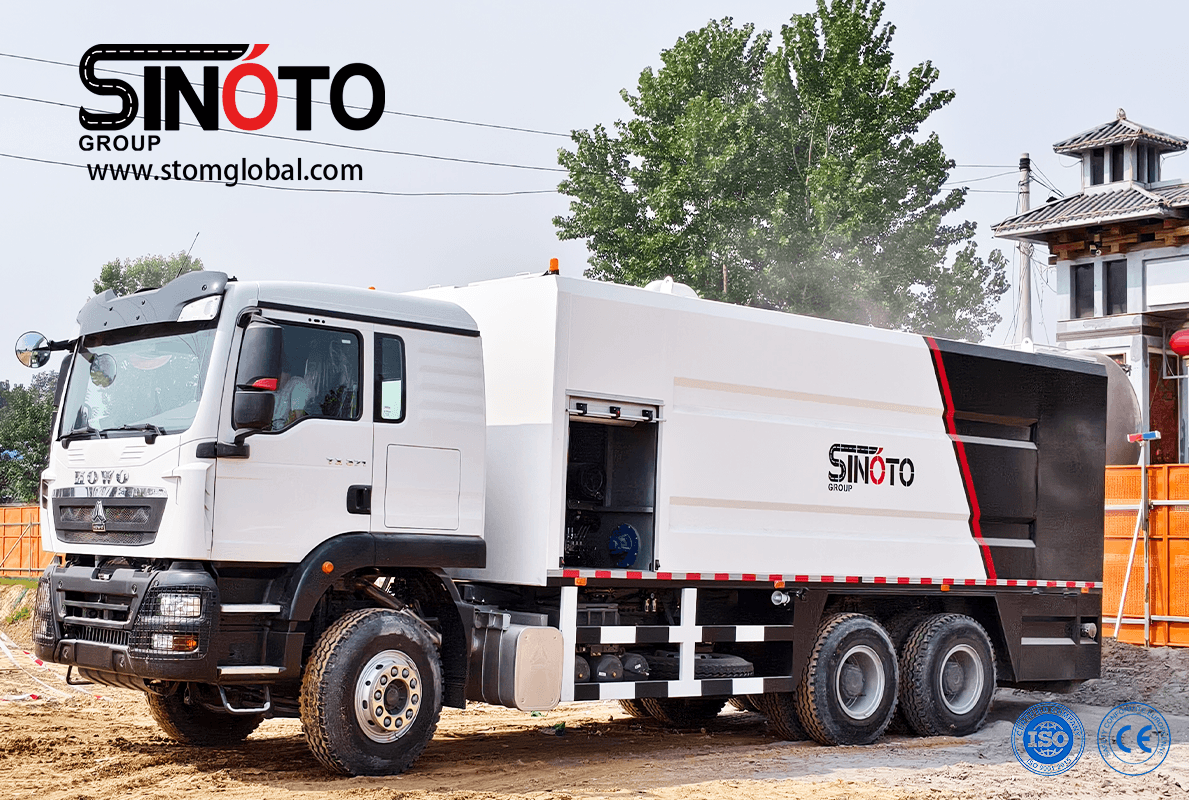 How Many Operators Are Required to Run a Cement Spreader Truck?
A modern cement spreader truck is designed for single-operator use. The entire construction process — loading, spreading-rate input, conveying, and discharge — is managed from the driver’s cabin through a fully automatic control system. There is no need for a second person to walk alongside the machine adjusting gates or monitoring flow, which used to be standard practice with older, manual cement powder spreader equipment.
ℹ️ Why one driver is enough:
This single-operator design directly reduces labor cost per project, shortens crew training time, and lowers the risk of workers being exposed to dust or moving machinery — a meaningful safety win on active road construction sites.
A cement spreading machine is specialized equipment used to uniformly distribute cement, lime, fly ash, or similar powdered materials across a construction surface. It’s typically paired with soil stabilizers and road rollers to build cement-stabilized crushed stone base courses or to improve subgrade soil before paving.
The core working principle is straightforward: powder is loaded into a sealed bin, moved by an internal conveyor system, and discharged through a calibrated opening at a controlled rate. On this model, the cement spreader features an 18 m³ cement bin capacity and a maximum spreading width of 2500 mm, with a spreading capacity ranging from 0.9 to 60 kg/m² — flexible enough for both light soil-improvement passes and heavier stabilization layers.
| Parameter | Specification |
|---|---|
| Cement Bins Capacity | 18 m³ |
| Max. Spreading Width | 2500 mm |
| Spreading Capacity | 0.9–60 kg/m² |
| Engine Power | 257 kW (350 hp) |
| Max. Speed | 80 km/h |
| Total Weight | 23 t |
| Spreading Accuracy | ±1% |
The difference between an automatic cement spreader and older manual methods comes down to precision and dust control. On this machine, the operator simply inputs the required kg/m² into the touchscreen, and the precise measurement system handles the rest — no recalibration needed between jobs, and the manufacturer states the system achieves a spreading accuracy of ±1%, virtually eliminating material waste.
Dust suppression is another major differentiator. Because loose cement, lime, and fly ash are hazardous to inhale and can drift onto surrounding property, this cement powder spreader is built with a bag-filter dust collector and a low-position discharge curtain that keeps material contained during spreading — an important detail for projects near residential areas or environmentally sensitive sites.
ℹ️ Key automation features at a glance:
A cement distributor truck is not limited to a single application. Its typical use cases include:
Because the same chassis and metering system can handle multiple powder types, contractors get a genuinely multi-purpose powder spreader truck rather than a single-use machine — useful for companies that rotate between stabilization, base-layer, and recycling contracts throughout the year.
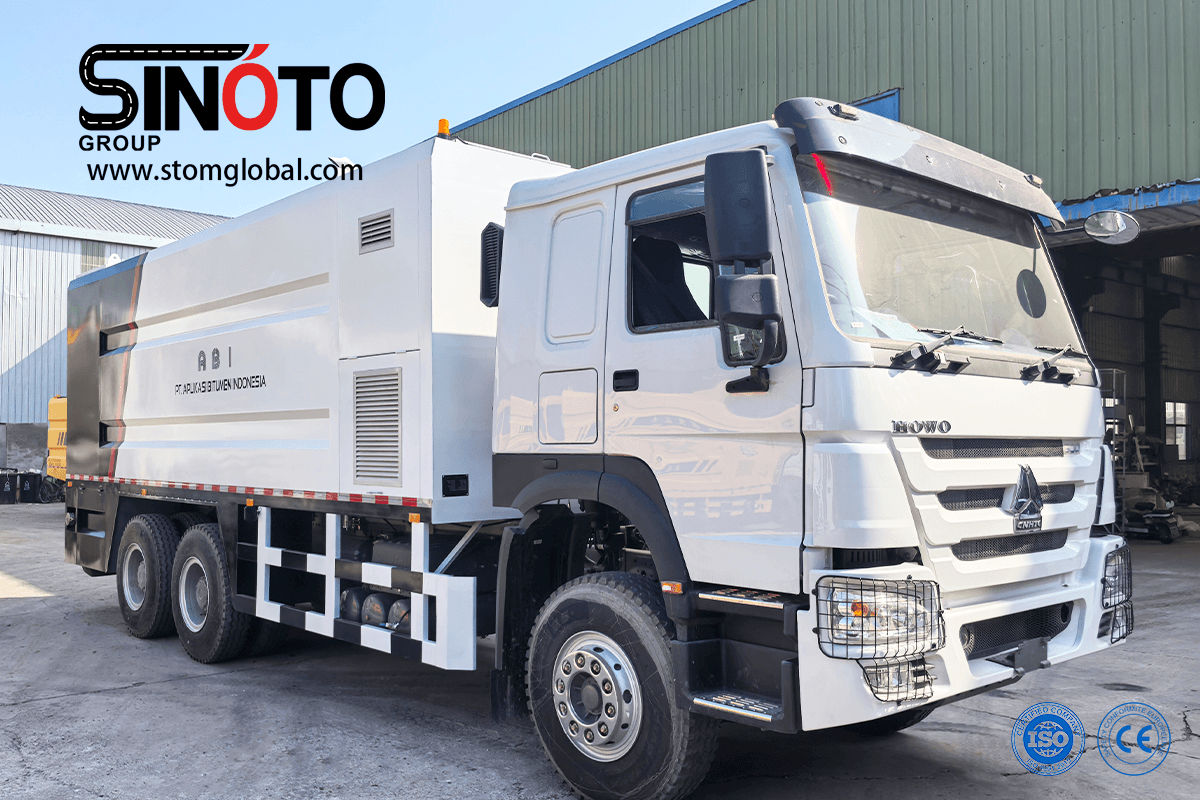
If you’re comparing options for a cement spreader machine for sale, a few checklist items matter more than headline numbers:
When you weigh these factors against cement spreader truck price, a machine that needs only one operator, holds ±1% spreading accuracy, and includes dust protection typically pays back its purchase premium quickly through lower labor and material-waste costs — something worth factoring in before comparing quotes purely on sticker price.
Ready to see detailed specs, chassis options, and current pricing for this cement spreader truck?
👉 Request a Free Quote from Our Engineering Team
#CementSpreader #SoilStabilization #RoadConstructionEquipment #CementSpreaderTruck #PowderSpreaderTruck #ConstructionMachinery

Whatsapp ID: 8619059581045

WeChat ID: +8619059581045

