Sourcing heavy road-construction equipment overseas always raises one question first: how long until the machine actually arrives on site? For buyers evaluating a cement spreader truck, delivery time sits alongside price and capacity as a top purchasing concern — a late machine can delay an entire subgrade or soil-stabilization schedule. This guide walks through realistic delivery timelines, the core selling points of an automatic cement spreader, and what to check before you commit to a cement spreader price.
For a standard cement spreader machine for sale built on a SinoTruck or Shacman chassis, production and export typically follow a predictable window once the order and specifications are confirmed.
📦 Typical timeline for a cement spreader truck shipping:
| Stage | Estimated Time |
|---|---|
| Order confirmation & deposit | 1–3 days |
| Chassis + tank fabrication | 25–35 days |
| Assembly, hydraulic & weighing system integration | 10–15 days |
| Factory testing & QC | 3–5 days |
| Port loading & sea freight | 20–40 days (destination dependent) |
“Buyers often underestimate that delivery time is driven less by the machine itself and more by chassis availability and port scheduling — confirming specs early is the single biggest lever for a faster lead time.”
Stock units (already assembled) can ship in as little as 7–10 days from deposit, while a fully customized cement spreader truck specifications build — different bin capacity, alternate chassis brand, or added dust-control features — generally needs 35–50 days before it even reaches the port. Buyers working to a fixed construction start date should request a written production schedule and a pre-shipment inspection report to avoid surprises.
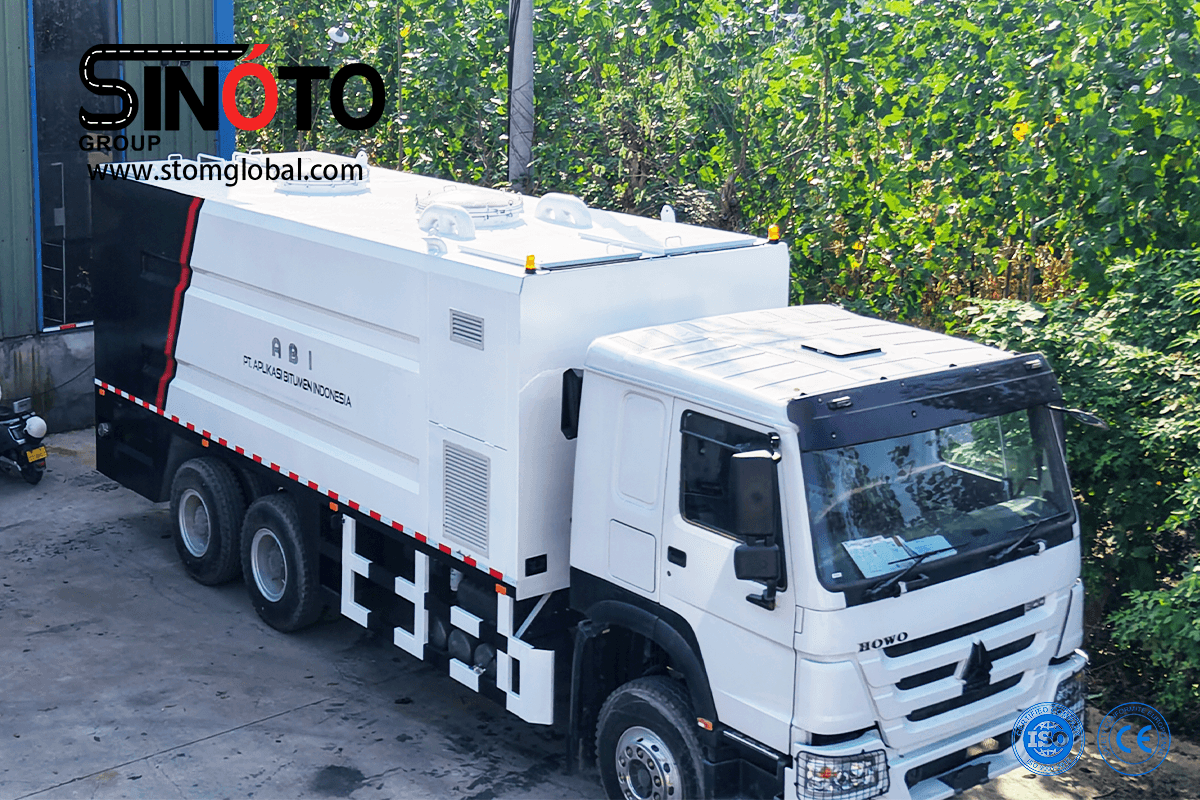
Beyond delivery, the real question is whether the machine performs once it’s on-site. An automatic cement spreader built with a computerized weighing system solves the two biggest complaints buyers have about older, manual spreading equipment: inconsistent dosage and material waste.
✅ Core selling points buyers consistently ask about:
This combination of precision and remote monitoring is what separates a genuinely automatic cement spreader from a basic mechanical cement powder spreader, and it’s usually the deciding factor for contractors bidding on highway or municipal subgrade contracts where material accounting matters.
Cement spreader price varies significantly based on tank capacity, chassis brand, and imported hydraulic components. A few factors buyers should factor into any quote comparison:
Because a cement spreader truck is a customized industrial vehicle rather than an off-the-shelf product, the safest way to compare cement spreader price across suppliers is to request a like-for-like quote using identical bin capacity, spreading width, and chassis specification.
Spreading width and bin capacity are the two specs that most directly affect project throughput, which is why they dominate buyer inquiries for any cement distributor truck.
A common configuration pairs an 18 m³ cement bin with a maximum cement spreader spreading width of 2500 mm, delivering a spreading capacity range of roughly 0.9–60 kg/m² — wide enough to cover a standard highway lane in a single pass while still allowing fine control for lighter stabilization applications. Total vehicle weight around 23 tons and a curb weight near 15 tons keep the unit road-legal in most jurisdictions without special permitting.
Buyers working on narrower municipal roads or tighter soil-improvement sites may prefer a smaller tank and reduced spreading width, while highway subgrade contractors generally favor the larger 18–25 m³ range to minimize reloading downtime. Matching capacity to your typical daily coverage area — rather than simply buying the biggest available cement powder spreader — is usually the better cost-per-square-meter decision.
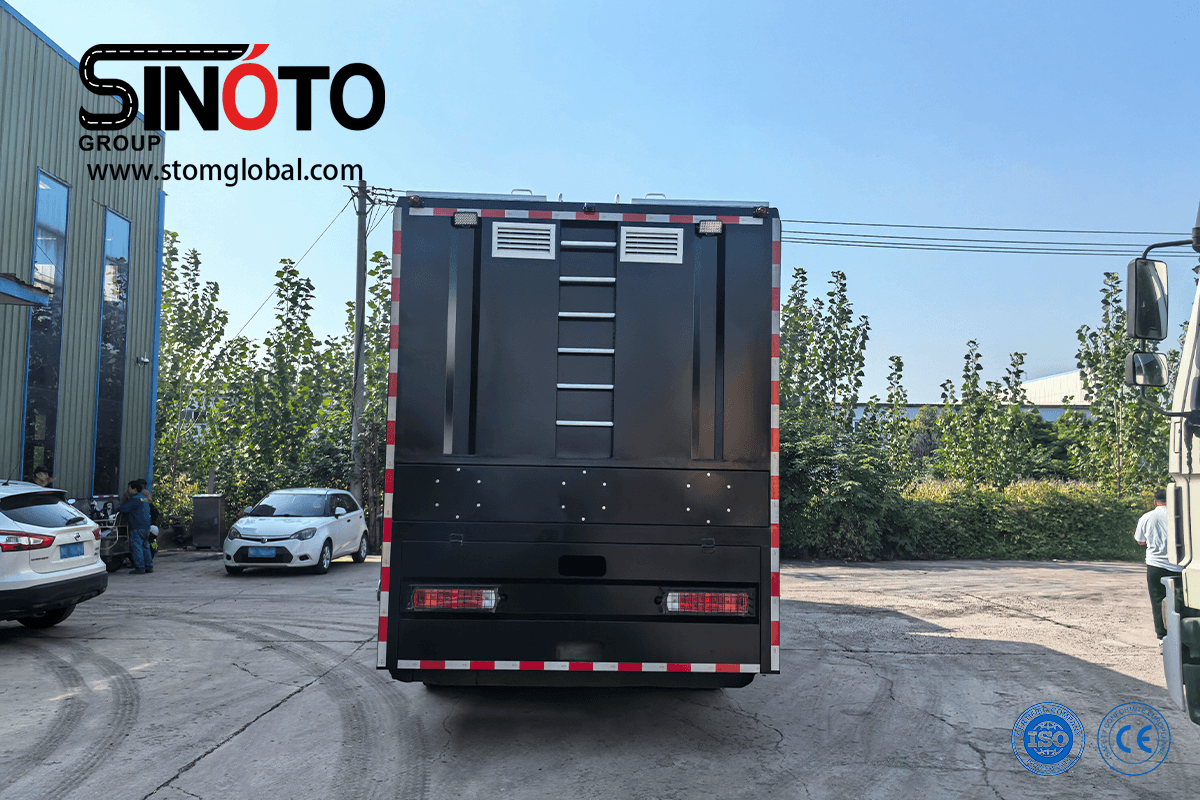
Reliable long-term operation depends on a few recurring maintenance checks that buyers should ask suppliers about before finalizing a purchase.
A supplier that offers full technical support after delivery — not just at the point of sale — is generally a stronger long-term partner than one offering only a lower cement spreader price with no aftersales structure.
If you’re evaluating a cement spreader truck for an upcoming road, subgrade, or soil-stabilization project, getting an accurate delivery estimate and price quote starts with sharing your project specs. Request a Free Quote and Delivery Timeline →
#CementSpreader #CementSpreaderTruck #RoadConstructionEquipment #SoilStabilization #AsphaltMachinery #CementDistributorTruck

Whatsapp ID: 8619059581045

WeChat ID: +8619059581045

