 When engineering teams shop for a cement spreader truck, one question comes up almost every time: can this machine actually be adapted to my site conditions, my material, and my budget? The short answer is yes — but the details of “how” and “how much” are what separate a good purchase from a costly mismatch. Below, we break down the buyer concerns that matter most, the real customization options available on a modern cement spreading machine, and why this equipment has become a go-to solution for soil stabilization, road base construction, and powder-material handling worldwide.
Not every cement powder spreader on the market is built the same way. A basic unit simply drops material onto the ground; a precision automatic cement spreader actively manages flow, weight, and width to guarantee uniform coverage.
Key differentiators include:
“By inputting the required kg/m² into the touch screen, the system manages the rest, ensuring zero material waste.” — this single-driver operation is one reason contractors favor the automatic cement spreader over manual alternatives.
These features matter because they directly affect labor cost, material waste, and compliance with environmental regulations on job sites — three of the biggest concerns buyers raise before purchasing a cement spreader truck price quote.
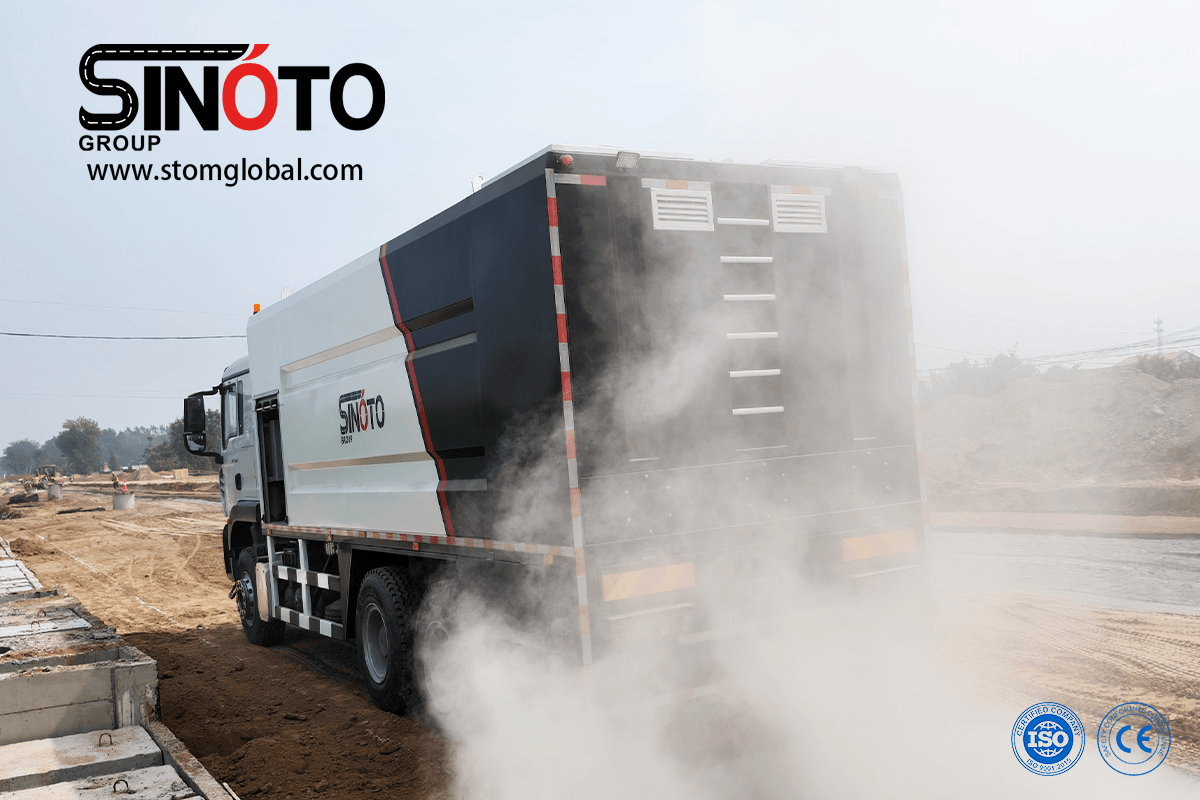
This is the central question for most buyers, and the answer depends on three variables: chassis, tank capacity, and application.
Chassis and drive configuration. The cement distributor truck platform is typically built on brands such as SinoTruck or Shacman, and can be configured for either left-hand or right-hand driving to match import regulations in different countries.
Bin capacity and spreading width. While a standard configuration uses an 18 m³ bin with a 2500mm spreading width, tank volumes are generally available from 15 m³ up to 25 m³, letting buyers scale the machine to project size — from municipal road patching to large highway subgrade works.
Application-specific tuning. Because the spreading capacity range (0.9–60 kg/m²) is software-controlled rather than fixed, the same cement spreading machine can be reprogrammed for different materials, including:
This flexibility is exactly why the machine is marketed not just as a cement spreader for sale, but as general-purpose soil stabilization equipment and a road base cement spreader capable of handling multiple powder types with a single chassis investment.
Buyers evaluating a cement spreader machine for sale are usually comparing total cost of ownership, not just sticker price. Accuracy and automation are what drive long-term savings.
| Parameter | Specification |
|---|---|
| Model | HTN5251TFS |
| Chassis Brand | SinoTruck / Shacman |
| Engine Power | 257 kW (350 hp) |
| Emission Standard | Euro V |
| Auxiliary Engine | 74 kW |
| Cement Bin Capacity | 18 m³ |
| Spreading Capacity | 0.9–60 kg/m² |
| Max. Spreading Width | 2500 mm |
| Curb Weight / Total Weight | 15 t / 23 t |
| Overall Size (L×W×H) | 9500 × 2500 × 4100 mm |
Because the metering system is digital and pre-programmed, the cement spreader truck price is often justified by reduced material overuse alone — a ±1% spreading accuracy means less cement wasted per kilometer of road compared with manual or semi-manual powder spreader truck units.
Core components sourced from established suppliers — DANFOSS hydraulic pumps and valves, YUCHAI auxiliary engines, and AirTac pneumatic components — also mean fewer unplanned maintenance stops, which matters for fleet operators running a cement spreader truck across multiple job sites per season.
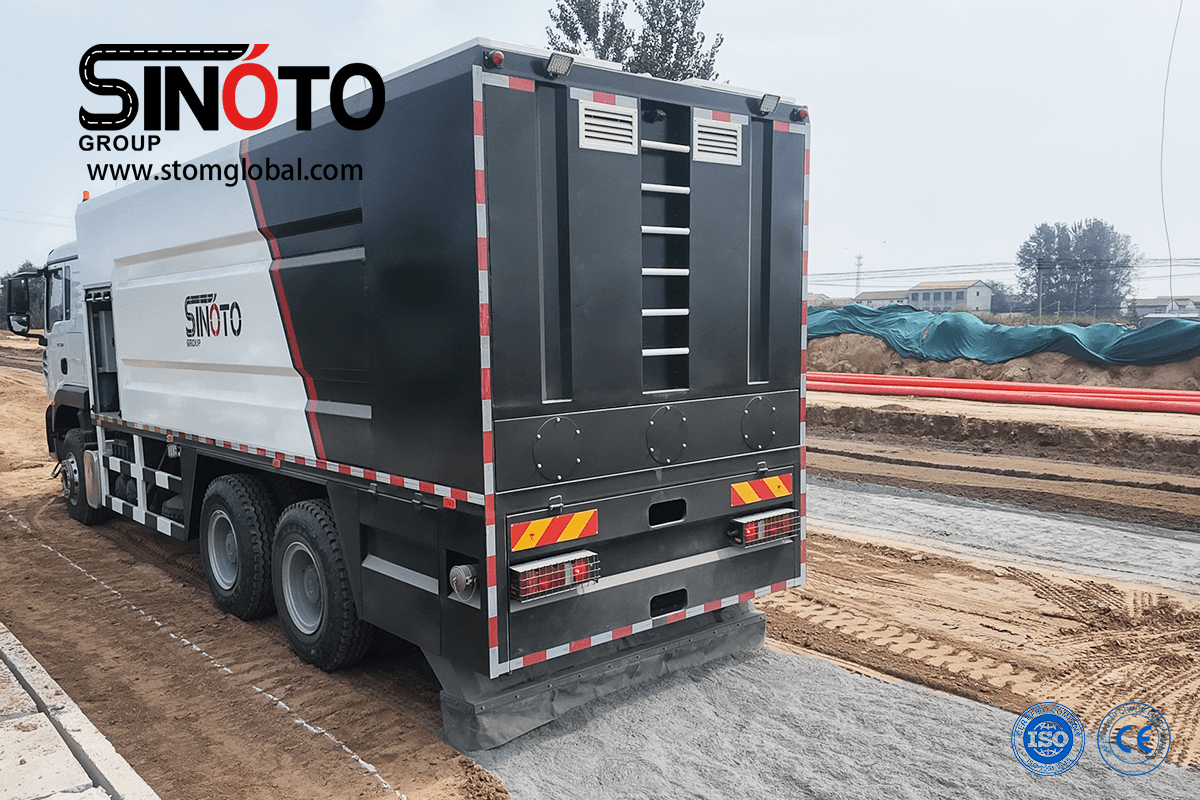
A common misconception is that this equipment is only for cement. In practice, the cement powder spreader platform serves several road and infrastructure use cases:
Because the same road construction cement spreader can switch between these materials and tasks, contractors often list it as one machine that replaces two or three single-purpose units — a major factor when comparing a cement spreader truck price against buying separate lime and fly ash spreaders.
For most road-building and soil-stabilization contractors, the answer comes down to utilization. A single-driver, fully automatic cement distributor truck that can be reconfigured for lime, fly ash, or cold-recycling cement spreading reduces both labor and equipment redundancy. Combined with a dust-controlled, weighed, and remotely monitored spreading process, it addresses the three concerns buyers raise most often: accuracy, environmental compliance, and total fleet cost.
If your project needs a specific bin size, chassis type, or spreading profile, most manufacturers — including this one — will confirm exact customization options and lead times once they know your target application.
Ready to get exact specifications and a quote tailored to your project? Request a Free Quote for Your Custom Cement Spreader Truck →
#CementSpreader #SoilStabilization #RoadConstructionEquipment #CementSpreaderTruck #ConstructionMachinery #RoadBaseConstruction

Whatsapp ID: 8619059581045

WeChat ID: +8619059581045

