Yes — a modern cement spreader truck is fully compatible with bulk cement tanker loading. In fact, most professional-grade cement distributor truck models on the market today are purpose-built with a dedicated loading port that connects directly to a pneumatic bulk tanker, allowing operators to fill the material bin without manual bagging, without exposure to airborne dust, and without interrupting the construction schedule. This single design detail is one of the biggest buyer concerns when comparing a cement spreading machine for large-scale infrastructure work, because slow or messy loading can stall an entire paving crew.
Below, we break down exactly how this loading process works, why it matters for soil stabilization and road base projects, and what else buyers should evaluate before purchasing.
An automatic cement spreader is engineered with two loading paths: a dedicated top-mounted loading port designed to mate with the discharge hose of a bulk cement tanker, and a secondary manhole for manual or bagged material addition. When a bulk tanker pulls alongside the unit, cement is pneumatically transferred straight into the sealed bin — no open shoveling, no clouds of powder drifting across the site.
ℹ️ Quick Fact: Because the bin is a closed pressure-rated vessel with a bag-filter dust collection system, tanker loading can be completed in minutes rather than the hour or more typically needed for manual bag loading.
Inside the bin, an anti-bridge vibration mechanism and a patented arch-breaking device keep the cement flowing freely, preventing lumps or blockages from forming after a bulk fill — a common complaint with older, non-automatic powder spreader truck designs.
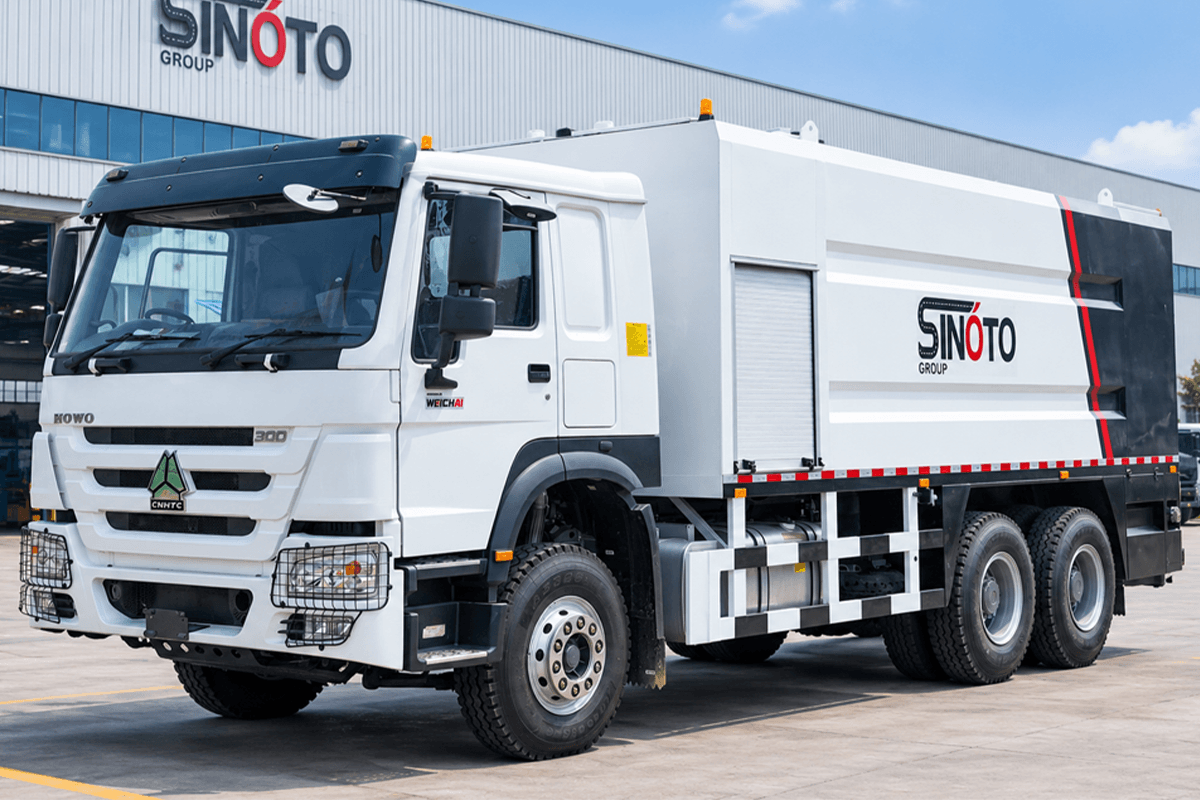
Once loaded, the real value of an automatic soil stabilization cement spreader shows up in the field. A fully automatic control system meters the exact dosage — the spreading amount does not change with vehicle speed, which is critical for consistent soil stabilization equipment performance across uneven terrain or varying travel speeds.
Operators simply input the target dosage (kg/m²) into the touch-screen controller, and the metering system — no calibration required — manages the rest. Combined with a weighing system rated at ±1% accuracy, this ensures zero material waste, a major cost consideration for contractors bidding on large subgrade or base-course tenders.
“The biggest question our clients ask before buying isn’t the price — it’s whether the machine can be filled from a bulk tanker on-site and whether the dosage stays accurate at different speeds. Both are standard on our current cement spreader models.”
Environmental compliance is now a purchasing requirement on many public tenders, and a road base cement spreader without proper dust control can fail site inspections outright. A well-designed cement powder spreader uses a bag-filter system paired with a low-position discharge curtain, keeping fine cement particles contained at ground level instead of drifting downwind toward workers or nearby communities.
This dust-free design also protects the tanker-loading process itself: since the bin remains sealed during both filling and discharge, operators loading from a bulk tanker are not exposed to the airborne particulate that plagues open-hopper alternatives. For any road construction cement spreader working near urban areas, schools, or environmentally sensitive zones, this feature is often non-negotiable.
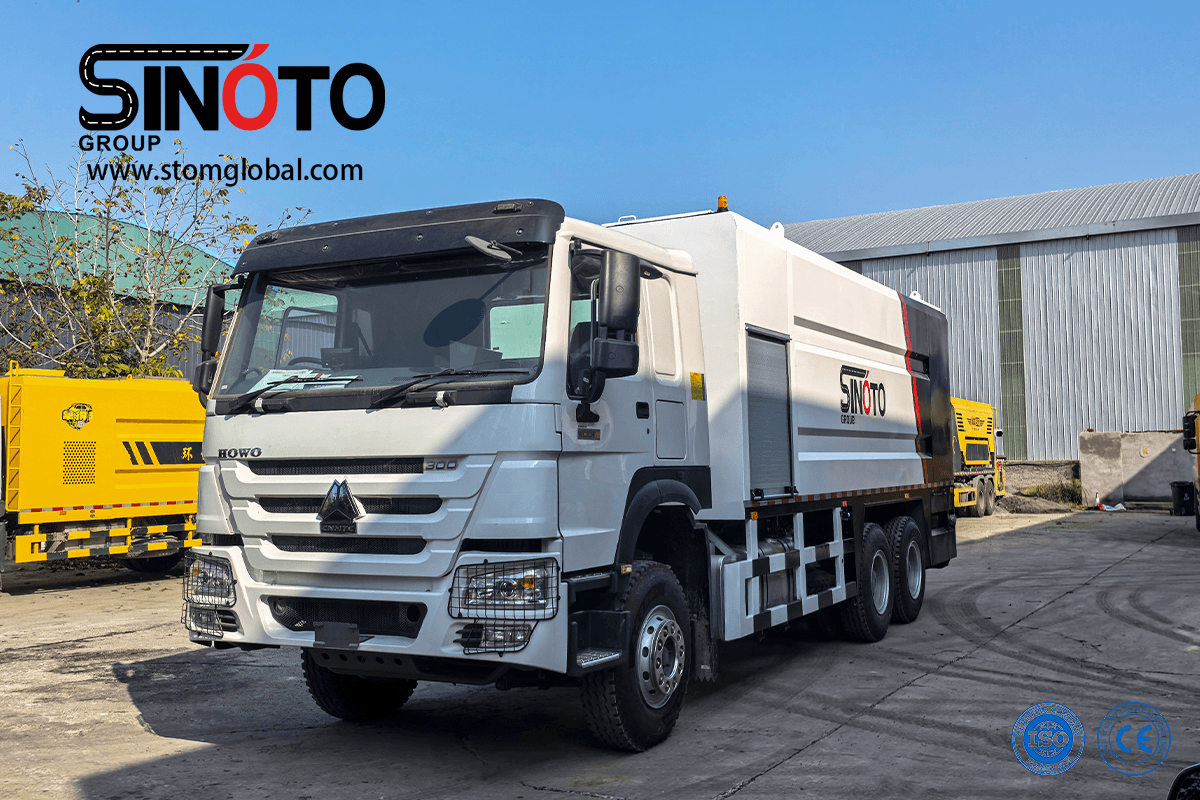
A tanker-loadable cement spreading machine is rarely limited to cement alone. The same sealed-bin, pneumatic-loading architecture works equally well as a lime spreader truck or fly ash spreader, since these powdered materials share similar flow and density characteristics. This versatility matters for contractors who rotate between different soil-improvement binders depending on the specification.
The equipment is also commonly deployed for cold recycling cement spreader applications, where cement is spread ahead of a recycling train to stabilize reclaimed asphalt or aggregate in place. Because the dosage system is speed-independent and precisely metered, the same unit that handles a tanker-filled cement job on Monday can switch to lime or fly ash spreading later in the week with minimal reconfiguration.
When comparing a cement spreader machine for sale, tanker-loading compatibility should be checked alongside core specifications like bin capacity, spreading width, and chassis power — these directly affect both the cement spreader truck price and daily productivity. Below is a representative technical profile for a mid-to-large capacity unit:
| Item | Specification |
|---|---|
| Cement Bin Capacity | 18 m³ (15–25 m³ range available) |
| Max. Spreading Width | 2,500 mm |
| Spreading Capacity | 0.9–60 kg/m² |
| Chassis Options | SinoTruck / Shacman |
| Main Engine Power | 257 kW (350 hp), Euro V |
| Auxiliary Engine | 74 kW, Euro III |
| Weighing Accuracy | ±1% |
| Curb / Total Weight | 15 t / 23 t |
ℹ️ Buyer Tip: Ask suppliers whether the weighing and metering system requires field calibration after tanker loading. Systems that skip this step (input parameters only) save significant setup time on multi-site projects.
For contractors comparing a cement spreader for sale against a fixed budget, it’s also worth confirming remote diagnostics support — many current models include a vehicle networking platform that streams construction parameters to a driver’s cabin display and a connected mobile app, adding long-term value beyond the base cement spreader truck price.
 Ready to Confirm Tanker Compatibility for Your Project?
Bulk tanker loading, dust-free operation, and automatic dosage control together make a modern cement distributor truck a practical choice for highway, railway, and municipal subgrade work. If you’re evaluating equipment for an upcoming soil stabilization or road base project, Request a Free Quote and Technical Consultation →
#CementSpreader #SoilStabilization #RoadConstruction #ConstructionEquipment #HeavyMachinery #RoadBaseEquipment

Whatsapp ID: 8619059581045

WeChat ID: +8619059581045

